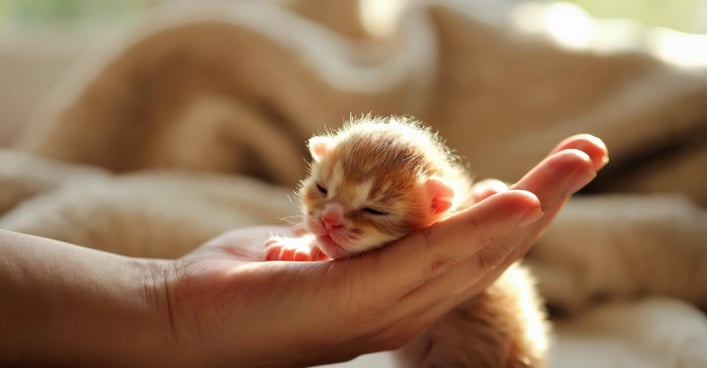
Newborn Kitten Care: The Complete Guide for Orphaned Kittens (2026)
A comprehensive, step-by-step guide to caring for orphaned newborn kittens. Learn essential feeding, temperature regulation, and health monitoring to give them the best chance at survival.
Partager cette page
Newborn Kitten Care: The Complete Guide for Orphaned Kittens (2026)
Caring for orphaned newborn kittens is one of the most challenging yet profoundly rewarding experiences in animal care. Whether you've found abandoned kittens, are fostering for a shelter, or supporting a mother cat who needs help, understanding proper neonatal care is critical for their survival. This comprehensive guide provides everything you need to know to care for kittens from birth through their critical first weeks of life.
Warm Water Bottle: Wrap securely in towels and check temperature frequently.
Commercial Incubator: Ideal for multiple kittens or professional settings.
Critical Safety Rules:
NEVER place a kitten directly on an unshielded heating pad.
Always provide an unheated area in the nest so kittens can move away from the heat.
Check temperatures with a thermometer multiple times daily.
Watch for signs of overheating: panting, restlessness, spreading out.
Creating a Warmth Gradient:
Place the heat source on one side of the nesting box.
Leave the opposite side cooler and uncovered.
Kittens will naturally self-regulate by moving.
Ensure all kittens are warm and not piled only on the cold side.
Stimulation and Elimination
Why Stimulation is Non-Negotiable
Newborn kittens cannot urinate or defecate on their own. The mother cat stimulates elimination by licking. Without this stimulation, kittens will die from toxin buildup within days.
How to Stimulate Properly:
Use a warm, damp washcloth, cotton ball, or soft paper towel.
Gently rub the genital and anal area in a small circular motion.
Use soft, quick strokes to mimic a mother cat's tongue.
Continue until the kitten has fully eliminated.
Clean the kitten thoroughly with a dry cloth and ensure they are completely dry.
Frequency:
Before every feeding (to empty the bladder for milk intake).
After every feeding (to process the new milk).
They may produce only urine or stool each time; both should occur regularly throughout the day.
Normal Elimination Patterns
Urine:
Should be clear to pale yellow.
A healthy kitten will urinate at every stimulation session.
Dark yellow or strong-smelling urine indicates dehydration.
Stool:
Color should be yellow to tan.
Consistency like toothpaste—soft but formed.
Should occur at least once daily; 1-4 times is normal.
Warning Signs Requiring Action:
No stool production for 24+ hours
Watery diarrhea
Visible blood in stool or urine
Straining without producing anything
Green or black stool (can indicate serious illness)
Health Monitoring: Your Daily Checklist
Daily Weight Tracking: The Ultimate Health Indicator
Why It Matters:
Weight is the most reliable sign of health and adequate nutrition.
Kittens should gain approximately ½ ounce (10-15 grams) per day.
Any weight loss is a medical emergency.
Proper Weighing Protocol:
Weigh at the same time each day, ideally before the first morning feeding.
Use a digital scale that measures in grams for accuracy.
Record the weight immediately in a dedicated log.
Alert your veterinarian to any loss or failure to gain.
Expected Weight Milestones:
Age
Expected Weight
Birth
3-4 oz (85-115g)
1 Week
7-8 oz (200-225g)
2 Weeks
10-12 oz (280-340g)
3 Weeks
12-14 oz (340-400g)
4 Weeks
14-16 oz (400-450g)
Daily & Weekly Health Checklist
Daily Observations:
Consistent weight gain
Strong appetite at each feeding
Normal urination and defecation
Periods of activity/sleep between feedings
Body feels warm to the touch
No discharge from eyes or nose
Skin is elastic (pinch test snaps back quickly)
Weekly Development Checks:
Weight is on track for age
Eyes are opening on schedule (7-14 days)
Umbilical cord is dried and has fallen off
No redness, swelling, or odor at the navel (signs of infection)
Fur is clean, fluffy, and free of crusts
Common Health Problems in Neonates
Hypothermia:
Signs: Cold to touch, lethargic, weak or absent cry, refuses to eat.
Treatment: Warm gradually over 30-60 minutes using body heat or a warm towel. Never feed a cold kitten.
Prevention: Meticulous temperature control in the environment.
You can free-feed dry kibble if they are not overeating.
Always provide a separate bowl of fresh, clean water.
Monitor body condition to prevent obesity.
Socialization and Behavioral Development
The Critical Socialization Window (3-7 Weeks)
This period permanently shapes a kitten's future temperament, confidence, and behavior.
Daily Handling Protocol:
Handle each kitten gently multiple times a day.
Introduce them to different people (ages, genders, voices).
Acclimate them to various positions: being held, cradled on their back, etc.
Gently touch paws, ears, mouth, and belly to prepare for future grooming and vet exams.
Environmental Enrichment:
Introduce varied textures: different blankets, carpet, towels.
Provide safe, supervised toys (small, soft, no loose parts).
Expose to common household sounds: TV, radio, vacuum (at low volume initially).
Allow supervised and calm introductions to other friendly, vaccinated pets.
Litter Box Training:
Introduce a shallow litter pan at 3 weeks of age.
Use only non-clumping, kitten-safe litter (clumping litter is dangerous if ingested).
Place kittens in the box after meals and naps.
Their natural instinct to dig and bury is strong; most learn quickly.
When to Call the Veterinarian
EMERGENCY Situations (Seek Immediate Care)
Not eating for more than one scheduled feeding
Any weight loss or failure to gain for 24 hours
Severe, watery diarrhea or no stool for 24+ hours
Difficulty breathing, gasping, or open-mouth breathing
Extreme lethargy or unresponsiveness
Persistent, painful crying
Pale, white, or blue gums
Bloated, hard, or painful abdomen
Rectal temperature below 95°F (35°C) or above 103°F (39.5°C)
Urgent Situations (Schedule a Same-Day Appointment)
Mild diarrhea lasting more than 24 hours
Eye discharge, swelling, or eyes sealed shut
Nasal discharge or frequent sneezing
Visible skin lesions, fleas, or other parasites
Abnormal vocalization or signs of pain
Not eliminating regularly despite stimulation
Routine Veterinary Care Timeline
First Wellness Visit (4-5 Weeks Old):
Comprehensive physical examination
Fecal test to check for intestinal parasites (roundworms, coccidia, etc.)
Begin a veterinarian-approved deworming protocol
Discuss vaccination schedule and overall wellness plan
Standard Vaccination Schedule:
6-8 weeks: First FVRCP vaccine (Feline Viral Rhinotracheitis, Calicivirus, Panleukopenia)
10-12 weeks: Second FVRCP vaccine, first FeLV (Feline Leukemia Virus) vaccine if at risk
14-16 weeks: Third FVRCP vaccine, second FeLV vaccine, Rabies vaccine (as per local law)
Long-Term Planning: Finding Forever Homes
Adoption Timeline
Earliest Possible: 8 weeks old, but only if going with a littermate.
Ideal Minimum: 10-12 weeks old for better socialization and independence.
Optimal: 12-16 weeks old. Kittens are fully weaned, socialized, and have received initial vaccines.
Preparing Kittens for Adoption:
Complete initial veterinary care (deworming, first vaccines).
Ensure they are reliably litter box trained.
Confirm they are eating solid food and drinking water independently.
Socialize them well to humans and handling.
Spay/neuter if they meet the minimum age and weight requirements (typically 8+ weeks and 2+ lbs).
Screening Potential Adopters:
Require a commitment to indoor-only living.
Assess financial capability for lifelong care (food, vet bills).
Ask for a veterinary reference if they have other pets.
Have a clear, written policy against declawing.
Include a return clause in the adoption agreement, requiring the kitten be returned to you if they cannot keep it.
The Emotional Aspect of Kitten Care
Managing Realistic Expectations
A Necessary Reality Check:
Despite perfect care, not all orphaned kittens will survive.
Neonatal mortality rates of 15-40% are reported even by experienced breeders and shelters.
Some losses are due to congenital issues or fading kitten syndrome and are unavoidable.
Your role is to give each kitten the absolute best chance possible.
When to Seek Support:
Feeling overwhelmed or constantly anxious.
Multiple kittens showing signs of decline.
Unsure about a medical or care decision.
Experiencing emotional burnout or compassion fatigue.
Self-Care for the Caregiver
Accept offers of help for feeding shifts or supplies.
Schedule breaks and arrange for backup feeders.
Prioritize your own sleep when the schedule allows.
Connect with online or local foster support groups.
Celebrate every milestone: first weight gain, eyes opening, first successful meal from a bowl.
Summary & Quick-Reference Checklists
Daily Care Checklist
Weigh all kittens and record weights.
Feed on strict schedule with warmed KMR.
Stimulate for elimination before & after each feeding.
Clean kittens and ensure they are completely dry.
Check and adjust environmental temperature.
Change soiled bedding immediately.
Monitor closely for any signs of illness.
Log all observations, feedings, and eliminations.
Emergency Preparedness Kit
Contact info for a 24-hour emergency vet clinic.
Backup supply of KMR and feeding supplies.
Backup heating source (e.g., Snuggle Safe, hot water bottle).
Identified support person who can assist in a crisis.
Financial plan or resources for unexpected vet costs.
Raising orphaned kittens is a demanding but profoundly rewarding journey. With meticulous care, unwavering attention to detail, and a swift response to problems, you can guide these vulnerable lives toward a healthy and happy future. Your most important rule: When in doubt, call your veterinarian. Early intervention is always better than waiting.
Last Updated: 2026 Disclaimer: This guide is for informational purposes only and is not a substitute for professional veterinary medical advice, diagnosis, or treatment. Always consult with a licensed veterinarian regarding the health and care of your animals.
Obtenez des conseils alimentés par l'IA sur la santé et les soins de votre chat. Entrez les informations de votre chat et commencez une conversation avec notre assistant vétérinaire.
Obtenez des conseils d'expert sur les soins aux chats, le comportement, la nutrition, le toilettage et l'entraînement. Posez n'importe quelle question à notre expert en soins pour chats et recevez des conseils professionnels.