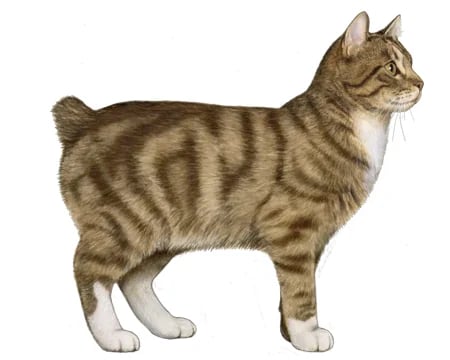
The Manx cat is a breed of domestic cat originating on the Isle of Man, with a naturally occurring mutation that shortens the tail.
Article
The Manx cat is famous for its lack of a tail, but did you know they are one of the most dog-like cat breeds? Explore the history, playful temperament, and unique health needs of this intelligent Isle of Man native.
With its distinctive silhouette and rabbit-like hop, the Manx cat is a breed shrouded in folklore and fascination. Hailing from the Isle of Man, this tailless feline is far more than just a unique look; it is a highly intelligent, affectionate, and surprisingly agile companion that forms deep bonds with its family. Whether you are drawn to their history or their famous "rumpy" tail, the Manx offers a unique personality that often draws comparisons to dog-like loyalty.
History & Origins of the Manx Cat
The Manx cat's story is intrinsically linked to the Isle of Man, a small island in the Irish Sea. Their defining taillessness is the result of a spontaneous, natural genetic mutation that became common within the isolated island population. Folklore abounds, from tales of the cat being the last animal to board Noah's Ark and having its tail caught in the door, to being a cross between a cat and a rabbit.
In reality, the breed developed naturally over centuries. The gene responsible for the taillessness is dominant, and Manx cats exhibit a range of tail lengths:
Breed Details
Property
Value
ID
c45afc2b-2575-47f5-86a8-5dc85013fae0
Name
Manx
Origin
Isle of Man
Temperament
Easy Going, Intelligent, Loyal, Social, Trainable
Life Span
12-16
Weight
3.5-5.5 kg
Length
35-40 cm
Coat Length
Short
Coat Colors
All colors and patterns
Eye Colors
Gold, Copper, Green, Blue
Hypoallergenic
No
Shedding Level
3/5
Grooming Needs
2/5
Exercise Needs
3/5
Affection Level
4/5
Friendliness
4/5
Kid Friendly
5/5
Pet Friendly
4/5
Playfulness
4/5
Energy Level
3/5
Intelligence
5/5
Vocalization Level
Tags
Manx cat breedtailless cat breedsIsle of Man catManx syndrome symptomsdog-like cat breedsrumpy cat meaning
Rumpy: Completely tailless (the most prized for show).
Rumpy-riser: A small knob of bone at the end of the spine.
Stumpy: A short, movable stump.
Longy: A nearly complete or full tail.
They were among the first breeds showcased at early cat shows in the late 19th century and remain a favorite among feline enthusiasts today, recognized for their unique Manx cat personality.
Physical Characteristics
The most obvious feature of the Manx is its absent or short tail. They have a solid, muscular, and "cobby" body with a broad chest and a rounded rump. Their hind legs are noticeably longer than their front legs, giving them a distinctive, powerful hop when they run—similar to a rabbit.
Typically weighing between 3.5 and 5.5 kg, the Manx sports a dense double coat that can come in almost all colors and patterns, including solid, tabby, tortoiseshell, and calico. Their large, round eyes can be gold, copper, green, or blue, contributing to their sweet, expressive face.
Temperament & Personality: The Dog-Like Cat Breed
Don't let their sometimes solemn expression fool you—the Manx is a delightful blend of dog-like loyalty and feline grace. Known for their high intelligence, they are highly trainable; many Manx owners report their cats learning to fetch, walk on a harness, and even open doors.
Their affection levels make them devoted family members. They are exceptionally kid-friendly and generally get along well with other pets, including dogs. While they are playful and enjoy interactive games, they are not a vocal breed, often communicating with gentle, melodic chirps and trills rather than loud meows.
Manx Cat Care Requirements
Their dense double coat has a moderate shedding level but is relatively easy to maintain. Weekly brushing is usually sufficient to remove loose hair and distribute skin oils.
Because they are so smart, they require regular interactive play sessions and puzzle toys to stay mentally stimulated. It is vital to handle their rump area gently, as the lack of a tail means the nerve endings near the base of the spine can be more sensitive than in other breeds.
Health Considerations: Understanding Manx Syndrome
The Manx breed is generally healthy with a typical lifespan of 12–16 years, but prospective owners must be aware of Manx syndrome. This condition is linked to the tailless gene and can cause spinal defects, spina bifida, and problems with the bowels or bladder.
Reputable breeders carefully screen for these issues and typically will not let kittens go to new homes until they are 4 months old to ensure no developmental problems arise. Other potential health issues include corneal dystrophy and digestive sensitivities.
Is the Manx Cat Right for You?
The Manx is an ideal pet for families, singles, and seniors seeking an interactive, loving companion. Their adaptable nature makes them suitable for various living situations, from apartments to large houses. If you are looking for a quiet, loyal, and playful companion with a unique history and a one-of-a-kind silhouette, the tailless wonder from the Isle of Man could be your perfect match.
The Manx cat is a captivating paradox: a tailless feline with a whole lot of heart. Beyond the legend and the distinctive hop lies a companion of remarkable intelligence, steadfast loyalty, and gentle charm. By understanding and respecting their unique genetic heritage and care needs, you can welcome a truly special and loving member into your home.
2/5
Health Issues
Prone to Manx syndrome (spinal defects), corneal dystrophy, and digestion issues. Rump area can be sensitive.
Get expert advice about cat care, behavior, nutrition, grooming, and training. Ask our AI cat care expert anything about your cat and receive professional guidance.