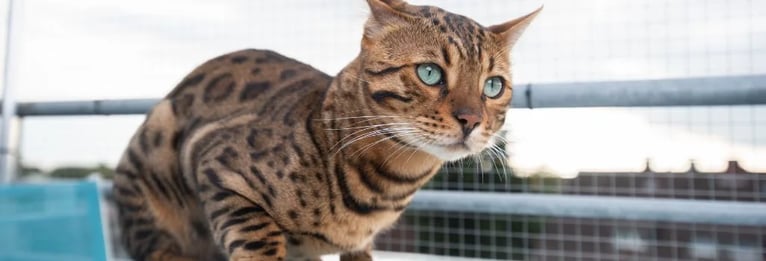
The Bengal cat is a domesticated cat breed created from hybrids of domestic cats and the Asian leopard cat. Bengals have a wild appearance with large spots, rosettes, and a light/white belly.
Article
Discover the Bengal cat, an extraordinary breed with the exotic look of a leopard and the affectionate heart of a house cat. Learn about their care, personality, and why they are the ultimate active companion.
With a coat that mimics the dappled sunlight of a jungle floor and the athletic grace of its wild ancestors, the Bengal cat is a living work of art. Far more than just a beautiful pet, this breed combines an exotic appearance with a dynamic, dog-like personality, offering a feline experience that is both visually breathtaking and endlessly entertaining. If you are looking for the perfect fusion of untamed wilderness and devoted domestic companionship, the Bengal cat stands in a league of its own.
History and Origin of the Bengal Breed
The Bengal's story begins not in the dense jungles of Asia but in the United States, born from a visionary breeding program. In the 1960s and '70s, geneticist Jean Mill pioneered the effort to create a domestic cat with the stunning physical markings of the wild Asian leopard cat. The goal was to preserve the leopard cat's beautiful coat patterns in a safe, friendly, and domesticated feline. Through careful, selective breeding with domestic shorthairs, the Bengal breed was established and officially recognized by The International Cat Association (TICA) in the 1980s. This unique heritage is the source of its breathtaking looks and extraordinary energy.
Breed Details
Property
Value
ID
150981f2-68d3-41e8-b765-a6fac9088446
Name
Bengal
Origin
United States
Temperament
Alert, Agile, Energetic, Demanding, Intelligent
Life Span
12-16
Weight
4-7 kg
Length
35-45 cm
Coat Length
Short
Coat Colors
Brown Spotted, Snow, Silver, Charcoal
Eye Colors
Gold, Green, Blue (snow)
Hypoallergenic
No
Shedding Level
2/5
Grooming Needs
2/5
Exercise Needs
5/5
Affection Level
4/5
Friendliness
4/5
Kid Friendly
4/5
Pet Friendly
3/5
Playfulness
5/5
Energy Level
5/5
Intelligence
5/5
Vocalization Level
Tags
Bengal cat breedBengal cat personalityBengal cat care tipsexotic domestic catsspotted cat breedsBengal cat health
Bengal Cat Physical Characteristics: The Spotted Wonder
A Bengal is instantly recognizable. Its most defining feature is its luxurious, short coat that feels incredibly soft and silky to the touch. It is adorned with large, distinct spots, marbling, or dramatic "rosettes"—spots with a darker outline—that give it a signature wild appearance. Bengals boast a muscular, athletic build, weighing 4–7 kg, with a long body and strong legs built for leaping. Their palette isn't limited to the classic brown-spotted; Bengals also come in stunning snow (lynx, mink, sepia), silver, and charcoal variations. Their expressive eyes, in gold, green, or blue, complete their alert and intelligent gaze.
Temperament and Personality: Highly Intelligent and Social
Don't let the wild exterior fool you; Bengals form deep, affectionate bonds with their families. Scoring high on affection and friendliness, they are often "velcro cats" who want to be involved in everything you do. Their personality is defined by extreme playfulness, energy, and intelligence. They are demanding companions who require consistent mental and physical stimulation. Bengals are famous for their love of water, their ability to learn tricks and walk on a harness, and their conversational nature. They are generally good with children and can coexist with other pets, especially if raised together.
Bengal Cat Care and Exercise Requirements
Caring for a Bengal means embracing its need for activity. Their exercise needs are significant. A bored Bengal can become destructive, so providing cat trees, puzzle feeders, interactive toys, and dedicated play sessions multiple times a day is non-negotiable. Fortunately, grooming is simple; its short coat only requires weekly brushing to minimize shedding. The diet should be high-quality and protein-rich to fuel an athletic body. Most importantly, Bengals thrive in an enriched environment with vertical space, scratching posts, and secure outdoor access like a catio.
Health Considerations and Lifespan
Bengals are generally robust with a lifespan of 12–16 years, but they are predisposed to certain genetic conditions. Prospective owners should ensure breeders screen for hypertrophic cardiomyopathy (HCM), a common heart disease, and progressive retinal atrophy (PRA), which can lead to blindness. Additionally, some Bengal lines may exhibit sensitivity to certain anesthetics, so it is crucial to inform your veterinarian of the breed before any procedure. Responsible breeding and regular veterinary check-ups are key to a long, healthy life.
The Bengal cat offers a unique proposition: the awe-inspiring beauty of the wild coupled with the devoted heart of a domestic companion. They are a testament to what selective breeding can achieve, creating not just a pattern on a coat, but a vibrant, intelligent, and engaging personality. For those ready to meet their high energy with equal enthusiasm, a Bengal promises a life filled with adventure, laughter, and stunning feline elegance.
4/5
Health Issues
Prone to hypertrophic cardiomyopathy (HCM), progressive retinal atrophy (PRA), and anesthetic sensitivity.
Get expert advice about cat care, behavior, nutrition, grooming, and training. Ask our AI cat care expert anything about your cat and receive professional guidance.