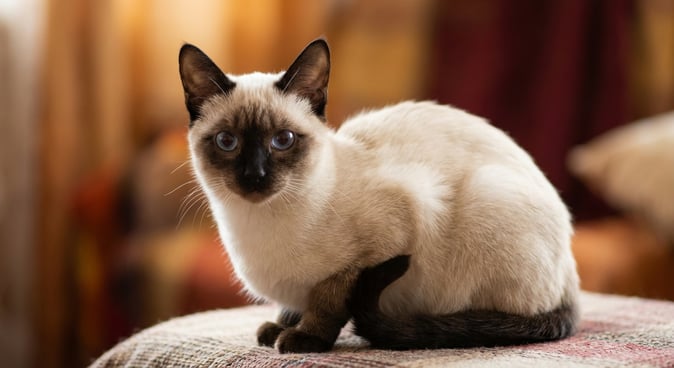
Seal Point, Blue Point, Chocolate Point, Lilac Point
Temperament
ActiveAffectionateIntelligentPlayfulSocial
Description
The Thai cat or Wichien Maat is a newly renamed but old cat breed, related to but distinct from the Western modern Siamese cat. This natural breed is descended from the landrace of cats of Thailand.
Article
Step into the world of the Thai cat, the living manuscript of old Siam whose round-cheeked beauty and sapphire gaze have guarded temples for centuries. Discover how this ancient, robust royal feline reclaimed its throne in modern hearts after breeders rescued its true form from the shadows of the extreme show-style Siamese.
Step aside, modern Siamese: the Thai cat, also called Wichien Maat, is the original royal feline of Thailand making a celebrated comeback. With sapphire-blue eyes, color-point elegance, and a heart that craves human company, this natural breed blends ancient heritage with a lively, loving personality that fills homes with chatter and charm for up to two decades.
History & Origin
The Thai cat’s story begins centuries ago in the Kingdom of Siam, where manuscripts like the Tamra Maew (Cat Poems) depicted the revered "Wichien Maat" as a palace guardian of temples and treasure. Unlike the extreme wedge-head silhouette developed by Western fanciers in the 1950s, the Thai remained the moderate, robust landrace of Thailand’s streets and palaces. In 1990 breeders worldwide began preserving these original features, leading to official recognition under the name Thai to distinguish it from the contemporary show-style Siamese while honoring its authentic roots.
Breed Details
Property
Value
ID
178325fe-8b66-465e-a1a1-76a5d49b718b
Name
Thai
Origin
Thailand
Temperament
Active, Affectionate, Intelligent, Playful, Social
Life Span
15-20
Weight
3.0-5.0 kg
Length
29-35 cm
Coat Length
Short
Coat Colors
Seal Point, Blue Point, Chocolate Point, Lilac Point
Thai cats display a classic, moderate body: neither cobby nor ultra-sleek, weighing 3–5 kg and measuring 29–35 cm from shoulder to tail base. Their short, close-lying coat has a satin finish that highlights the signature color points—seal, blue, chocolate, and lilac—set against a pale, creamy ground. The head is gently rounded with high cheekbones, a straight profile, and famously large, forward-tilted ears that frame the hypnotic deep-blue eyes. Legs are proportionate, hind legs slightly longer, ending with neat oval paws; the tail tapers to a fine point, completing the balanced, athletic silhouette.
Temperament & Personality
Expect a feline extrovert: Thai cats score top marks for affection, friendliness, and intelligence, earning them the nickname "Velcro cats" of Southeast Asia. They shadow owners from room to room, commenting with a resonant, conversational meow that is softer than the modern Siamese yet equally insistent. Playfulness is off the charts—fishing-rod toys, puzzle feeders, and fetch games keep their agile minds engaged. Because they crave company, many thrive in pairs or with cat-friendly dogs; solitude longer than a workday can lead to loneliness-induced antics.
Care Requirements
Weekly grooming with a rubber brush removes minimal dead hair (shedding level 2/5) and distributes skin oils for a glossy coat. Trim nails every couple of weeks, check ears for wax, and brush teeth several times a week to counter the breed’s slight predisposition to dental tartar. Provide vigorous exercise: ceiling-high cat trees, window perches, and daily interactive play sessions to burn their 4/5 energy level. Rotate toys to prevent boredom; many enjoy leash-training for supervised backyard adventures. Puzzle feeders challenge their 5/5 intelligence and prevent overeating, as Thais can become little couch potatoes if under-stimulated.
Health Considerations
Overall the Thai is a hardy, long-lived companion, often reaching 15–20 years. Responsible breeders screen for occasional amyloidosis, a protein-storage disease, and monitor kidney function through routine blood panels. Dental hygiene remains paramount; introduce tooth-brushing as kittens to reduce gingivitis risk. Maintain a lean body condition—palpate ribs under a light fat cover—to protect joints and organs. Regular vaccinations, parasite control, and annual vet exams complete a preventive plan that keeps most Thais agile into their late teens.
Is This Breed Right For You?
Choose a Thai if you desire a sociable, talkative shadow that greets guests and curls up under blankets at night. Their 5/5 affection level makes them ideal for families with respectful children or retirees who work from home. Apartment dwellers can succeed provided they supply vertical space and daily play; otherwise, consider two kittens to entertain each other. If you travel frequently or prefer a quiet, independent pet, a more reserved breed might suit better. For those ready to share life with an engaging, blue-eyed conversationalist, the Thai offers centuries of love wrapped in silk-soft fur.
The Thai cat is a living artifact of old Siam, combining timeless color-point beauty with an exuberant, people-centric spirit that turns ordinary days into shared adventures. If you crave a brilliant, affectionate companion who will chat, charm, and cuddle for up to two decades, welcoming a Wichien Maat into your heart—and lap—may be the most rewarding history lesson you’ll ever experience.
5/5
Health Issues
Generally healthy; occasional dental issues and amyloidosis reported
family cats
Thailand cat breeds
vocal cats
long-lived cats
Cat's Doctor
Get AI-powered advice about your cat's health and care. Enter your cat's information and start a conversation with our veterinary assistant.
Get expert advice about cat care, behavior, nutrition, grooming, and training. Ask our AI cat care expert anything about your cat and receive professional guidance.