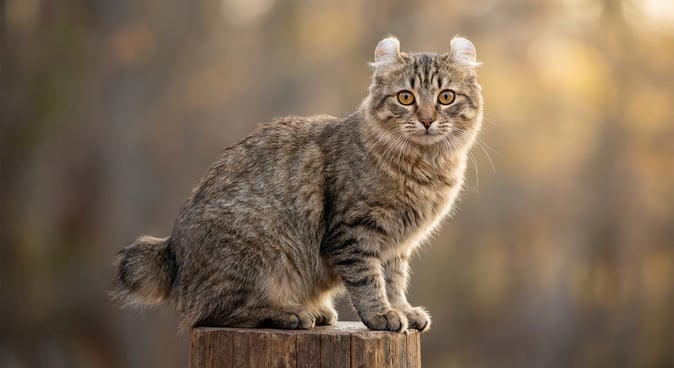
The Highlander is a modern, experimental breed developed in the USA from Desert Lynx and Jungle Curl crosses. Known for its curled ears, bobbed tail, and wild appearance, it is friendly, playful, and people-oriented despite its exotic look.
Article
Born in 1993 from a bold vision of wild beauty and cuddly charm, the Highlander cat blends the muscular Desert Lynx with the exotic Jungle Curl to create a playful, bob-tailed companion whose curled ears and heart of gold are now championship-certified.
With the gaze of a lynx, the swagger of a jungle cat, and the soul of a teddy bear, the Highlander turns heads—and then steals hearts. This all-American experiment in feline design pairs wild looks with a people-first personality that scores perfect fives in affection, friendliness, and fun.
History & Origin
The Highlander story begins in 1993 on U.S. soil, when breeders dreamed of a cat that looked like it stepped out of the forest but curled up on the couch like any domestic sweetheart. By crossing the Desert Lynx (for muscular bulk and bobbed tail) with the Jungle Curl (for those unmistakable curled-back ears), they produced a brand-new breed originally dubbed the “Highland Lynx.” In 2005, registries simplified the name to Highlander and granted championship status, cementing its place as a modern, purely American creation. No actual wild genes remain—today’s Highlander is 100% domestic, just dressed for the wilderness.
Weight ranges from 5–9 kg (11–20 lb), with males often hitting the higher end. Body length stretches 45–55 cm, supported by substantial boning and a rectangular stance that hints at its lynx-like inspiration. The coat can be short or medium, lying close to the body with enough density to feel plush when you run your fingers through it. Every color and pattern is allowed, so you might meet a leopard-spotted bronze, a classic tabby, or a solid midnight-black Highlander—all under the same breed umbrella. Eyes are large, wide-set, and come in gold, green, copper, blue, or captivating odd-eyed combinations that intensify the wild stare.
Signature features steal the show: ears curl backward in a smooth arc, varying from gentle swoop to tight corkscrew, while the tail is naturally short—ranging from a one-inch nub to a 6-inch “bunny tail.” Polydactyly (extra toes) is common and accepted, giving some Highlanders the appearance of wearing snowshoes.
Temperament & Personality
Don’t let the jungle wardrobe fool you; the Highlander is a party host, not a lone hunter. Affection and friendliness both max out at 5/5, meaning these cats greet guests at the door, supervise household chores, and wedge themselves into laps the moment one appears. They score equally high with children, dogs, and other cats, making them one of the rare breeds that truly earns the “family pet” badge.
Intelligence (4/5) pairs with a 5/5 playfulness rating, producing a cat that learns to fetch, open doors, and solve puzzle feeders with lightning speed. Yet vocalization sits at a polite 2/5—Highlanders communicate with soft chirps and trills rather than midnight opera. Expect a shadow that follows you room to room, offering gentle commentary and head butts instead of ear-splitting demands.
Care Requirements
Grooming is refreshingly low-maintenance: a weekly once-over with a slicker brush or rubber grooming glove keeps the short to medium coat glossy and removes dead hair. Shedding sits at a moderate 3/5, so you’ll notice hair on dark fabrics during seasonal changes, but daily lint-rolling isn’t mandatory. Because the ears curl, wax can accumulate in the folds; swab them bi-weekly with a vet-approved cleanser to prevent odor or infection.
Exercise needs rate 4/5. These athletic cats crave vertical space, sturdy scratching posts, and interactive toys. Invest in a tall cat tree, teach leash walking, or schedule daily fetch sessions to burn off energy. Puzzle feeders double as mental enrichment and weight control, important because their substantial frame can tip toward tubby if left to graze all day.
Health Considerations
Highlanders are generally robust, with a 10–15 year lifespan typical for cats of their size. The curled ear itself is cosmetic, but the restricted airflow can trap debris; routine cleaning prevents most problems. Very short “rumpy” tails occasionally show congenital kinks or fused vertebrae, so gentle handling and weight management help avoid arthritis later in life. Responsible breeders screen for hip laxity and heart murmurs, although no breed-specific disorders currently plague the gene pool. Routine dental care, vaccinations, and annual vet exams round out the wellness plan.
Is This Breed Right For You?
Choose a Highlander if you want an extroverted companion who participates in family life rather than observing from afar. They thrive in active households with kids, other pets, and plenty of playtime but adapt equally well to apartment living provided you supply daily stimulation. Travel enthusiasts appreciate their leash trainability and car-curious nature. Avoid this breed if you’re away 12 hours a day with no pet sitter or enrichment—Highlanders grow lonely and may channel energy into destructive acrobatics. Budget for sturdy furniture, interactive toys, and occasional ear cleaner, and you’ll share your home with a living stuffed animal that acts more like a loyal dog in a cat’s couture coat.
The Highlander proves you can judge a cat by its cover—only in reverse. Beneath the wild curls, bobbed tail, and predator’s gaze beats the heart of a laid-back clown who lives to love and play. Give them affection, adventure, and a weekly ear rub, and this all-American original will reward you with 10–15 years of tail-wagging, chirping, head-butting devotion.
2/5
Health Issues
Generally healthy; occasional ear wax build-up due to curled ears; rare tail kinks or joint issues in shorter tails.
American cat breeds
playful cats
intelligent cats
exotic looking domestic cats
Cat's Doctor
Get AI-powered advice about your cat's health and care. Enter your cat's information and start a conversation with our veterinary assistant.
Get expert advice about cat care, behavior, nutrition, grooming, and training. Ask our AI cat care expert anything about your cat and receive professional guidance.