Why Do Cats Knead? Understanding This Endearing Feline Behavior (2026)
Discover the fascinating reasons behind why cats knead, from instinct and comfort to affection and territory marking. Learn what your cat's 'biscuit-making' truly means.
Share this page
Why Do Cats Knead? Understanding This Endearing Feline Behavior (2026)
If you've ever had a cat rhythmically push their paws against you while purring contentedly, you've witnessed kneading. Often affectionately called "making biscuits," this charming behavior has deep evolutionary roots and carries multiple meanings. Understanding why cats knead can significantly strengthen the bond between you and your feline companion.
What Is Kneading?
The Physical Action
Description:
A rhythmic pushing motion performed with the front paws
Alternating left and right paws in a steady pattern
Claws may gently extend and retract during the motion
Often accompanied by a loud, rumbling purr
Sometimes includes suckling or drooling behavior
Typical Timing:
Most common when a cat is deeply relaxed and content
Frequently occurs before settling down for a nap or sleep
During moments of affection and close bonding
Often triggered by soft, warm surfaces like blankets or a favorite lap
Why Do Cats Knead? Understanding This Endearing Feline Behavior (2026) - Articles
The Primary Explanation:
Kittens knead their mother's belly while nursing to stimulate milk flow.
This creates a powerful, lifelong association between the motion and feelings of comfort, safety, and nourishment.
The behavior is often retained into adulthood as a self-soothing mechanism.
The Science Behind It:
Neural pathways are established during the critical nursing period.
The act of kneading releases calming endorphins and oxytocin.
It serves as a powerful self-comforting behavior, even in orphaned kittens who display the instinct.
2. Creating a Comfortable Resting Place
Wild Ancestor Behavior:
Wild ancestors would knead grass, leaves, or dirt to create a soft, safe sleeping nest.
The action helped flatten vegetation, check for hidden hazards, and create a secure, comfortable spot.
Modern Manifestation:
Your cat kneading a blanket or your lap is a modern echo of this nesting ritual.
The circling and kneading routine before lying down prepares their chosen spot for maximum comfort and security.
3. Marking Territory with Scent
Scent Glands in Paws:
Cats have scent glands located in the soft pads of their paws.
Kneading deposits these unique pheromones onto surfaces (and people!).
This marks the area or person as familiar, safe, and part of their territory.
In Multi-Cat Households:
Kneading favorite spots or people can help establish ownership and reduce territorial stress.
When your cat kneads you, they are essentially claiming you as their own with a scent signature.
4. Stretching and Maintaining Flexibility
Physical Benefits:
The motion provides an excellent stretch for the muscles and tendons in the paws, legs, and shoulders.
It helps maintain flexibility and range of motion, similar to a human doing yoga or stretching after rest.
It simply feels good and can be a way to prepare the body for activity or further relaxation.
5. A Profound Display of Affection and Trust
A Key Trust Signal:
Kneading places a cat in a somewhat vulnerable position.
Performing this behavior on you indicates complete trust and a deep sense of security.
It is a sign of bonding, often reserved for their most cherished human companions.
What It Means When They Knead You:
You are considered part of their family and safe territory.
They feel profoundly secure and loved in your presence.
It's one of the highest compliments a cat can give.
Different Styles of Kneading
The "Happy Biscuit Maker"
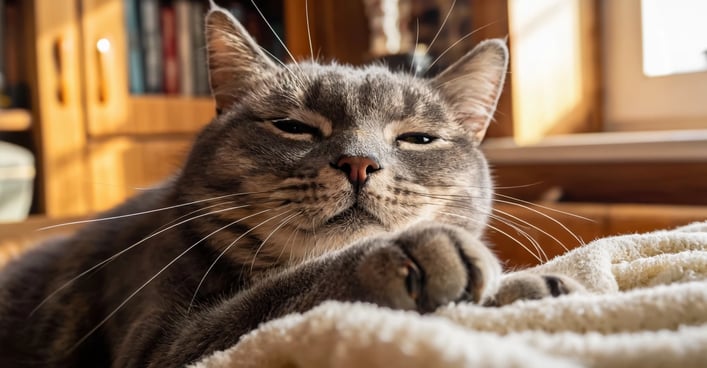
Characteristics: Gentle pressure, loud purring, a blissful expression, and slow, rhythmic motions.
Meaning: Pure, unadulterated contentment and happiness.
The "Intense Worker"
Characteristics: Deep pressure, extended claws, a focused expression, and sometimes suckling.
Meaning: Strong comfort-seeking, potentially linked to being weaned a bit early as a kitten.
The "Nervous Kneader"
Characteristics: Rapid, anxious motions, unsettled body language, and frequent location changes.
Meaning: Using kneading as a mechanism for stress relief and seeking comfort.
Managing Kneading Behavior
When Kneading Becomes Uncomfortable
Common Issues: Sharp claws can cause pain or damage clothing and furniture.
Effective Solutions:
Trim Claws Regularly: Gently trim the tips every 2-3 weeks to keep them blunt.
Use a Protective Barrier: Place a thick blanket or towel on your lap before your cat settles in.
Redirect Gently: Encourage kneading on a designated soft blanket or cat bed placed nearby.
Important: Never punish your cat for kneading. It is a natural, positive behavior. Always redirect or manage the environment instead.
What Your Cat's Kneading Tells You
Frequent Kneading: Usually signifies a very content, secure cat with a strong bond to you.
Rare Kneading: Some cats simply show affection in other ways; personality plays a big role.
Sudden Increase: Could indicate your cat is seeking more comfort due to stress or environmental changes. Monitor for other signs.
Frequently Asked Questions
Q: Why does my cat knead me but not my partner?
A: This typically indicates a stronger primary bond with you. Cats often choose a favorite person, though this can change over time.
Q: Do all cats knead?
A: Most do, but the frequency and intensity vary greatly based on personality, early life experience, and breed.
Q: Why does my cat knead and then suddenly bite?
A: This is often a sign of overstimulation or "love biting." Your cat may become overly excited. Watch for other signals (twitching tail, skin rippling) and end the session calmly if needed.
Q: Should I stop my cat from kneading?
A: No. It is a healthy, instinctive behavior. Instead, manage it humanely if the claws are an issue, as described above.
When to Consult a Veterinarian
While kneading is almost always normal, contact your vet if you notice:
Excessive, Compulsive Kneading: Hours of non-stop kneading where the cat cannot relax.
Kneading Combined with Signs of Pain: Whimpering, flinching, or aggression during the act.
Sudden Onset in an Older Cat: Especially if paired with other behavioral or cognitive changes.
Conclusion
Kneading, or "making biscuits," is a beautiful, instinctive behavior that connects your cat to their earliest memories of comfort and safety. When your cat kneads you, they are:
Demonstrating deep trust and affection.
Marking you as their beloved and safe person.
Reliving the ultimate comfort of their kittenhood.
Expressing pure contentment in your presence.
Key Takeaways:
Kneading is a natural, positive behavior rooted in instinct.
It is primarily a sign your cat feels happy, safe, and loved.
Claw-related issues can be managed gently without discouraging the behavior.
This ritual is one of the highest compliments your feline friend can pay you.
The next time your cat settles in for a kneading session, appreciate that you are witnessing a behavior woven into the very fabric of their being—a heartfelt reminder of the profound trust and comfort they find in your care.
Get expert advice about cat care, behavior, nutrition, grooming, and training. Ask our AI cat care expert anything about your cat and receive professional guidance.