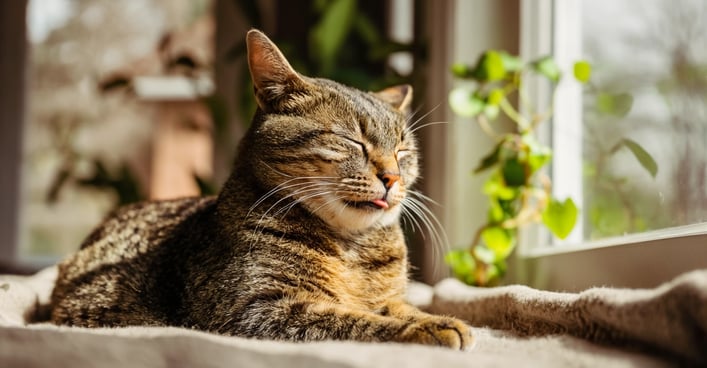
Understanding Cat Purring: The Science of Healing and Communication
Discover why cats purr, from healing vibrations to complex communication. Learn to interpret different purrs and their surprising benefits for both felines and humans.
Share this page
Understanding Cat Purring: The Science of Healing and Communication
The gentle rumble of a cat's purr is one of the most soothing sounds in nature, yet this common feline behavior remains a complex biological phenomenon. Far from simply indicating contentment, purring serves multiple purposes—including communication, self-healing, and even potential therapeutic benefits for humans. This comprehensive guide explores the fascinating science and meaning behind why cats purr.
The Science of Purring
How Cats Purr
Mechanism:
Rapid twitching of laryngeal muscles (30–150 Hz)
Neural oscillator in the brain controls timing
Diaphragm contributes to the sound
Occurs during both inhalation and exhalation
Vocal cords partially close, creating vibrations
Unique Feature:
Unlike other vocalizations, purring is produced continuously during both breathing phases, creating the unbroken rumble we recognize.
Significance of 25–50 Hz:
This frequency range corresponds to frequencies used in therapeutic medicine for:
Bone growth and repair
Wound healing
Muscle growth and repair
Pain relief
Joint mobility
Why Cats Purr
1. Contentment and Happiness
The Classic Scenario:
Being petted
Relaxing in sunlight
Kneading ("making biscuits")
Nursing kittens
Comfortable resting
Body Language Accompanying Contentment:
Relaxed posture
Half-closed eyes
Slow blinking
Kneading paws
Tail wrapped gently
2. Communication
Kitten-Mother Communication:
Kittens purr while nursing
Mother purrs back
Cannot meow while nursing
Maintains contact and bonding
Signals "all is well"
Solicitation Purr (The "Embedded" Meow):
Discovered by researchers in 2009
Higher frequency (200–500 Hz) embedded within the purr
Sounds like a subtle cry within the rumble
Specifically evolved to appeal to humans
More urgent and less pleasant than contented purring
Often used for food requests
3. Self-Healing
The "Purr Therapy" Theory:
Cats may purr to:
Stimulate bone density
Promote healing
Reduce pain
Repair tendons and muscles
Maintain bone health during extended rest
Evidence Supporting This Theory:
Cats purr when injured or ill
Purring continues during sleep
Frequency matches therapeutic ultrasound ranges
Cats exhibit remarkable recovery abilities
Lower incidence of bone and joint problems compared to similar-sized animals
4. Stress and Anxiety
Counterintuitive Purring:
Cats also purr when:
At the veterinarian
In pain
Injured
Giving birth
Near death
Frightened
Possible Reasons:
Self-soothing mechanism
Pain relief through vibrational frequency
Calming signal to others
Internal "purr therapy" for recovery
Coping mechanism during distress
5. Social Bonding
Multi-Cat Households:
Cats purr near each other
Indicates peaceful intentions
Maintains group harmony
Strengthens mother-kitten bonding
Enhances cat-human relationships
Interpreting Different Purrs
The Contentment Purr
Characteristics:
Soft, rhythmic, and steady
Consistent frequency
Relaxed body language
Often occurs during petting or rest
Meaning: "I feel safe and happy."
The Solicitation Purr
Characteristics:
More urgent and insistent
Embedded cry-like sound
Often occurs near food or meal times
Harder to ignore
Less pleasant acoustically
Meaning: "Feed me now!"
The Healing/Recovery Purr
Characteristics:
May be softer or more subdued
Prolonged duration
Occurs during illness or injury
Often when the cat is alone
Meaning: "I'm trying to heal" or self-comfort.
The Stress Purr
Characteristics:
Tense body despite purring
Other stress signals present (dilated pupils, flattened ears)
Context is negative (vet visit, unfamiliar environment)
May be inconsistent or broken
Meaning: "I'm trying to calm myself."
The Healing Power of Purring
For Cats
Documented Benefits:
Benefit
Mechanism
Bone density
Vibration stimulates osteoblasts
Wound healing
Increased blood flow to injured areas
Pain relief
Endorphin release
Muscle repair
Frequency promotes cellular healing
Stress reduction
Calming self-feedback loop
Why Cats Recover Remarkably Well:
Extended rest periods accompanied by purring
Natural "vibrational therapy" during sleep
May contribute to the "nine lives" reputation
Lower rates of bone diseases like osteoporosis
For Humans
Potential Benefits:
Benefit
Evidence
Stress reduction
Documented cortisol decrease
Blood pressure lowering
Supported by multiple studies
Heart rate reduction
Calming effect well-documented
Depression/anxiety relief
Pet therapy is clinically established
Pain relief
Anecdotal and preliminary research
Bone health
Theoretical based on frequency exposure
The Mechanism:
Exposure to 25–50 Hz frequencies
Similar to therapeutic vibration devices
Oxytocin release (the "bonding hormone")
Activation of the calming parasympathetic nervous system
Important Note:
Purring is not a replacement for:
Professional medical treatment
Licensed therapy
Prescribed medication
Cats Who Don't Purr
Normal Variation
Some cats rarely or never purr
Can still be perfectly healthy and content
May rely on other forms of communication
Individual personality differences
Reasons for Not Purring
Reason
Explanation
Individual variation
Genetic or structural differences
Learned behavior
Some cats simply never develop the habit
Physical issue
Rare structural problem with larynx
Feral background
Less socialized to human interaction
Age
Very young or elderly cats may purr less
Alternative Signs of Contentment
Slow blinking ("cat kisses")
Kneading with paws
Relaxed, sprawled posture
Sleeping near or on you
Head bunting (gentle head-butts)
Vocal meows or trills
Encouraging Purring
Creating a Purr-Friendly Environment
Factor
Implementation
Safety
Secure, predictable territory
Comfort
Soft beds, warm spots, hiding places
Routine
Consistent feeding and play schedule
Affection
Respectful, gentle petting
Health
Regular veterinary check-ups
Play
Daily interactive sessions
Petting Techniques That Encourage Purring
Gentle chin scratches
Behind-the-ear rubs
Base-of-tail strokes (if your cat enjoys it)
Full-body gentle strokes
Always follow your cat's preference
Watch for signs of overstimulation (twitching tail, skin rippling)
Research and Future Directions
Current Studies
Purr frequency and pattern analysis
Healing applications in veterinary medicine
Cross-species communication patterns
Human health benefits of exposure to purring
Cat welfare and stress indicator research
Potential Applications
Therapeutic sound devices for humans and animals
Veterinary calming techniques during procedures
Complementary therapy for anxiety and pain management
Enhanced understanding of feline emotional states
Frequently Asked Questions
Q: Why does my cat purr when I pet them?
A: This typically indicates contentment and social bonding. The physical contact triggers a pleasure response that produces purring.
Q: My cat purrs at the vet. Are they actually happy?
A: Probably not. This is likely a self-soothing behavior during stress. Always check other body language signals for context.
Q: Can all cats purr?
A: Most domestic cats can. Big cats (lions, tigers) can roar but cannot purr continuously. Smaller wild cats like cheetahs can purr.
Q: Does purring mean my cat is always happy?
A: No. Context is crucial. Purring can also indicate stress, pain, or illness. Always observe overall behavior and environment.
Q: Can I make my cat purr?
A: You cannot force it, but you can create conditions where purring is more likely—through safety, comfort, and gentle, positive interaction.
Q: Are there health benefits for humans listening to a cat purr?
A: Research suggests measurable stress reduction and calming effects. The specific frequencies may have therapeutic properties similar to vibration therapy.
Last Updated: 2026 | Remember: Purring is complex communication. Always consider context and accompanying body language to understand what your cat is expressing.
Get expert advice about cat care, behavior, nutrition, grooming, and training. Ask our AI cat care expert anything about your cat and receive professional guidance.