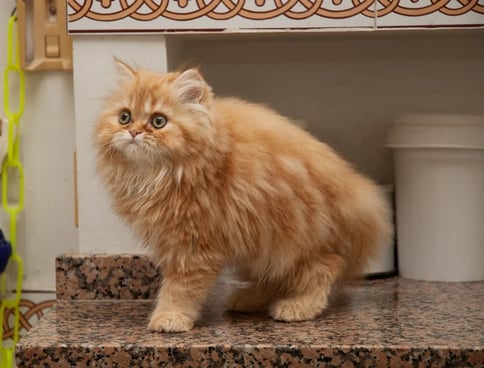
The Persian cat, with its luxurious long coat and sweet, calm temperament, is the quintessential lap cat and a symbol of feline beauty.
With a face as sweet as a pansy and a coat that flows like silk, the Persian cat is the epitome of feline grace and tranquility. This ancient breed, known for its gentle and affectionate nature, has captivated hearts for centuries, reigning as one of the world's most popular and recognizable cat breeds. More than just a pretty face, the Persian is a devoted companion who prefers serene laps and quiet companionship to high-energy antics.
The Persian cat's story begins in the cradle of civilization, ancient Persia (modern-day Iran). These majestic longhairs were first brought to Europe in the 17th century by Italian traders, where their exotic appearance caused an immediate sensation among nobility. Through selective breeding over centuries, particularly in Britain and America, the breed's signature features—the extremely round head, short muzzle, and profuse coat—were accentuated, transforming them into the plush, doll-faced companions we know today. Their enduring popularity is a testament to their timeless beauty and serene disposition.
The Persian is the very picture of luxurious softness. They are a medium-sized, cobby cat with a robust body, short legs, and a broad chest. Their most defining feature is their distinctive brachycephalic (flat) face with large, round, expressive eyes that can be copper, blue, green, or odd-eyed. Their crowning glory is an immensely long, thick, and flowing coat that comes in a breathtaking spectrum of colors and patterns, including solid white, black, blue, red, cream, and various tabby markings. This magnificent coat requires significant upkeep to maintain its splendor.
The Persian cat offers a unique blend of breathtaking beauty and serene companionship. While their luxurious coat demands daily devotion and their health requires informed care, the reward is a gentle, loving, and quiet friend who will grace your home with elegance and affection for many years. For those willing to meet their needs, the Persian is a living work of art and a devoted family member.
True to their calm and gentle temperament rating, Persians are the quintessential 'lap cats' of the feline world. They are profoundly affectionate (scoring 4/5) and form deep bonds with their families, yet they are famously quiet and undemanding, with a vocalization level of just 1/5. With an energy level also at 1/5, they are content to spend their days lounging in a favorite sunny spot or being gently cuddled. They are sweet-natured and get along reasonably well with children (3/5) and other pets (3/5), provided interactions are calm and respectful of their sedate pace.
Owning a Persian is a commitment to dedicated grooming. Their long coat mats and tangles easily, demanding daily brushing with a metal comb to prevent painful knots and hairballs. Regular baths are often necessary to keep their coat clean and healthy. Due to their flat faces, their eyes require daily wiping to prevent tear staining, and their facial folds need gentle cleaning. Despite a playfulness score of only 2/5, they still benefit from short, gentle play sessions to maintain a healthy weight, as their low exercise needs (1/5) can lead to obesity.
Prospective owners must be aware of several breed-specific health issues. The brachycephalic facial structure can lead to respiratory difficulties (brachycephalic airway syndrome), making them sensitive to heat and prone to noisy breathing. They are also predisposed to Polycystic Kidney Disease (PKD), a serious genetic condition, so purchasing from a breeder who tests for PKD is crucial. Their prominent eyes are susceptible to conditions like cherry eye and entropion (where the eyelid rolls inward), requiring vigilant monitoring.
The Persian is an ideal companion for someone seeking a beautiful, tranquil, and affectionate indoor cat. They are perfect for quieter households, apartments, and individuals or families who appreciate a low-energy pet. However, they are not the breed for you if you cannot commit to a rigorous daily grooming routine or if you desire an active, playful, or independent feline. Their significant grooming needs and potential health concerns require an owner who is prepared for both the time commitment and possible veterinary expenses associated with this regal breed.
Get AI-powered advice about your cat's health and care. Enter your cat's information and start a conversation with our veterinary assistant.
Start Chat with AIGet expert advice about cat care, behavior, nutrition, grooming, and training. Ask our AI cat care expert anything about your cat and receive professional guidance.
Start Chat with Expert