Back to Articles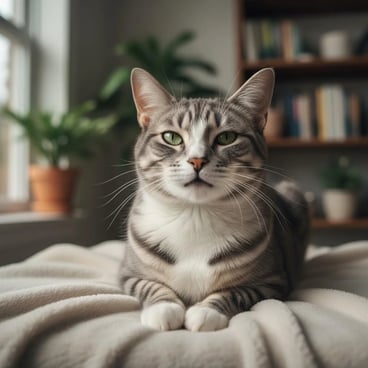
Cat Breeds5 min read
Domestic Shorthair Guide: Personality, Health & Care Tips
Thinking of adopting a Domestic Shorthair? Learn why these healthy, affectionate, and low-maintenance cats are the perfect choice for families and first-time owners.
Share this page
When you picture a classic cat, you're likely imagining a Domestic Shorthair. While not a formal pedigree breed, these cats represent the vast majority of beloved pets worldwide. With their mixed ancestry, they offer a unique blend of robust health, charming personalities, and an endless array of colors, making every single one a one-of-a-kind treasure for any cat owner.
History & Origin
The Domestic Shorthair's story is the story of the cat itself. Descended from the African wildcat, these felines began their relationship with humans thousands of years ago. As cats traveled the world on ships, they interbred freely, creating a resilient gene pool. The term "Domestic Shorthair" (DSH) is a classification for this mixed-breed population, distinct from pedigreed breeds like the British Shorthair. They are the quintessential "moggie" and remain the most popular house cats in the United States.
Physical Characteristics
Defining the look of a Domestic Shorthair is impossible—and that's the point! They are a canvas of feline possibility. Typically weighing 8 to 15 pounds (3.5 to 7 kg), they have a moderate, athletic build. Their most defining feature is their short, easy-care coat, which can appear in every color and pattern imaginable: classic tabby, solid black, tortoiseshell, calico, and smoky shades. Their eye color is equally diverse, ranging from brilliant green to deep copper.
Domestic Shorthair Temperament & Personality
The Domestic Shorthair proves that perfection needs no pedigree. In their boundless variety of form and color, and their wonderfully balanced temperament, they embody the ideal companion cat. Healthy, affectionate, and resilient, they offer unwavering companionship without pretense. Choosing a Domestic Shorthair means embracing the beautiful diversity of the feline world and gaining a loyal friend whose only breed is 'beloved.'