British Shorthair Guide: The Gentle Teddy Bear Cat Breed Profile
Meet the British Shorthair, the gentle "teddy bear" of the cat world. Known for its calm temperament and plush coat, this loyal breed is the ultimate low-maintenance companion.
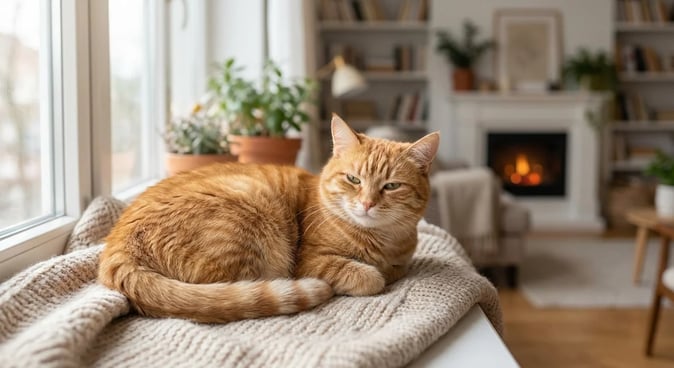
With its plush, dense coat, round copper eyes, and an expression of perpetual mild surprise, the British Shorthair is the definitive "teddy bear" of the feline world. This quintessentially British breed is the pedigreed descendant of the classic domestic cat, prized for its gentle, easygoing temperament and sturdy, cobby build. More than just a pretty face, the British Shorthair temperament is calm, loyal, and undemanding, making it a top choice for families and apartment dwellers alike.
History & Origin
The British Shorthair's history is intertwined with that of Britain itself. Their ancestors are believed to be the domestic cats brought to the British Isles by Roman invaders, tasked with protecting grain stores from rodents. These hardy street cats evolved naturally for centuries, developing the dense, water-resistant coat and powerful physique needed to survive the damp climate.
In the late 19th century, cat fanciers, led by Harrison Weir, began selectively breeding the most impressive of these common cats, establishing the breed we know today. The iconic "British Blue" was the initial and most prized color. While global events once threatened the breed, careful outcrossing with other breeds like the Persian helped restore their numbers, solidifying their signature rounded features and calm temperament.
Physical Characteristics
The British Shorthair is the epitome of substance and strength. Often compared to a , they are a medium-to-large breed. Males typically weigh 6–8 kg, while females average 4–6 kg.
The British Shorthair is more than just a beautiful cat with a famously plush coat and cherubic face. It is a breed of remarkable character—calm, loyal, gentle, and wonderfully undemanding. They offer the profound comfort of a constant, quiet companion without the need for high drama or intensive maintenance. By understanding their care needs, particularly their propensity for weight gain, and providing a loving, stable home, you will be rewarded with the deep, dignified affection of a true teddy bear cat for many years to come.
Their most defining feature is their cobby, stocky body, supported by short, sturdy legs and rounded paws. The head is broad and round with full cheeks, a short nose, and large, round eyes that shine in copper, gold, blue, or green. Their coat is short but exceptionally dense and plush, often described as "crisp" to the touch. While the classic blue-grey is most famous, they come in a wide array of colors and patterns, including white, black, cream, and various tabby markings.
British Shorthair Temperament & Personality
If you imagine a cat that is the embodiment of a quiet, loyal companion, you are picturing the British Shorthair. These cats form deep bonds with their families but express them in a reserved, dignified manner—more likely to follow you from room to room than demand constant lap time.
Their calm and gentle nature makes them excellent with children and other pets. They are intelligent and moderately playful, enjoying short sessions with puzzle toys or feather wands, but are equally content to be a serene, observant presence. Interestingly, they are a notably quiet breed, communicating with soft chirps rather than loud meowing.
Care Requirements and Grooming
Caring for a British Shorthair is relatively straightforward, aligning with their easygoing personality.
Grooming: Their dense coat requires weekly brushing to remove dead hair and minimize shedding. They generally have low grooming needs compared to long-haired breeds.
Diet & Exercise: Due to their laid-back nature and tendency toward obesity, managing their diet is crucial. Use interactive play to keep them fit and mentally stimulated.
Environment: Provide scratching posts and a few choice perches from which they can survey their kingdom.
Health Considerations
The British Shorthair is generally a robust breed with a long lifespan of 12–20 years. However, prospective owners should be aware of certain health predispositions:
Hypertrophic Cardiomyopathy (HCM): A form of heart disease common in many pedigreed cats.
Hemophilia B: A hereditary bleeding disorder.
Polycystic Kidney Disease (PKD): While more common in Persians, it can affect British Shorthairs.
Obesity: Their sedentary lifestyle and love of food make weight management non-negotiable.
Is This Breed Right For You?
The British Shorthair is an ideal companion for those seeking a calm, affectionate, and low-maintenance cat. They are perfect for families, singles, and seniors who appreciate a quiet, predictable personality. Their adaptability makes them well-suited to both apartment living and large houses. If you dream of a steadfast, gentle companion who offers quiet loyalty, the British Shorthair is a perfect match.
Get expert advice about cat care, behavior, nutrition, grooming, and training. Ask our AI cat care expert anything about your cat and receive professional guidance.