Sphynx Cat Care: The Complete Guide to Hairless Cat Maintenance in 2026
Your essential guide to caring for a Sphynx cat. Learn about their unique grooming, temperature, and health needs to keep your hairless companion happy and healthy.
Share this page
Sphynx Cat Care: The Complete Guide to Hairless Cat Maintenance in 2026
By Dr. Emily Chen, DVM | Published: January 20, 2026 | Reading Time: 15 minutes
Introduction
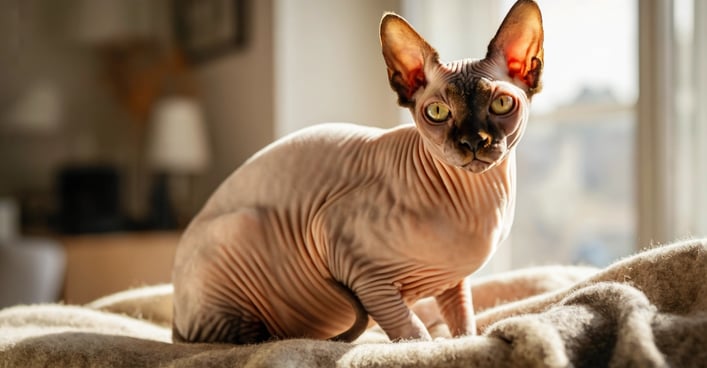
The Sphynx cat is a captivating and distinctive breed, celebrated for its hairless appearance, warm chamois-like skin, and playful, clownish personality. Contrary to popular belief, their lack of fur does not equate to low maintenance. In fact, Sphynx cats require specialized, dedicated care that differs significantly from that of coated breeds. Understanding and meeting these unique needs is paramount to ensuring your hairless companion thrives.
This comprehensive guide provides everything you need to know to be a confident and prepared Sphynx cat owner.
Sphynx Cat Care: The Complete Guide to Hairless Cat Maintenance in 2026 - Articles
Physical Traits:
Hairless: May have a fine layer of peach fuzz.
Wrinkled Skin: Prominent, especially in kittens.
Large Ears: A signature feature.
Lemon-Shaped Eyes: Expressive and wide-set.
Pot Belly: A common trait, not necessarily a sign of obesity.
Warm to the Touch: Due to their higher metabolism for body temperature regulation.
Personality:
Extremely People-Oriented: They crave constant companionship.
High Energy: Playful and active.
Clownish & Entertaining: Known for their silly antics.
Heat-Seeking: Will find the warmest spot in the house.
Dog-Like Devotion: Often form a strong bond with one person.
Very Vocal: They communicate frequently with chirps and meows.
Why Specialized Care is Essential
Their lack of fur creates several unique challenges:
No Oil Absorption: Skin oils accumulate on the surface, leading to greasiness.
No Natural Protection: Vulnerable to sun, cold, and minor scratches.
Poor Temperature Regulation: Cannot retain or dissipate heat effectively.
No Ear Hair: Debris and wax build up quickly in the ear canal.
Essential Grooming Requirements
Bathing: The Non-Negotiable Weekly Ritual
Frequency:
Weekly bathing is essential. Some individuals may require bathing twice a week.
This routine cannot be skipped without risking skin problems.
Supplies Needed:
Mild, pH-balanced cat shampoo or gentle baby shampoo
Soft washcloths
Several absorbent towels
Veterinary-approved ear cleaner
Cotton pads or balls
Step-by-Step Bathing Technique:
Prepare a sink or tub with warm (not hot) water.
Gently wet your cat thoroughly.
Apply shampoo and lather gently, paying special attention to skin folds, paws, and the tail.
Rinse completely—any residue can cause skin irritation.
Wrap your cat in a warm towel immediately and dry thoroughly.
Keep them in a warm, draft-free room until completely dry.
Pro Tips:
Begin bathing routines when they are kittens to build positive associations.
Keep the entire process calm, quick, and gentle.
Have all supplies within reach before you start.
Ear Cleaning: A Critical Weekly Task
Why It's Critical: With no ear hair to trap debris, Sphynx cats are prone to rapid wax buildup and infections.
Process:
Apply a few drops of vet-recommended ear cleaner into the ear canal.
Gently massage the base of the ear for 20-30 seconds.
Allow your cat to shake its head.
Wipe away loosened debris from the outer ear with a cotton pad.
Never insert cotton swabs into the ear canal.
Nail and Skin Care
Nail Care:
Trim nails every 1-2 weeks.
Clean the nail beds during each bath with a soft toothbrush to remove oily buildup.
Skin Care Between Baths:
Daily Wiping: Use a damp, soft cloth to wipe the face, chin (to prevent acne), and any visibly oily areas.
Moisturizing: Some Sphynx benefit from a light, pet-safe moisturizer or a tiny amount of coconut oil if their skin becomes dry. Avoid over-moisturizing.
Temperature & Environmental Management
Creating the Ideal Climate
Ideal Temperature: Maintain a consistent indoor temperature between 68-78°F (20-25°C). Avoid drafts.
Signs Your Sphynx is Too Cold:
Shivering
Seeking heat sources obsessively
Cold ears and paw pads
Lethargy or huddling
Heating Solutions:
Heated cat beds or pads (use low settings with supervision)
Soft sweaters or shirts (if your cat tolerates them)
Warm, enclosed sleeping spots with plenty of blankets
Access to sunny windowsills
Sun Protection is Non-Negotiable
Risks: Sphynx cats have an extremely high risk of sunburn, which can lead to skin cancer.
Safety Measures:
Indoor-Only Lifestyle is Strongly Recommended.
If they go outside, ensure it is limited, supervised, and in shade.
Apply pet-safe sunscreen to ears, nose, and other exposed skin.
Consider protective clothing for outdoor time.
Nutrition & Diet
Higher Caloric Needs
Why More Food? Sphynx cats have a faster metabolism to help maintain body heat, requiring 20-30% more calories than an average coated cat.
Diet Recommendations:
Feed a high-quality commercial cat food with rich animal protein content.
Provide small, frequent meals.
Monitor body condition closely to avoid obesity—adjust portions based on activity level, not just package guidelines.
Food Sensitivities
Sphynx are prone to skin allergies. If issues arise, your vet may recommend:
Prevent with regular bathing, a quality diet, and hypoallergenic products.
Hypertrophic Cardiomyopathy (HCM)
A genetic heart condition. Essential: Annual screening via echocardiogram.
Temperature Regulation Issues
Risk of heat exhaustion. Provide cool areas and watch for panting.
Dental Disease
Prone to issues. Establish a home dental care routine and schedule annual vet cleanings.
Ear Infections
Prevent with weekly cleaning. Watch for head shaking, odor, or discharge.
Clothing, Accessories & Home Setup
Clothing (Sweaters & Shirts)
Benefits: Provides warmth, sun protection, and can help keep furniture cleaner.
Considerations: Not all cats tolerate clothing. Ensure a proper fit, remove if the cat seems distressed or overheated, and wash items regularly.
The Perfect Sphynx-Friendly Home
Bedding: Offer multiple warm options in different rooms—heated beds, self-warming pads, and piles of soft blankets in enclosed spaces.
Litter Box: Use an unscented, dust-free litter to avoid skin irritation. Clean boxes frequently and provide easy access.
Cost of Ownership Breakdown
Owning a Sphynx involves higher initial and ongoing costs due to their specialized needs.
Initial Costs (Approximate):
Kitten from Reputable Breeder: $1,500 - $3,000+
Initial Vet Care & Supplies: $500 - $1,000
Annual Ongoing Costs (Approximate):
High-Quality Food: $700 - $1,000
Veterinary Care (incl. HCM screening): $500 - $1,000+
Grooming & Heating Supplies: $200 - $500
Total Annual Estimate:$1,450 - $2,650+
Is a Sphynx Cat Right for You?
The Ideal Sphynx Home
A warm, climate-controlled, indoor-only environment.
An owner who is home frequently and can commit to a strict weekly grooming schedule.
Someone who appreciates a highly social, demanding, and affectionate companion.
A household prepared for potential higher veterinary costs.
Potential Challenges
The non-negotiable requirement for weekly bathing.
Oily skin can leave marks on furniture and clothing.
Temperature sensitivity requires careful home management.
They are not a low-maintenance or low-cost pet.
Finding a Reputable Breeder
Essential Health Testing: A responsible breeder must provide documentation of:
Annual HCM screening (echocardiograms) for breeding cats.
Genetic testing for other known hereditary conditions.
A clean, social environment for kittens.
A comprehensive health guarantee and contract.
Key Questions to Ask:
"Can I see the HCM screening reports for the parents?"
"What is your policy if a genetic health issue arises?"
"How do you socialize the kittens?"
Advantages vs. Challenges: A Quick Summary
Advantages:
No shedding or hairballs.
Hypoallergenic for some people (allergies are to a protein in saliva, not hair).
Unforgettable, affectionate, and entertaining personality.
Unique and striking appearance.
Challenges:
Intensive, weekly grooming regimen.
High susceptibility to temperature extremes.
Potential for higher veterinary expenses.
Requires a dedicated, attentive owner.
Conclusion
Sphynx cats are extraordinary companions, offering unmatched devotion and endless entertainment. However, they are a significant commitment. Their specialized care—from weekly baths to meticulous temperature management—is essential, not optional.
For the prepared owner who can fully embrace their needs, a Sphynx cat provides a uniquely rewarding bond filled with warmth (literally and figuratively) and personality. Before bringing one into your life, conduct honest self-reflection to ensure you can provide the lifelong, dedicated care this special breed deserves.
Related Articles:
Hairless Cat Breeds: A Complete Comparison Guide
How to Bathe a Cat: A Stress-Free Step-by-Step Guide
Feline Skin Care: Managing Common Issues and Allergies
The Ultimate Guide to Enriching Your Indoor Cat's Life
Get expert advice about cat care, behavior, nutrition, grooming, and training. Ask our AI cat care expert anything about your cat and receive professional guidance.