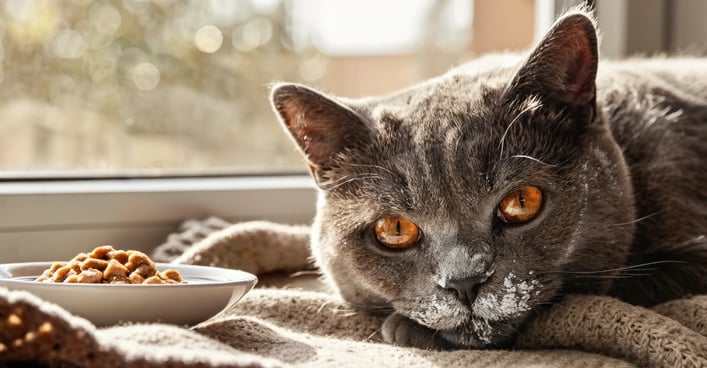
Senior Cat Nutrition: A Complete 2026 Diet Guide for Aging Felines
Learn how to adapt your senior cat's diet for optimal health. This guide covers changing nutritional needs, managing common conditions, and choosing the best food for your aging companion.
Share this page
Senior Cat Nutrition: A Complete 2026 Diet Guide for Aging Felines
Providing optimal nutrition is one of the most impactful ways to support your cat's health and vitality in their senior years. As metabolism slows and organ function changes, dietary adjustments become essential for managing weight, preserving muscle mass, and supporting overall well-being.
This comprehensive guide will help you understand your senior cat's evolving nutritional needs and make informed choices to enhance their quality of life.
Understanding Senior Cat Nutrition
When is a Cat Considered "Senior"?
Cats transition through life stages at different rates. Here’s a general classification:
Mature Adult: 7-10 years
Senior: 11-14 years
Geriatric: 15+ years
Note: Larger breeds and cats with chronic health conditions may exhibit signs of aging earlier.
How Aging Affects Nutritional Needs
Aging brings physiological changes that directly impact how your cat processes food:
Senior Cat Nutrition: A Complete 2026 Diet Guide for Aging Felines - Articles
Metabolic & Physical Changes:
Slower metabolism and reduced calorie requirements
Loss of lean muscle mass (sarcopenia)
Increased risk of unintended weight gain or loss
Digestive System Changes:
Decreased production of digestive enzymes
Reduced efficiency in nutrient absorption
Slower gastrointestinal motility
Dental issues that can make chewing difficult
Organ Function Decline:
Gradual reduction in kidney and liver efficiency
Changes in cardiovascular health
Weakening of the immune system
Sensory Decline:
Diminished sense of smell and taste, which can suppress appetite
Declining vision and hearing, potentially affecting feeding behavior
Key Nutritional Requirements for Senior Cats
Protein: The Foundation of Senior Health
High-quality protein is crucial for combating age-related muscle loss and supporting organ function.
Recommendations:
Provide highly digestible protein from named meat sources (chicken, turkey, fish).
Aim for 35-45% protein on a dry matter basis.
Important Note: While old guidelines restricted protein for kidney health, current veterinary consensus supports maintaining adequate, high-quality protein unless a cat is in end-stage kidney disease.
Fats: Essential but Controlled
Fats provide energy and essential fatty acids, but needs are moderated in seniors.
Aim for 15-25% fat (dry matter basis).
Prioritize foods with Omega-3 fatty acids (EPA/DHA) for their anti-inflammatory benefits, supporting joints, kidneys, and cognitive function.
Carbohydrates: Minimal and Managed
As obligate carnivores, cats have no dietary carbohydrate requirement.
Choose formulas with lower carbohydrate content.
This is especially critical for diabetic cats or those prone to weight gain.
Vitamins & Minerals: Targeted Adjustments
Phosphorus: Moderate restriction (0.5-1% dry matter) is beneficial, especially for kidney support.
Sodium: Moderate levels are acceptable; severe restriction is only necessary for diagnosed heart disease.
B Vitamins: Supplementation is often needed, particularly for cats with kidney disease, to support energy and appetite.
Antioxidants: Vitamins E and C help combat cellular oxidative stress and support immune health.
Practical Feeding Guidelines
Calorie Requirements
Adjust portions based on your cat's weight, body condition, and activity level. Use this table as a starting point and consult your vet.
Weight (lbs)
Estimated Daily Calories (Senior)
5
130 - 150
8
180 - 220
10
220 - 260
12
260 - 300
15
300 - 350
Adjustments:
Active seniors: Use the upper calorie range.
Sedentary seniors: Use the lower range.
For weight loss: Reduce calories by 10-20%.
For weight gain: Increase calories by 10-20%.
Optimal Feeding Schedule
Feed 3-4 small meals daily. This aids digestion, improves nutrient absorption, and helps maintain stable blood sugar levels.
Avoid free-feeding. It increases obesity risk and makes it difficult to monitor appetite, which is a key health indicator.
Wet Food vs. Dry Food
Wet Food is Generally Preferred for Seniors:
Higher moisture content supports kidney and urinary tract health.
Softer texture is easier to eat for cats with dental issues.
Stronger aroma helps stimulate appetite in cats with diminished smell.
Typically has lower carbohydrate density than dry food.
Dry Food Considerations:
Can be convenient for portioned grazing or as a supplement.
Dental benefits are minimal unless specifically designed as dental chews.
Often more calorie-dense, so portion control is critical.
Recommendation: A diet primarily consisting of wet food, potentially supplemented with a small, measured amount of dry food for convenience.
Dietary Management for Common Senior Health Conditions
Prescription Options: Hill's k/d, Royal Canin Renal, Purina Pro Plan NF.
Diabetes Mellitus
Key Principles: Very low carbohydrate (<10% dry matter), high protein, and strictly consistent feeding times coordinated with insulin (if prescribed). Wet food is almost always the best choice.
Hyperthyroidism
Nutritional Approach: High-calorie, highly palatable foods to counter rapid metabolism and poor appetite. Hill's y/d is a prescription option that works by restricting iodine.
Arthritis & Joint Health
Supportive Nutrition: High-dose omega-3s (EPA/DHA), glucosamine/chondroitin supplements, green-lipped mussel extract, and maintaining a lean body weight to reduce joint stress.
Cognitive Dysfunction
Brain-Supporting Nutrients: Diets enriched with DHA (an omega-3), antioxidants (Vitamins E & C), medium-chain triglycerides (MCTs), and B vitamins.
How to Choose a High-Quality Senior Cat Food
What to Look For on the Label
Ingredient Quality:
A named animal protein (e.g., chicken, salmon) as the first ingredient.
Absence of anonymous by-products, artificial colors, or preservatives like BHA/BHT.
Added taurine, an essential amino acid for cats.
Guaranteed Analysis:
Protein: Minimum 35% (dry matter basis)
Fat: 15-25%
Fiber: 3-8%
Moisture: >75% for wet food, ~10% for dry
Recommended Commercial Foods (2026)
Premium Wet Food Options:
Brand
Key Features
Wellness CORE Senior
High protein, grain-free, controlled minerals
Tiki Cat Senior
Very low carbohydrate, high moisture, fish-based
Instinct Original Senior
High protein, raw-coated kibble in wet food
Blue Buffalo Wilderness Senior
High protein, antioxidant-rich LifeSource Bits
Quality Dry Food Options:
Brand
Key Features
Hill's Science Diet Senior 11+
Vet-developed, age-specific nutrient balance
Royal Canin Aging 12+
Tailored kibble for easier chewing, supports vitality
Blue Buffalo Healthy Aging
Glucosamine & chondroitin included, plus antioxidants
Beneficial Supplements for Senior Cats
Generally Recommended
Omega-3 Fatty Acids (Fish/Krill Oil):
Dose: 250-500mg combined EPA/DHA daily.
Benefits: Powerful anti-inflammatory for joints, kidneys, and brain health.
Probiotics:
Support digestive health, immune function, and nutrient absorption.
Follow product-specific dosing guidelines.
B-Vitamin Complex:
Supports energy metabolism and appetite. Vitamin B12 is often specifically needed for cats with CKD.
Antioxidants: Vitamin E (50-100 IU/day) or CoQ10 (10-30mg/day).
Digestive Enzymes: Can aid nutrient absorption if pancreatic function is diminished.
Crucial: Always consult your veterinarian before starting any new supplement, as they can interact with medications or underlying conditions.
Solving Common Senior Feeding Challenges
Decreased Appetite
Strategies:
Warm wet food to enhance its aroma.
Add a teaspoon of low-sodium chicken broth or a dab of fish oil.
Try different protein sources and textures (pâté vs. shreds).
Hand-feed or use puzzle feeders for stimulation.
Discuss prescription appetite stimulants with your vet.
Dental Issues
Switch exclusively to wet or softened food.
Ensure regular veterinary dental check-ups.
Consider dental treats only if your cat can chew them comfortably.
Unintended Weight Loss or Gain
Weight Loss: Rule out medical causes first. Then, switch to a higher-calorie, highly palatable food and offer more frequent meals.
Weight Gain: Implement strict portion control using a kitchen scale, switch to a weight management formula, and encourage gentle exercise. Aim for a gradual loss of 1-2% of body weight per week.
Cost Considerations for Senior Cat Care
Estimated Monthly Costs (2026)
Food:
Premium Wet Food Diet: $80 - $150
Mixed Wet/Dry Diet: $50 - $90
Prescription Therapeutic Diets: $60 - $120+
Supplements:
Omega-3s: $15 - $30
Joint Support: $20 - $40
Probiotics: $15 - $25
Total (Typical Regimen): $50 - $95
Annual Total (Food & Supplements): Approximately $1,500 - $3,000
Investing in proper nutrition can reduce long-term veterinary costs by helping to manage chronic conditions proactively.
Partnering with Your Veterinarian
Regular veterinary care is non-negotiable for senior cats. Recommended monitoring includes:
Every 6-12 Months: Comprehensive blood work, urinalysis, and blood pressure check.
Monthly at Home: Weight and body condition score tracking.
Questions to Ask Your Vet:
What is my cat's ideal body weight and calorie target?
Does my cat need a phosphorus-restricted or prescription diet?
Which supplements would benefit my cat's specific health profile?
How often should we re-evaluate the dietary plan?
Frequently Asked Questions (FAQ)
Q: Should every cat over 7 switch to senior food?A: Not automatically. A healthy "mature" cat may thrive on a high-quality adult maintenance diet. Transition to a senior formula when age-related changes (slower metabolism, early arthritis) are observed, or as your vet recommends.
Q: Is grain-free better for seniors?A: Not necessarily. "Grain-free" often means high carbohydrate content from potatoes or peas. Focus on low-carb, high-protein formulas rather than the presence or absence of grains.
Q: How should I transition my senior cat to a new food?A: Transition slowly over 7-10 days to avoid digestive upset. Start with 75% old food / 25% new, gradually increasing the new food proportion every 2-3 days.
Q: My senior cat is drinking more water. Should I be concerned?A: Increased thirst (polydipsia) is a common sign of kidney disease, diabetes, or hyperthyroidism. Schedule a veterinary appointment promptly for diagnosis.
Q: Are homemade or raw diets safe for senior cats?A: They carry significant risks (nutritional imbalance, bacterial infection) especially for immunocompromised seniors. If pursued, only do so under the guidance of a veterinary nutritionist using balanced recipes.
Conclusion
Navigating senior cat nutrition is a proactive journey that profoundly impacts your companion's comfort, healthspan, and vitality. By understanding their changing needs—prioritizing high-quality protein, adequate moisture, and targeted nutritional support—you can make their golden years truly golden.
Remember, there is no one-size-fits-all solution. Your veterinarian is your essential partner in developing and adjusting a dietary plan that responds to your cat's unique health status. The commitment to optimal senior nutrition is an investment that pays dividends in more quality time and shared joy with your beloved feline friend.
Disclaimer: This guide is for informational purposes. Always consult with your veterinarian before making any significant changes to your cat's diet, especially if they have a pre-existing health condition.
Get expert advice about cat care, behavior, nutrition, grooming, and training. Ask our AI cat care expert anything about your cat and receive professional guidance.