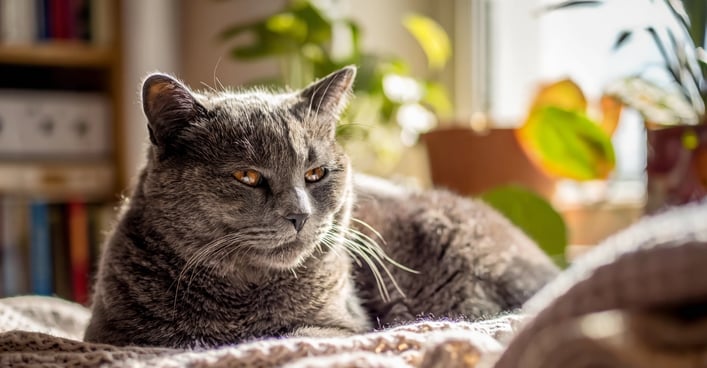
Senior Cat Health: A Complete Guide to Caring for Your Aging Feline in 2026
Your comprehensive guide to senior cat care. Learn about common health issues, nutritional needs, veterinary schedules, and home modifications to ensure your aging feline enjoys a high quality of life.
Share this page
Senior Cat Health: A Complete Guide to Caring for Your Aging Feline in 2026
Cats are living longer than ever, with many reaching their late teens and early twenties. As your feline companion ages, they face unique health challenges that require adjusted care, increased veterinary attention, and thoughtful lifestyle modifications. This comprehensive guide provides the essential knowledge to help you navigate your senior cat's golden years with confidence and compassion.
Prescription medication (e.g., selegiline) in some cases.
6. Cancer
Common Types in Senior Cats:
Lymphoma (the most common)
Squamous Cell Carcinoma (often oral)
Mammary Tumors
Intestinal Tumors
Various Skin Tumors
Warning Signs Requiring Veterinary Attention:
Any new lump or bump that persists or grows
Sores that do not heal
Unexplained, rapid weight loss
Persistent change in appetite
Chronic vomiting or diarrhea
Difficulty eating or swallowing
Lethargy and profound loss of energy
Treatment Options:
Surgical removal
Chemotherapy (generally well-tolerated by cats)
Radiation therapy
Palliative care focused on pain management and quality of life
Senior Cat Nutrition: Meeting Changing Needs
Evolving Nutritional Requirements
Protein is Paramount: Contrary to old beliefs, healthy senior cats need more high-quality, digestible protein (minimum 35-40% dry matter) to combat age-related muscle loss (sarcopenia).
Caloric Intelligence:
Many seniors need fewer calories due to reduced activity.
Some conditions (hyperthyroidism, malabsorption) increase caloric needs.
Monitor your cat's weight and body condition score monthly and adjust portions accordingly.
Special Dietary Considerations:
High digestibility to maximize nutrient absorption
Enhanced palatability for finicky appetites
Added omega-3 fatty acids for anti-inflammatory benefits
Antioxidants to support cellular health
Integrated joint support nutrients
Condition-Specific Diets
Condition
Key Diet Features
Commercial Examples
Kidney Disease
Restricted phosphorus, controlled high-quality protein
Hill's Prescription Diet k/d, Royal Canin Renal
Diabetes Mellitus
Low carbohydrate, high protein
Purina Pro Plan Veterinary Diets DM, Royal Canin Glycobalance
Hyperthyroidism
Iodine-restricted
Hill's Prescription Diet y/d
Cognitive Dysfunction
Antioxidants, omega-3s, MCTs
Hill's Prescription Diet b/d, Purina Pro Plan NeuroCare
Arthritis/Joint Health
Omega-3s, glucosamine, chondroitin
Hill's Prescription Diet j/d, Royal Canin Mobility
Practical Feeding Strategies
For the Picky Senior Eater:
Gently warm food to enhance aroma.
Add a teaspoon of low-sodium chicken broth or tuna water.
Experiment with pate, shreds, or gravy textures.
Offer smaller, more frequent meals.
Use elevated bowls for easier neck access.
For Weight Management:
Always measure portions; don't free-feed.
Use a veterinary weight management formula.
Encourage water intake with fountains or wet food.
Promote gentle exercise through interactive play.
Schedule regular weight checks at home and with your vet.
Veterinary Care: The Senior Cat Schedule
Recommended Examination Frequency
Healthy Senior (7-10 years):
Comprehensive physical exam: Annually
Blood work (CBC, Chemistry, T4) and urinalysis: Annually
Blood pressure check: Annually
Senior with Conditions (11-14 years):
Comprehensive physical exam: Every 6 months
Diagnostic blood work and urinalysis: Every 6 months (or more frequently as conditions warrant)
Geriatric Cat (15+ years):
Comprehensive physical exam: Every 3-6 months
Diagnostic blood work and urinalysis: Every 3-6 months
Blood pressure measurement: Every visit
Imaging (X-rays, ultrasound): As clinically indicated
Essential Diagnostic Screening
The Minimum Senior Database (MSDB) should include:
Complete Blood Count (CBC)
Serum Chemistry Panel
Total Thyroxine (T4) level
Complete Urinalysis with sediment exam
Blood Pressure Measurement
SDMA test (for early kidney function assessment)
Additional Tests to Consider:
Chest radiographs (for heart/lung assessment)
Abdominal ultrasound
Dental radiographs (under anesthesia)
Electrocardiogram (ECG)
FeLV/FIV testing if status is unknown
Home Care Modifications for Comfort and Safety
Litter Box Adaptations
For Cats with Arthritis:
Use boxes with low sides (3-4 inches high).
Provide larger boxes for easy turning.
Place boxes on every level of your home.
Add a shallow ramp or step if needed.
Ensure non-slip flooring around the box area.
For Cats with Cognitive Issues:
Increase the number of boxes (n+1 rule).
Keep boxes in consistent, quiet locations.
Use nightlights to illuminate paths to boxes.
Ensure clear access with no physical obstacles.
Optimizing Resting Areas
Comfort Essentials:
Heated beds provide warmth and pain relief for achy joints.
Memory foam or orthopedic bedding.
Beds with low or no entry barriers.
Multiple resting spots in quiet, draft-free areas.
Improving Accessibility:
Create "step ladders" or ramps to favorite windowsills or furniture.
Consider heated window perches for sunny relaxation.
Choose bedding that is easy to wash and keep clean.
Environmental Safety Enhancements
Key Modifications:
Install nightlights to help vision-impaired cats navigate.
Place non-slip rugs or mats on slippery hardwood or tile floors.
Block access to potentially dangerous areas (high balconies, unsafe hiding spots).
Maintain consistent daily routines to reduce anxiety.
Minimize major environmental stressors (e.g., loud guests, new pets).
Assessing Quality of Life
The HHHHHMM Scale
Veterinarians use this validated scale to help quantify quality of life. Rate each category from 0 (poor) to 10 (excellent).
Factor
Score 0-10
What to Consider
Hurt
Is pain well-controlled with medication?
Hunger
Is the cat eating enough willingly?
Hydration
Is the cat drinking adequately?
Hygiene
Is the cat able to groom itself?
Happiness
Does the cat express joy or interest?
Mobility
Can the cat move to meet its needs?
More Good Days
Are there more good days than bad?
Interpretation:
A total score above 35 generally indicates an acceptable quality of life.
A score consistently below 35 suggests it may be time to discuss more aggressive interventions or compassionate end-of-life decisions with your veterinarian.
End-of-Life Considerations
When to Discuss Euthanasia:
Persistent, uncontrollable pain or distress.
Complete refusal of food and water.
Severe, labored breathing.
Incontinence or inability to rise.
A preponderance of bad days over good days.
The cat no longer engages with people or surroundings it once loved.
Hospice/Palliative Care:
Focus shifts entirely to comfort and pain management.
Care can often be provided at home.
Involves close collaboration with your veterinarian.
Prioritizes quality of life over extending life at any cost.
Pet Insurance: Consider enrolling while your cat is still young and before age-related conditions are pre-existing. Review policies carefully for coverage limits and exclusions.
The Bottom Line: Keys to Thriving Golden Years
Caring for a senior cat is a rewarding commitment that requires more vigilance and adaptation than caring for a younger pet. By following these core principles, you can ensure your feline friend enjoys an excellent quality of life well into their teens and twenties:
Vigilant Monitoring: Be the expert on your cat's normal behavior and note subtle changes.
Proactive Veterinary Partnership: Adhere to recommended senior screening schedules for early detection.
Early Intervention: Address health issues promptly to improve outcomes and manage costs.
Tailored Nutrition: Feed a diet appropriate for your cat's age and specific health conditions.
Thoughtful Environment: Modify your home to maximize comfort, accessibility, and safety.
Quality of Life Focus: Let comfort, engagement, and happiness guide all care decisions.
The bond with a senior cat is profoundly special. They have shared your life for years, and they deserve dedicated, loving care in their golden years. With knowledge, attention, and partnership with your veterinarian, you can help your senior cat remain comfortable, content, and deeply loved throughout their journey.
Last Updated: 2026 Senior cats are treasures. Your commitment to regular veterinary care and attentive observation at home is the greatest gift you can give them, ensuring their comfort and happiness in every season of life.
Get expert advice about cat care, behavior, nutrition, grooming, and training. Ask our AI cat care expert anything about your cat and receive professional guidance.