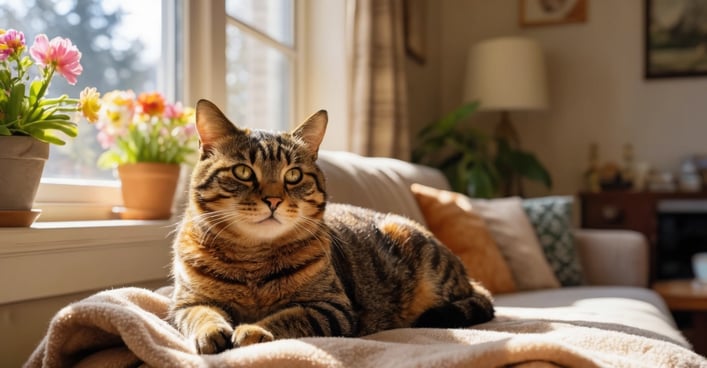
Seasonal Cat Care: A Complete Guide for Spring, Summer, Fall, and Winter 2026
Master year-round feline wellness with our expert guide. Learn essential strategies for temperature management, seasonal hazards, and health monitoring to keep your cat thriving in every season.
Share this page
Seasonal Cat Care: A Complete Guide for Spring, Summer, Fall, and Winter 2026
Meta Description: Adapt your cat care through all four seasons with this comprehensive guide. Learn about temperature management, seasonal health risks, and year-round wellness strategies.
Introduction
Seasonal cat care is the practice of adjusting your feline companion's routine to align with changing weather patterns, daylight hours, and environmental conditions. While indoor cats experience less dramatic shifts than their outdoor counterparts, factors like temperature fluctuations, humidity changes, and seasonal allergens still significantly impact their comfort and wellbeing.
Understanding each season's unique demands allows you to proactively manage your cat's environment, diet, grooming, and health. This comprehensive guide provides actionable strategies for spring, summer, fall, and winter, ensuring your cat remains healthy, comfortable, and content throughout the year.
Seasonal Cat Care: A Complete Guide for Spring, Summer, Fall, and Winter 2026 - Articles
Spring Cat Care (March–May)
Managing the Shedding Season
The Spring Coat Blow:
As daylight increases, cats shed their dense winter undercoats. This significant hair loss requires active management to prevent matting and hairballs.
Essential Grooming Strategies:
Increase brushing frequency (daily for long-haired breeds)
Utilize de-shedding tools like the Furminator or an undercoat rake
Bathe your cat if their coat becomes oily or soiled
Seek professional grooming for severely matted fur
Hairball Prevention:
Frequent grooming reduces hair ingestion
Consider vet-approved hairball remedies or laxatives
Introduce a high-fiber diet if recommended
Encourage increased water intake
Navigating Allergy Season
Feline Seasonal Allergies:
Cats can develop allergies to spring pollens, grasses, and blooming plants.
Common Symptoms:
Excessive scratching or overgrooming
Skin irritation or redness
Sneezing and watery eyes
Paw chewing
Effective Management:
Wipe your cat's paws and coat after outdoor exposure
Use HEPA air purifiers indoors
Consult your veterinarian about antihistamines or allergy testing
Consider omega-3 fatty acid supplements for skin health
Spring Cleaning Safety
Household Chemical Hazards:
Securely store all cleaning products
Ensure proper ventilation during use
Rinse surfaces thoroughly after cleaning
Explore pet-safe, natural cleaning alternatives
Toxic Plant Awareness:
Easter lilies are extremely toxic and can cause kidney failure.
Spring bulbs (tulips, daffodils) and azaleas are also dangerous.
Research any plant thoroughly before bringing it into your home.
Parasite Prevention Revival
Spring Awakening:
Warmer temperatures reactivate fleas, ticks, and heartworm-carrying mosquitoes.
Preventive Measures:
Resume or continue monthly flea/tick prevention
Administer year-round heartworm prevention, especially in endemic areas
Perform regular tick checks after outdoor time
Treat your home environment if an infestation occurs
Summer Cat Care (June–August)
Proactive Heat Management
Understanding the Risk:
Cats are susceptible to heatstroke. Brachycephalic breeds (e.g., Persians), seniors, overweight cats, and those with health conditions are at highest risk.
Ideal Indoor Environment:
Maintain home temperatures between 75–80°F (24–27°C)
Never leave a cat in a parked car
Ensure adequate air circulation
Provide access to cool, tiled surfaces
Effective Cooling Strategies:
Method
Implementation
Air Conditioning
Maintain a consistent, comfortable temperature.
Fans
Improve air circulation but ensure cats cannot access cords.
Cooling Mats
Gel-filled mats provide a cool resting spot.
Frozen Treats
Offer ice cubes in water or frozen bone broth.
Damp Cloth
Gently wipe ears, paws, and belly to aid cooling.
Elevated Beds
Allow for better air flow around your cat's body.
Heatstroke Warning Signs:
Excessive panting or drooling
Bright red tongue or gums
Lethargy, vomiting, or stumbling
Collapse
Emergency Action:
Move your cat to a cool area immediately.
Apply cool (not cold) water to ears, paws, and belly.
Offer small amounts of water.
Seek immediate veterinary care—heatstroke is life-threatening.
Ensuring Proper Hydration
Increased Summer Needs:
Provide multiple fresh water stations
Consider a pet water fountain to encourage drinking
Add water or broth to wet food
Monitor daily water intake for changes
Sun Protection for Vulnerable Cats
Sunburn and Skin Cancer Risk:
White, light-colored, and hairless breeds are most vulnerable, especially on ear tips and noses.
Protective Measures:
Keep cats indoors during peak sun hours (10 AM–4 PM)
Apply window shades or UV-blocking film
Use only veterinarian-approved pet sunscreen on exposed areas
Limit direct sun exposure
Mitigating Summer Hazards
Fourth of July & Fireworks:
Fireworks cause extreme stress and anxiety.
Keep cats securely indoors in a quiet, safe room.
Use white noise or calming music to mask sounds.
Ensure microchip information is current.
Discuss anti-anxiety options with your vet if needed.
Seasonal Pests:
Flea and tick activity peaks.
Be aware of risks from bee/wasp stings and spider/snake bites.
Continue heartworm prevention to guard against mosquitoes.
Invest in quality, reusable products over disposable ones.
Learn basic grooming techniques to reduce professional costs.
Prioritize preventive care—it's far less expensive than treating emergencies.
Maintain a healthy weight to avoid obesity-related health costs.
Conclusion
Mastering seasonal cat care is a dynamic and rewarding aspect of responsible pet ownership. By anticipating the unique challenges and opportunities each season presents—from spring shedding and summer heat to fall transitions and winter chill—you create a stable, nurturing environment that supports your cat's lifelong health and happiness.
This cyclical approach naturally integrates preventive health measures, strengthens your bond through attentive care, and allows you to enjoy the simple pleasures of each season with your feline friend. The thoughtful investments you make in seasonal adjustments—whether time, effort, or resources—are returned tenfold in the form of a vibrant, healthy companion who thrives alongside you, no matter what the forecast holds.
Get expert advice about cat care, behavior, nutrition, grooming, and training. Ask our AI cat care expert anything about your cat and receive professional guidance.