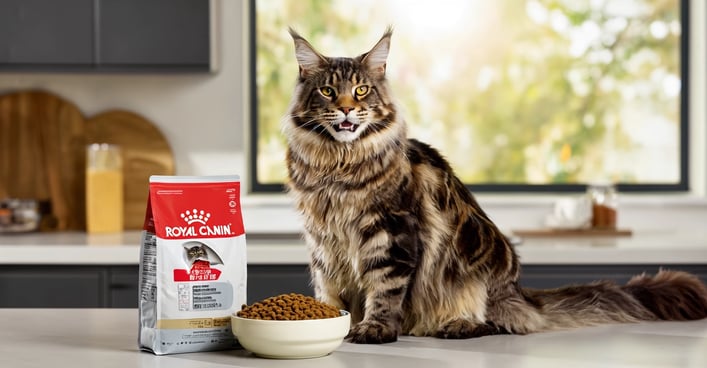
Royal Canin Cat Food Review 2026: A Complete Veterinary Guide
An expert, science-backed review of Royal Canin cat food. We analyze its veterinary diets, breed-specific formulas, ingredients, and cost to help you decide if it's right for your cat.
Share this page
Royal Canin Cat Food Review 2026: A Complete Veterinary Guide
Royal Canin distinguishes itself in the crowded pet food market through a steadfast commitment to science-based, veterinary-formulated nutrition. Founded by a veterinarian, its philosophy prioritizes precise nutrient profiles and clinical outcomes over trendy ingredient lists. This comprehensive guide provides a veterinary-level analysis of its product lines, nutritional approach, and value to help you make an informed decision for your feline companion.
Brand Overview
Company History & Philosophy
Founded: 1968 by Dr. Jean Cathary, a French veterinarian.
Headquarters: Aimargues, France.
Ownership: Acquired by Mars, Incorporated in 2001.
Core Philosophy: "Tailored nutrition for every pet."
Focus: Developing precise, evidence-based diets through extensive research and clinical testing.
Unique Market Positioning
Royal Canin's approach differs from many competitors by emphasizing:
Nutrients over ingredients: Prioritizing specific nutrient profiles for health outcomes.
Breed-specific formulations: Creating kibble shapes and nutrient blends for specific breeds.
Veterinary prescription diets: Offering therapeutic formulas available only through veterinarians.
Rigorous R&D: Conducting extensive research and clinical trials before product release.
Nutritional Philosophy: A "Nutrients First" Approach
Core Principles
Royal Canin's methodology focuses on the end nutritional result rather than the perceived quality of individual ingredients. Key aspects include:
Precise Nutrient Profiles: Ensuring optimal ratios of protein, fats, carbohydrates, vitamins, and minerals.
Bioavailability: Formulating for maximum nutrient absorption and digestibility.
Clinical Outcomes: Designing diets to produce measurable health improvements, validated through research.
Ingredient Philosophy Explained
Royal Canin utilizes ingredients that support its nutritional goals, which sometimes contradicts popular "natural" marketing trends:
Animal By-Products: Uses nutrient-dense organ meats (liver, heart, kidney), not low-quality fillers.
Grains (Corn, Wheat): Employs them as highly digestible sources of energy, fiber, and essential fatty acids.
Chicken Meal: A concentrated source of protein.
Artificial Additives: Includes colors, flavors, or preservatives only when they provide a proven clinical benefit (e.g., palatability for sick cats).
In-Depth Product Analysis
Health Nutrition Dry (Example: Indoor Adult)
Guaranteed Analysis (Typical):
Calories: 3,518 kcal/kg
Crude Protein: 27% (minimum)
Crude Fat: 11% (minimum)
Crude Fiber: 5.8% (maximum)
Veterinary Analysis:
Moderate Protein: Lower than many "premium" brands but formulated for less active indoor cats.
Higher Fiber: Aids in hairball control and promotes satiety for weight management.
Controlled Calories: Designed for the lower energy needs of indoor felines.
High Digestibility: Formulated for efficient nutrient absorption.
Breed-Specific Formulas: Are They Worth It?
Breed
Specialized Features
Targeted Needs
Maine Coon
Extra-large kibble, joint support (glucosamine, chondroitin).
Large size, joint health, cardiac support.
Persian
Almond-shaped kibble for flat faces, skin & coat nutrients.
Brachycephalic anatomy, long hair maintenance.
Siamese
Ring-shaped kibble, tailored protein for lean muscle.
Sleek body type, potential digestive sensitivity.
Ragdoll
Kibble to encourage chewing, heart-healthy nutrients.
Large size, potential for cardiac issues.
British Shorthair
Curved kibble shape, muscle support profile.
Dense, muscular build.
Effectiveness: Kibble shapes address breed-specific eating mechanics, while nutrient profiles aim to mitigate common breed predispositions. Veterinary opinions on the necessity for healthy cats vary.
Veterinary Diets: The Gold Standard
Gastrointestinal Formulas: Feature highly digestible proteins, prebiotics, and tailored fiber sources. Often critical for managing chronic digestive disorders.
Urinary Formulas: Precisely control mineral content and urine pH to dissolve and prevent crystal formation, making them essential for cats with FLUTD.
Ingredient Quality: Myths vs. Science
Addressing Common Controversies
1. By-Products:
Reality: Royal Canin uses organ meats (liver, lungs, heart), which are rich in vitamins, minerals, and amino acids.
Myth: They are not "fillers" like feathers or hooves. The negative perception is often not aligned with their nutritional value.
2. Grains (Corn/Wheat):
Royal Canin's Stance: Highly digestible, providing essential energy, fiber, and fatty acids. The company does not follow the grain-free trend without clinical cause.
Veterinary Consensus: Grains are a rare cause of allergies in cats (<1%). Grain-free diets have been linked to Dilated Cardiomyopathy (DCM) in dogs, and while the link in cats is less clear, unnecessary grain exclusion is not recommended.
Quality Control & Safety
Manufactured in company-owned facilities with stringent protocols.
Excellent track record with very few recalls.
Consistent batch-to-batch nutrient analysis ensures reliability, which is crucial for prescription diets.
Cost Analysis & Value Assessment
Retail Formula Costs (Approximate)
Product
Bag Size
Price Range
Cost per Pound
Indoor Adult
15 lb
$50 - $60
$3.33 - $4.00
Maine Coon Adult
15 lb
$55 - $70
$3.67 - $4.67
Weight Care
14 lb
$50 - $60
$3.57 - $4.29
Hairball Care
15 lb
$50 - $60
$3.33 - $4.00
Veterinary Diet Costs (Approximate)
Product
Bag Size
Price Range
Prescription Required
Urinary SO
17.6 lb
$75 - $90
Yes
Gastrointestinal
8.8 lb
$40 - $50
Yes
Renal Support
3 lb
$25 - $35
Yes
Hydrolyzed Protein
8.8 lb
$55 - $70
Yes
Estimated Monthly Feeding Costs
Cat Scenario
Recommended Formula
Estimated Monthly Cost*
Healthy Indoor Cat
Health Nutrition Indoor
$35 - $45
Purebred Maine Coon
Breed Health Nutrition
$45 - $55
Cat with Urinary Issues
Urinary SO
$60 - $75
Cat with Kidney Disease
Renal Support
$50 - $70
*Based on feeding an average 10lb cat.
Pros and Cons: A Balanced View
Advantages ✅
Unmatched in Therapeutic Diets: Prescription formulas are often the clinical gold standard.
Science-Backed: Extensive research and development inform every formula.
Veterinary Trust: Highly recommended by veterinarians worldwide.
Exceptional Safety Record: Minimal recalls and consistent manufacturing quality.
Breed-Specific Innovation: Unique approach for purebred cat owners.
High Palatability: Most cats find it very tasty, which is critical for sick or picky eaters.
Disadvantages ❌
Premium Price Point: Significantly more expensive than many commercial brands.
Moderate Protein Levels: Lower than high-protein, meat-focused competitors.
Contains Grains & By-Products: May not align with an owner's preference for "natural" or grain-free diets.
Perception Issues: Ingredient list can be off-putting to those who prioritize named meat meals.
Limited Novel Proteins: Few options for cats needing exotic protein sources.
Veterinarian Perspectives: Why They Recommend It
Primary Reasons for Endorsement
Clinical Efficacy: Prescription diets demonstrably manage and improve specific diseases.
Reliability & Consistency: Trust in precise, unchanging nutrient delivery.
Evidence-Based Formulation: Diets are created from peer-reviewed research, not marketing trends.
Proven Results: Veterinarians see positive outcomes in their patients.
Common Veterinary Critiques
Retail Formulas: May be cost-prohibitive for healthy cats when comparable nutrition exists at lower prices.
Macronutrient Profile: Protein levels could be higher for obligate carnivores.
Carbohydrate Content: Higher than a cat's ancestral diet, though digestibility is high.
Professional Rating Summary
Aspect
Veterinary Rating (Out of 10)
Prescription/Therapeutic Diets
9.5
Retail/Over-the-Counter Formulas
7.5
Research & Scientific Backing
10
Overall Trust & Recommendation
8.5
Consumer Reviews & Ratings Summary
Positive Feedback Highlights
"Life-changing" results with veterinary diets for cats with chronic conditions.
Breed-specific formulas are valued by dedicated purebred owners.
High palatability, even for notoriously picky cats.
Consistent quality and reliable supply.
Common Criticisms from Owners
Steady price increases over time.
Some cats reject the taste of certain formulas.
Desire for higher protein content and "cleaner" ingredient lists.
Strong odor from some prescription cans.
Aggregate Ratings (2026)
Platform
Average Rating
Number of Reviews
Chewy
4.4 / 5
8,000+
Amazon
4.2 / 5
5,000+
PetSmart
4.3 / 5
3,000+
Who Should (and Shouldn't) Choose Royal Canin?
Ideal For:
Cats with Medical Conditions: Where a prescription diet is clinically indicated (e.g., kidney disease, urinary crystals).
Purebred Cat Owners: Who want nutrition tailored to their breed's specific needs.
Science-First Owners: Who prioritize veterinary science and research over marketing claims.
Owners of Picky or Sick Cats: Who need a highly palatable, digestible option.
Not the Best Fit For:
Budget-Conscious Owners: Seeking the most affordable quality nutrition.
Proponents of Grain-Free/"Natural" Diets: Who are opposed to grains or by-products on principle.
Owners Seeking Very High-Protein Diets: Who prefer formulations with 40%+ protein.
Cats with Specific Ingredient Sensitivities: To common proteins like chicken or grains (though hydrolyzed options exist).
Comparison to Key Competitors
vs. Hill's Science Diet
Aspect
Royal Canin
Hill's Science Diet
Veterinary Trust
Excellent
Excellent
Prescription Focus
Strong on breed-specific & condition-specific
Very strong on condition-specific
Price Point
Similar Premium
Similar Premium
Protein Content
Generally Moderate
Generally Moderate to Slightly Higher
vs. Purina Pro Plan Veterinary Diets
Aspect
Royal Canin
Purina Pro Plan Veterinary
Veterinary Trust
Excellent
Very Good
Palatability
Excellent
Very Good
Price Point
Higher
More Moderate
Innovation
High (e.g., breed-specific)
Steady, condition-focused
vs. Blue Buffalo
Aspect
Royal Canin
Blue Buffalo
Scientific Basis
Strong, research-driven
Moderate, marketing-influenced
Ingredient Focus
Nutrients & Outcomes
"First Ingredient is Real Meat"
Price Point
Higher Premium
Mid-to-Premium
Veterinary Diets
Extensive, prescription-only
Limited, some specialized lines
Special Considerations & Final Advice
Transitioning to a Prescription Diet
Always Consult Your Vet: Never start a prescription diet without a veterinary diagnosis and recommendation.
Transition Slowly: Mix with old food over 7-10 days to avoid gastrointestinal upset.
Monitor Closely: Watch for improvements in clinical signs and report back to your vet.
Commit to Follow-ups: These diets often require ongoing veterinary monitoring.
Final Verdict & Top Picks for 2026
Overall Rating: 8.5 / 10
Royal Canin justifies its premium status and price through unparalleled scientific rigor and clinically proven therapeutic diets. For cats with specific health conditions, it is often the best—and sometimes only—effective choice. Its retail and breed-specific lines are of high quality, though the value proposition for a completely healthy cat is more debatable given the cost.
Best For: Cats requiring medical nutrition, owners who trust veterinary science, and purebred enthusiasts.
Top Recommended Products:
Urinary SO: The industry standard for managing feline lower urinary tract disease.
Gastrointestinal Fiber Response: Excellent for cats with chronic diarrhea or IBD.
Renal Support: A cornerstone of nutritional management for chronic kidney disease.
Breed Health Nutrition (Maine Coon/Persian): Provides thoughtful, tailored nutrition for these specific breeds.
Last Updated: March 2026 Disclaimer: This review is for informational purposes. Always consult your veterinarian for diagnosis and specific dietary recommendations for your cat.
Get expert advice about cat care, behavior, nutrition, grooming, and training. Ask our AI cat care expert anything about your cat and receive professional guidance.