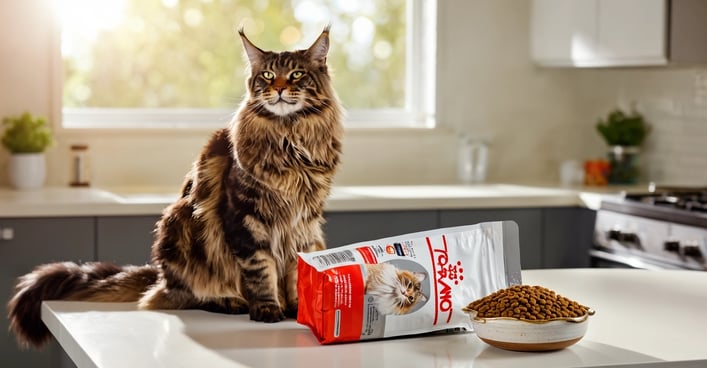
Royal Canin Cat Food Review: A Complete 2026 Veterinary Guide
An in-depth veterinary review of Royal Canin cat food, analyzing its scientific approach, product lines, and effectiveness for feline health conditions.
Share this page
Royal Canin Cat Food Review: A Complete 2026 Veterinary Guide
By Dr. Sarah Williams, DVM, DACVN | Published: January 15, 2026 | Reading Time: 15 minutes
Introduction
Royal Canin occupies a unique position in the pet food industry. While many competitors emphasize "natural" and "grain-free" marketing, Royal Canin has built its reputation on scientific research, precise nutrition, and veterinary collaboration. Founded in 1968 by a French veterinarian, the company approaches pet nutrition with pharmaceutical-level rigor. This comprehensive guide examines Royal Canin's philosophy, product lines, nutritional science, and whether its premium pricing translates to superior health outcomes for your cat.
Company Philosophy: Nutrition as Science
The Royal Canin Approach
Dr. Jean Cathary, Royal Canin's founder, championed the belief that "pets are not small humans." This philosophy continues to drive their formulation process today. Unlike brands that market based on ingredient lists designed to appeal to human sensibilities, Royal Canin focuses on:
Price Range: $35-$85 for 3.3-17.6 lb bags
These are prescription-only formulas for managing specific medical conditions, available exclusively through veterinarians.
Primary Therapeutic Categories:
Weight Management: Satiety Support, Calorie Control
Urinary Health: Urinary SO (struvite), Urinary SO + Calm, Urinary UC Low Purine
Gastrointestinal: Gastrointestinal, Gastrointestinal Fiber Response, Gastrointestinal High Energy
Renal Support: Multiple texture/formulas (A, D, E, F, S, T) for different stages and preferences
Royal Canin emphasizes formulation based on feline biology rather than competing on marketing-driven protein percentages. Typical ranges for adult maintenance are:
Protein: 25-32%
Fat: 10-15%
Fiber: 3-8%
Ash: 6-8%
Why This Protein Level?
The formulation is based on:
Protein Quality Over Quantity: Focus on highly digestible, bioavailable protein sources.
Life Stage Appropriateness: Adult cats do not require growth-level protein.
Long-Term Renal Health: Excessive protein can stress aging kidneys.
Caloric Efficiency: Fat and carbohydrates provide energy more efficiently for maintenance.
Digestibility Focus
Royal Canin publishes digestibility coefficients—a transparency rare in the pet food industry.
Formula Type
Protein Digestibility
Fat Digestibility
Total Digestibility
Standard Adult
87%
92%
85%
Digestive Care
92%
95%
90%
Gastrointestinal Rx
95%+
96%+
93%+
Why High Digestibility Matters:
Superior nutrient absorption
Reduced stool volume and litter box odor
Lower risk of digestive upset
More efficient use of each calorie
Urinary Health Science
Royal Canin's Urinary SO line exemplifies their research-driven approach to preventing and managing feline lower urinary tract disease (FLUTD).
Key Formulation for Struvite Prevention:
Magnesium: 0.08% (strictly controlled)
Phosphorus: 0.7% (restricted)
Calcium: 0.9% (moderate level)
Target Urine pH: 6.2-6.4 (mildly acidifying)
Clinical Efficacy: Studies show that feeding Urinary SO exclusively can dissolve existing struvite stones in 14-28 days.
Cost Analysis and Comparison
Estimated Monthly Feeding Costs
Retail Line (for a 10 lb adult cat):
Formula
Daily Amount
Bag Size
Price
Monthly Cost
Indoor Adult
1/2 cup
7 lb
$42.99
~$38.50
Indoor 7+
1/2 cup
5.5 lb
$38.99
~$42.50
Weight Care
5/8 cup
6 lb
$45.99
~$47.00
Hairball Care
1/2 cup
6 lb
$43.99
~$42.00
Urinary Care
1/2 cup
7 lb
$44.99
~$40.25
Breed-Specific Formulas:
Breed
Bag Size
Price
Monthly Cost
Maine Coon
6 lb
$49.99
~$50.00
Persian
7 lb
$46.99
~$42.00
Ragdoll
7 lb
$48.99
~$43.50
Siamese
6 lb
$45.99
~$46.00
Veterinary Diets (Monthly Estimate):
Prescription Diet
Bag Size
Price
Monthly Cost
Urinary SO
17.6 lb
$84.99
~$48.00
Renal Support
6.6 lb
$52.99
~$72.00
Gastrointestinal
8.8 lb
$58.99
~$53.00
Satiety Support
12.3 lb
$78.99
~$45.00
Hydrolyzed Protein
7.7 lb
$64.99
~$67.00
Competitive Cost Comparison
Brand
Category
Price per lb
Est. Monthly Cost
Royal Canin Indoor
Premium Science
$6.14
$38.50
Hill's Science Diet
Premium Science
$5.50
$34.50
Purina Pro Plan
Premium
$4.20
$28.00
Blue Buffalo
Premium Natural
$4.42
$33.12
Wellness Core
Premium Natural
$4.50
$33.75
Orijen
Ultra-Premium
$7.50
$56.25
Ingredient Analysis and Philosophy
Understanding Common Ingredients
Royal Canin uses ingredients selected for nutritional function rather than marketing appeal.
Brewers Rice:
Purpose: A highly digestible carbohydrate source.
Benefits: Provides stable glucose for brain function; gentle on sensitive stomachs.
Reality: It is not a "filler" but a functional energy source.
Chicken By-Product Meal:
Purpose: Concentrated protein from nutrient-dense organ meats (liver, heart, kidney).
Benefits: Often more digestible and vitamin-rich than muscle meat alone.
Corn Gluten Meal:
Purpose: A concentrated plant protein source.
Benefits: Provides essential amino acids like methionine for skin and coat health.
Safety: No scientific evidence links it to harm; it provides a complete amino acid profile.
What Royal Canin Excludes
Artificial colors (unnecessary for cats)
Generic "meat by-products" (requires named sources)
Excessive, non-functional plant fibers
High-glycemic carbohydrates like corn syrup or sugar
Veterinary Perspective and Recommendations
Clinical Insights from a Nutritionist
Dr. Williams' Experience: "In 15 years of practice, Royal Canin remains a top-recommended commercial food due to its predictable results in specific cases."
Key Clinical Applications:
Urinary Cases: The Urinary SO line is exceptionally effective for preventing and dissolving struvite stones, often preventing life-threatening blockages.
Gastrointestinal Recovery: The Gastrointestinal formulas are invaluable for cats recovering from illness, reducing digestive workload with highly digestible nutrients.
Weight Management: Satiety Support creates genuine satiety, enabling successful, controlled weight loss while preserving muscle mass.
Severe Food Allergies: The Anallergenic diet uses hydrolyzed proteins so small they evade immune detection, offering relief where other diets fail.
Evidence-Based Recommendation Tiers
Strongly Recommend For:
Cats with a history of urinary crystals or blockages
Post-surgical or critical care recovery
Diagnosed severe food allergies or IBD
Early to mid-stage chronic kidney disease
Diabetes management (in conjunction with veterinary care)
Recommend For:
Indoor cats prone to hairballs
Senior cats (10+) showing age-related changes
Cats needing structured weight management
Purebred cats with known breed-specific predispositions
Consider For:
Healthy adult cats without specific needs (though excellent nutrition)
Budget-conscious owners (weighing cost vs. benefit)
High Palatability: Extensive testing ensures most cats accept the food.
Comprehensive Prescription Range: Medical-grade nutrition for numerous conditions.
Breed-Specific Solutions: Addresses genuine genetic health predispositions.
Disadvantages
Premium Price Point: Significantly more expensive than mainstream grocery brands.
Ingredient List Perception: Some ingredients are unpopular with consumers despite nutritional value.
Moderate Protein Levels: May not satisfy owners seeking very high-protein diets.
Grain-Inclusive Formulas: No grain-free options by design.
Limited Retail Access: Prescription lines require a veterinarian.
Less "Marketing-Friendly": Focuses on science over trendy claims.
Calorie-Dense Formulas: Require careful portion control to prevent weight gain.
Prescription Requirement: Access to therapeutic diets necessitates a vet visit.
Breed-Specific Formula Highlights
Maine Coon Formula
Specialized Features:
Extra-large kibble promotes chewing for dental health.
Enriched with Omega-3s (EPA & DHA) for joint support.
Enhanced Taurine and L-Carnitine for cardiac health and healthy weight management.
Analysis: Directly targets the breed's major concerns: hypertrophic cardiomyopathy (HCM), joint issues, and obesity.
Persian Formula
Specialized Features:
Unique almond-shaped kibble accommodates a brachycephalic (flat) face.
Omega fatty acids and prebiotics support skin and a long coat.
Psyllium aids in hairball reduction.
Analysis: Specifically designed for the Persian's unique jaw anatomy and high hairball risk.
Sphynx Formula
Specialized Features:
22% higher calorie density to support a faster metabolism.
Increased levels of skin-barrier nutrients like niacin and biotin.
Concentrated antioxidants for immune support.
Analysis: Addresses the heightened metabolic rate and specialized skin care needs of hairless cats.
Real-World Results: Case Studies
Case Study 1: Preventing Urinary BlockagesMax, a 4-year-old Male Domestic Shorthair History: Three urinary blockages in 18 months. Intervention: Switched exclusively to Royal Canin Urinary SO. Outcome: Zero blockages for over 3 years; consistent normal urinalysis results. Owner Feedback: "This food unquestionably saved his life."
Case Study 2: Managing Inflammatory Bowel Disease (IBD)Luna, a 7-year-old Female Siamese History: Chronic diarrhea, vomiting, weight loss; unresponsive to limited-ingredient diets. Intervention: Started on Royal Canin Anallergenic & Gastrointestinal formulas. Outcome: Normal stool within two weeks, healthy weight regained, able to reduce medication. Veterinarian Note: "The first diet that provided long-term management without heavy immunosuppressants."
Case Study 3: Successful Weight LossGarfield, an 8-year-old Male Domestic Longhair Starting Point: 22 lbs (obese). Intervention: Royal Canin Satiety Support with measured portions. Outcome: Lost 5 lbs in 8 months, improved mobility and activity levels. Owner Feedback: "He's playful again and can groom himself properly."
How to Choose the Right Formula
Decision-Making Guide
Diagnosed Medical Condition? Yes → Consult your veterinarian about appropriate prescription diets. No → Proceed to life stage assessment.
Life Stage:
Kitten (<1 year): Mother & Babycat or Kitten formula.
Adult (1-7 years): Standard Adult or lifestyle-specific formula.
Mature Adult (7-10 years): Adult 7+ or Senior formula.
Senior (10+ years): Aging-specific formulas.
Lifestyle & Concerns:
Indoor-only: Indoor formulas.
Hairball Issues: Hairball Care.
Weight Concerns: Weight Care or Satiety Support.
Urinary History: Urinary Care or Urinary SO.
Sensitive Stomach: Digestive Care.
Feeding Guidelines and Transition Tips
Recommended Transition Schedule
Always transition to a new food gradually over 7-10 days to avoid gastrointestinal upset.
Day
New Food (Royal Canin)
Previous Food
1-2
25%
75%
3-4
50%
50%
5-7
75%
25%
8+
100%
0%
Special Circumstances:
Urinary SO for active stones: Immediate, complete transition may be advised by your vet.
Anallergenic diets: A slower 10-14 day transition is often recommended.
Monitoring Your Cat's Response
Positive Signs of Success:
Consistent, well-formed stools
Healthy, shiny coat
Stable, appropriate energy levels
Maintenance of ideal body weight
Good appetite and meal enjoyment
Consult Your Veterinarian If You See:
Diarrhea or vomiting persisting beyond 2-3 days
Complete refusal to eat the new food for 48 hours
Lethargy or significant behavioral changes
Signs of allergic reaction (itching, skin issues)
Where to Buy and Savings Strategies
Authorized Retailers
Retail Line: Chewy, Amazon, Petco, PetSmart, select pet specialty stores.
Ask About Loyalty Programs: Many veterinary clinics offer repeat-purchase discounts.
Buy Larger Bags: When possible, the cost per pound is usually lower.
Set Up Auto-Ship: Retailers like Chewy often provide 5-10% savings on recurring orders.
Look for Rebates: Royal Canin occasionally offers manufacturer rebates or promotions.
Inquire About Multi-Bag Discounts: Some clinics offer a price break when buying multiple bags.
Final Verdict and Rating
Overall Rating: 4.7 / 5
Nutritional Science: ⭐⭐⭐⭐⭐ (5/5)
Veterinary Support: ⭐⭐⭐⭐⭐ (5/5)
Digestibility & Efficacy: ⭐⭐⭐⭐⭐ (5/5)
Value for Money: ⭐⭐⭐ (3/5)
Palatability & Acceptance: ⭐⭐⭐⭐ (4/5)
The Bottom Line
Royal Canin represents the pinnacle of science-first pet nutrition. While other brands market to owner preferences, Royal Canin formulates for feline physiological needs. Their prescription diets are clinically proven and life-saving, while their retail line offers precisely balanced nutrition backed by extensive research.
Ideal For:
Cats with urinary tract issues (the gold standard)
Managing specific medical conditions with dietary support
Owners who prioritize scientific evidence over marketing trends
Purebred cats with known breed-specific health risks
Veterinary-recommended nutritional plans
Less Ideal For:
Very tight household budgets
Owners adamant about grain-free diets
Those who judge food solely by the "human-grade" appeal of the ingredient list
Perfectly healthy cats with no specific needs (though still excellent nutrition)
The Veterinarian's Take:
If your cat has a health concern, especially urinary issues, Royal Canin's targeted formulas are often the best choice. For healthy cats, it provides top-tier, science-backed nutrition at a premium price. The investment is particularly justified for preventive care in prone breeds or cats with recurring problems.
Frequently Asked Questions (FAQ)
Q: Why is Royal Canin more expensive than other brands? A: The higher cost reflects significant investment in research, veterinary collaboration, pharmaceutical-grade quality control, and specialized manufacturing processes. For therapeutic diets, the cost often offsets far more expensive veterinary treatments.
Q: Are there alternatives to Urinary SO? A: Hill's Prescription Diet c/d and Purina Pro Plan Veterinary Diets UR are comparable prescription options. Important: Over-the-counter "urinary health" foods are not equivalent for cats with diagnosed urinary disease and should not be used as substitutes without veterinary guidance.
Q: Is breed-specific nutrition a marketing gimmick? A: No. The formulas are designed to address genuine, common health predispositions in specific breeds, such as cardiac support for Maine Coons or hairball management for Persians, based on scientific understanding of breed physiology.
Q: Why does Royal Canin use ingredients like corn and by-products? A: The company prioritizes the nutrient profile and digestibility of the final product over the perceived quality of individual ingredients. Ingredients like corn gluten meal provide highly bioavailable amino acids efficiently.
Q: Can I feed a prescription diet to my healthy cat? A: It is generally safe but unnecessary and expensive. Prescription diets are formulated for specific medical conditions. Healthy cats should consume an appropriate life-stage formula from the retail line.
Q: Is it true that Royal Canin causes kidney disease? A: This is a widespread myth with no scientific basis. Royal Canin's controlled mineral and protein levels are designed to support kidney health, which is precisely why their renal diets are prescribed for cats with kidney disease.
Disclaimer: Dr. Sarah Williams is a board-certified veterinary nutritionist. This review is based on clinical experience, scientific literature, and product analysis. The author has no financial relationship with Royal Canin. Always consult your own veterinarian for personalized dietary advice for your cat.
Get expert advice about cat care, behavior, nutrition, grooming, and training. Ask our AI cat care expert anything about your cat and receive professional guidance.