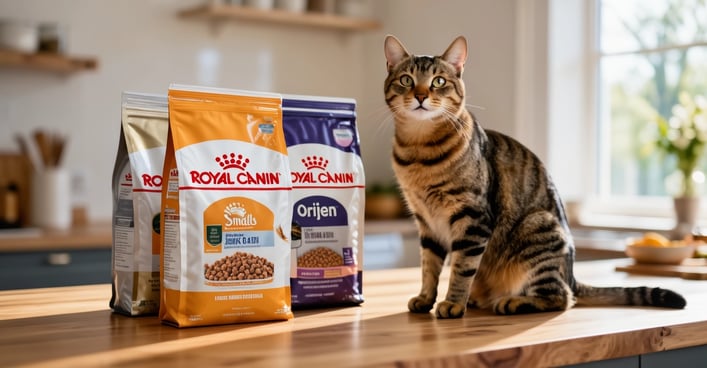
Premium Cat Food Brands Comparison: Finding the Best Nutrition for Your Feline in 2026
Compare top premium cat food brands like Smalls, Royal Canin, and Orijen. Discover which offers the best nutrition, value, and benefits for your cat's unique needs.
Share this page
Premium Cat Food Brands Comparison: Finding the Best Nutrition for Your Feline in 2026
Choosing the right food is one of the most impactful decisions you'll make for your cat's health and longevity. With countless options on the market, premium cat foods distinguish themselves through superior ingredients, rigorous quality control, and scientifically formulated nutrition. This comprehensive 2026 guide compares the leading premium brands to help you make an informed, confident choice for your feline companion.
What Makes Cat Food "Premium"?
Premium cat foods are defined by several key factors that elevate them above budget options, directly influencing your cat's health, vitality, and lifespan.
Quality of Ingredients
Premium brands prioritize high-quality, named protein sources as the first ingredient, avoiding the fillers and by-products common in economy foods.
Named Meat Proteins: Chicken, turkey, salmon, etc., rather than vague "meat meal."
Human-Grade Standards: Ingredients often processed in facilities meeting strict human-food safety protocols.
Minimal Processing: Preservation of natural nutrients with fewer artificial additives.
Natural Preservatives: Use of mixed tocopherols (Vitamin E) instead of synthetic preservatives like BHA or BHT.
Premium Cat Food Brands Comparison: Finding the Best Nutrition for Your Feline in 2026 - Articles
Manufacturing & Safety Standards
Top-tier brands maintain exceptional control over their production process.
In-House Facilities: Manufacturing in company-owned plants with stringent safety protocols.
Third-Party Testing: Regular independent verification for contaminants and nutritional accuracy.
Full Traceability: Ability to track ingredients from source to final product.
AAFCO Compliance: Formulated to meet or exceed the nutritional profiles established by the Association of American Feed Control Officials.
Research & Development
Leading brands invest heavily in veterinary science and feline-specific research.
Expert Formulation: Recipes developed by board-certified veterinary nutritionists.
Clinical Backing: Many health claims are supported by feeding trials and scientific studies.
Life-Stage Specific: Tailored nutrition for kittens, adults, and seniors.
Condition-Support Formulas: Specialized diets for weight management, urinary health, and sensitivities.
Top Premium Cat Food Brands Compared
Smalls Fresh Cat Food
Price Range: $2.00–$4.00 per day
Smalls has redefined premium nutrition with its fresh, human-grade, subscription-based model, delivering gently cooked food directly to your door.
Key Features:
Human-Grade Ingredients: Sourced from USDA-certified suppliers.
Minimal Processing: Gently cooked to preserve nutrients and flavor.
Texture Options: Available in minced and pâté styles.
Clean Recipes: No artificial preservatives, fillers, or by-products.
Nutritional Profile:
Formulas typically contain 50–65% protein on a dry matter basis—significantly higher than most commercial kibble. The Fresh Ground Bird recipe, for example, lists chicken and chicken liver as the top ingredients.
Cost Analysis:
Small Cat (8 lbs): ~$60–75/month
Average Cat (10 lbs): ~$75–98/month
Large Cat (14 lbs): ~$98–120/month
Best For: Owners seeking the ultimate in fresh, minimally processed nutrition with the convenience of home delivery.
Royal Canin
Price Range: $0.75–$2.50 per day
Royal Canin is the gold standard in veterinary-recommended nutrition, emphasizing precise science over marketing trends.
Key Features:
Breed-Specific Formulas: Tailored nutrition for Persians, Maine Coons, Siamese, and more.
Veterinary Science: Extensive research backs every product line.
Therapeutic Diets: Prescription formulas (Royal Canin Veterinary Diet) for specific health conditions.
Life-Stage Precision: Different nutrient profiles for kittens, adults, and seniors.
Product Lines:
Feline Health Nutrition: Core wellness formulas.
Breed Health Nutrition: Addresses unique physiological needs of specific breeds.
Veterinary Diet: Available through veterinarians for medical management.
Cost Analysis:
Dry Food: $25–65 per 7–15 lb bag
Wet Food: $1.50–3.00 per can
Monthly Estimate: $25–75
Best For: Cats with specific breed traits, health conditions, or owners who prioritize veterinary-backed nutritional science.
Hill's Science Diet
Price Range: $0.60–$2.00 per day
As the #1 veterinarian-recommended brand, Hill's Science Diet combines clinical research with practical nutrition developed at their Global Pet Nutrition Center.
Key Features:
Scientifically Formulated: By board-certified veterinary nutritionists.
Clinically Proven: Health benefits supported by evidence.
Preventive Focus: Formulas designed to support long-term health.
No Artificial Additives: Free from colors, flavors, and preservatives.
Product Lines:
Life Care: Nutrition for every life stage.
Perfect Weight: Weight management solutions.
Oral Care: Kibble designed for dental health.
Prescription Diet: Therapeutic nutrition available through vets.
Cost Analysis:
Dry Food: $20–55 per bag
Wet Food: $1.25–2.50 per can
Monthly Estimate: $20–60
Best For: Owners who trust veterinary recommendations and want scientifically validated nutrition.
Blue Buffalo
Price Range: $0.50–$1.50 per day
Blue Buffalo helped pioneer the natural pet food movement, emphasizing real meat and recognizable ingredients, famously featuring their LifeSource Bits.
Key Features:
LifeSource Bits: Cold-formed kibble pieces with a blend of antioxidants, vitamins, and minerals.
Real First Ingredient: Named meat is always #1.
No By-Product Meals: Avoids poultry by-product meals.
Flexible Options: Offers both grain-inclusive and grain-free lines.
Product Lines:
Blue Wilderness: High-protein, grain-free recipes.
Life Protection Formula: Balanced nutrition with wholesome grains.
True Solutions: Targeted recipes for specific needs.
Natural Veterinary Diet: Prescription formulas.
Cost Analysis:
Dry Food: $15–45 per bag
Wet Food: $1.00–2.00 per can
Monthly Estimate: $15–45
Best For: Owners seeking natural ingredients and flexible formulas at a mid-premium price point.
Orijen
Price Range: $1.00–$2.50 per day
Orijen champions a "Biologically Appropriate" philosophy, crafting foods that mirror the nutrient-rich, protein-dense diet of a cat's wild ancestors.
Key Features:
High Animal Inclusion: 85–90% of ingredients are animal-based.
WholePrey Ratios: Includes meat, organs, and cartilage.
Regional Sourcing: Fresh ingredients from local farmers and fishermen.
Low Carbohydrate: Limited carbs from fruits and vegetables.
Nutritional Philosophy:
Emphasizes rich, varied animal protein (minimum 40% protein) with a significant portion as fresh or raw ingredients.
Cost Analysis:
Dry Food: $35–75 per 12 lb bag
Freeze-Dried: $50–90 per 18 oz bag
Monthly Estimate: $30–75
Best For: Owners committed to maximum protein content and a diet modeled after a cat's natural physiology.
Wellness Core
Price Range: $0.60–$1.75 per day
Wellness Core is the grain-free, high-protein line from Wellness Pet Food, focusing on natural, wholesome ingredients without artificial additives.
Key Features:
Grain-Free Focus: All Core formulas are grain-free.
High Protein: Formulated with increased protein levels.
No Artificial Additives: Free from by-products and synthetic preservatives.
Product Lines:
Wellness Core: High-protein, grain-free dry and wet food.
Wellness Complete Health: Balanced recipes that include grains.
Signature Selects: Premium wet food in gourmet textures.
Cost Analysis:
Dry Food: $18–40 per bag
Wet Food: $1.25–2.25 per can
Monthly Estimate: $18–50
Best For: Owners looking for reliable, grain-free options with a strong nutritional profile.
Instinct (Nature's Variety)
Price Range: $0.70–$2.00 per day
Instinct specializes in bringing the benefits of raw nutrition into convenient formats, like raw-coated kibble and freeze-dried raw.
Key Features:
Raw-Inspired Nutrition: Freeze-dried raw pieces, raw-coated kibble, and frozen options.
High-Quality Proteins: Features cage-free chicken and grass-fed beef.
Digestive Support: Includes proprietary probiotics.
Minimal Processing: No artificial colors or preservatives.
Product Lines:
Raw Boost: Kibble mixed with freeze-dried raw pieces.
Original: Grain-free recipes.
Limited Ingredient Diet: For cats with sensitivities.
Frozen Raw: Pure, frozen raw patties.
Cost Analysis:
Dry Food: $20–50 per bag
Wet Food: $1.50–2.75 per can
Monthly Estimate: $20–60
Best For: Owners interested in the benefits of raw feeding but who want the convenience of commercial products.
Investing in premium food is an investment in your cat's health. Here’s how costs typically break down:
Budget vs. Premium: The Long-Term View
Economy/Budget Brands ($15–25/month): Lower upfront cost but may lead to higher potential long-term veterinary expenses due to poorer nutritional quality.
Mid-Premium Brands ($25–50/month): Offers a solid nutritional foundation with good value, often reducing common diet-related issues.
Ultra-Premium Brands ($50–120/month): Highest upfront cost, but frequently correlates with optimal health, reduced vet visits, and enhanced quality of life.
Factors That Influence Your Final Cost
Cat's Size & Metabolism: Larger or more active cats require more calories.
Wet vs. Dry vs. Mixed: Wet food is more expensive but provides crucial hydration.
Subscription Discounts: Services like Smalls offer savings for auto-delivery.
Special Dietary Needs: Prescription or limited-ingredient diets often cost more.
How to Choose the Best Premium Food for Your Cat
Key Questions to Guide Your Decision
What is your cat's life stage and health status? A kitten, a senior, and a cat with kidney disease have vastly different nutritional requirements.
What is your feeding philosophy? Do you prefer fresh, raw-inspired, grain-free, or science-led nutrition?
Does your cat have known sensitivities? This may narrow your search to limited-ingredient or novel protein formulas.
What is your realistic monthly budget? Consistent feeding of a high-quality mid-tier food is better than inconsistent feeding of the most expensive option.
How important are veterinary endorsements to you? Brands like Hill's and Royal Canin have deep roots in veterinary practice.
Transitioning to a New Food Safely
A sudden switch can upset your cat's stomach. Follow this gradual transition over 7–10 days:
Days 1–3: Mix 25% new food with 75% old food.
Days 4–6: Shift to a 50/50 blend.
Days 7–9: Use 75% new food with 25% old food.
Day 10: Fully transition to 100% new food.
Monitor your cat's appetite, energy, and stool consistency throughout the process.
Final Thoughts
Premium cat food represents a meaningful investment in your cat's health, potentially influencing their energy, coat quality, immune function, and lifespan. While the initial cost is higher, the long-term benefits—including potentially lower veterinary bills and a happier, healthier cat—are significant.
The "best" brand is the one that aligns with your cat's unique biological needs, your personal values regarding ingredients and processing, and your household budget. Whether you choose the fresh convenience of Smalls, the scientific precision of Royal Canin, or the protein-rich philosophy of Orijen, you are taking a proactive step toward optimal feline wellness.
Always consult your veterinarian for personalized advice, especially for cats with health concerns. Observe how your cat thrives on their new diet, because the ultimate judge of a food's quality is your feline friend's health and happiness.
Related Articles:
Best Wet Cat Food for Picky Eaters in 2026
Grain-Free vs. Grain-Inclusive Cat Food: A Balanced Look
The Complete Guide to Raw Cat Food: Benefits, Risks, and Safety
Homemade Cat Food: Recipes, Guidelines, and Essential Nutrients
Get expert advice about cat care, behavior, nutrition, grooming, and training. Ask our AI cat care expert anything about your cat and receive professional guidance.