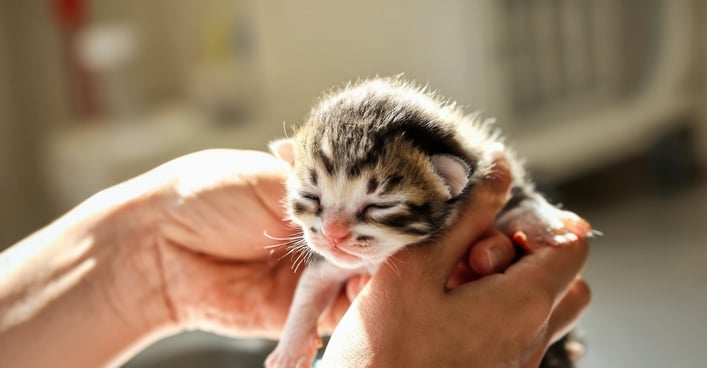
Newborn Kitten Care: Your Complete Guide to the First 8 Weeks
Master the essentials of newborn kitten care. Learn feeding, temperature control, health monitoring, and emergency protocols to give fragile kittens the best start in life.
Share this page
Newborn Kitten Care: Your Complete Guide to the First 8 Weeks
Caring for newborn kittens is one of the most rewarding yet challenging responsibilities in animal care. Whether you're assisting a mother cat with her litter or hand-raising orphaned babies, understanding the critical first eight weeks is essential for their survival and well-being.
This comprehensive guide covers everything from creating the perfect environment to recognizing emergencies, empowering you to give these fragile lives the best possible start.
Cannot self-regulate body temperature until 3-4 weeks
Require consistent external heat sources
Cold kittens cannot properly digest food
Hypothermia is a life-threatening emergency
Essential Supplies
Must-Have Items
Item
Purpose
Approximate Cost
Kitten Milk Replacer (KMR)
Essential nutrition
$8-15 per can
Nursing bottles
For feeding
$5-10
Miracle Nipple
Easier feeding experience
$8-12
Digital kitchen scale
Crucial for weight monitoring
$15-30
Heating pad
Safe temperature control
$15-25
Thermometer
Health monitoring
$10-15
Soft blankets or towels
Bedding
$10-20
Stimulation supplies (soft cloths)
For elimination assistance
$5-10
Recommended Brands
Milk Replacers:
KMR (Kitten Milk Replacer): Most widely available and trusted
Breeder's Edge Foster Care: Premium option with added nutrients
PetAg Esbilac: Reliable alternative formula
Feeding Equipment:
Pet Nurser bottles
Miracle Nipple (often easiest for kittens to latch onto)
1cc syringes for very small or weak kittens
Creating the Right Environment
Nest Setup
Container:
Use a large cardboard box or plastic storage bin
High sides prevent wandering and drafts
Should be easy to clean and disinfect
Provide space for the mother cat if she is present
Bedding:
Soft, washable blankets or towels
Avoid loose threads (entanglement risk)
Use multiple layers for easy changing
Do not use cedar or pine shavings (toxic oils)
Heating:
Place a heating pad on the LOW setting
Cover with several layers of towels
Position the pad under only half of the nest
This allows kittens to move away if they become too warm
Temperature Requirements
Age
Required Ambient Temperature
0-1 week
85-90°F (29-32°C)
1-2 weeks
80-85°F (27-29°C)
2-3 weeks
75-80°F (24-27°C)
3-4 weeks
70-75°F (21-24°C)
4+ weeks
Room temperature is acceptable
Warning Signs:
Too Cold: Lethargy, cold to the touch, persistent crying, refusal to eat
Too Hot: Panting, restlessness, spreading out away from the heat source
Feeding Newborn Kittens
Milk Replacer Preparation
Mixing Instructions:
Use room temperature or slightly warm water
Mix powder according to package directions precisely
Refrigerate mixed formula (maximum 24 hours)
Warm to approximately 100°F (38°C) before feeding
Never microwave (creates dangerous hot spots)
Test temperature on your wrist, like baby formula
Feeding Schedule:
Age
Feeding Frequency
Amount per Feeding
0-1 week
Every 2 hours
2-6 ml
1-2 weeks
Every 3-4 hours
6-10 ml
2-3 weeks
Every 4-5 hours
10-14 ml
3-4 weeks
Every 5-6 hours
14-18 ml
4+ weeks
Begin weaning
Supplement with kitten gruel
Bottle Feeding Technique
Positioning is Critical:
Never feed kittens on their backs
Place them on their stomachs with head slightly elevated
Mimic the natural nursing position
This supports proper swallowing and prevents aspiration
Bottle Preparation:
Cut the nipple hole to an appropriate size
It should drip slowly when inverted
Too large: High risk of aspiration (milk entering lungs)
Too small: Causes frustration and air swallowing
Feeding Process:
Warm formula to body temperature (approx. 100°F)
Position the kitten properly
Allow the kitten to suckle at its own pace
Burp gently after feeding by holding upright and patting the back
Never force-feed or rush the process
Amount Guidelines:
Feed until the kitten stops actively suckling
General rule: 8 ml of formula per ounce of body weight per day
Divide the total daily amount into scheduled feedings
Small, frequent meals are better than large, infrequent ones
Common Feeding Problems
Aspiration (Milk in Lungs):
Signs: Coughing, sneezing, or gasping during/after feeding
Immediate Action: Stop feeding, hold kitten upside down, tap gently on back, contact a veterinarian immediately
Diarrhea:
Often caused by overfeeding or improperly mixed formula
Check mixing ratios carefully
May require probiotic supplements (consult a vet)
Monitor closely for signs of dehydration
Constipation:
Hard, dry stools or no stool production
Increase hydration (offer a drop of water on gums between feeds)
Gentle tummy massage in a clockwise motion
Call a vet if no stool for 48 hours
Refusing the Bottle:
Check formula temperature
Try a different nipple style (e.g., Miracle Nipple)
Rule out underlying illness
May require temporary syringe feeding (be extremely careful)
Elimination Stimulation
Why Stimulation is Necessary
Newborn kittens cannot urinate or defecate on their own. A mother cat stimulates elimination by licking. Without this assistance, waste products build up and become toxic, which can be fatal.
Stimulation Technique
Supplies Needed:
Soft cloth, cotton ball, or gauze pad
Warm water
Gentle touch
Process:
Dampen the cloth with warm water
Gently rub the genital and anal area
Use a soft, circular motion
Continue until the kitten eliminates
Clean the area thoroughly and dry the kitten completely
Schedule:
Before each feeding
After each feeding
Anytime the kitten seems restless or uncomfortable
What to Expect:
Urine: Pale yellow, should be produced at every stimulation
Signs: Cold to the touch, extreme lethargy, refusal to eat, weak or absent cry.
Treatment:
Gradual warming over 1-2 hours is crucial
Use warm water bottles wrapped in towels
Heating pad on low under half the nest
NEVER feed a cold kitten (their digestive system shuts down)
Emergency veterinary care if severe
Dehydration
Signs: Skin "tenting" (stays up when pinched), dry/sticky gums, sunken eyes, lethargy.
Treatment:
Offer unflavored Pedialyte between formula feedings
Subcutaneous fluids (must be administered by a vet)
Increase feeding frequency with properly mixed formula
Address the underlying cause (diarrhea, overheating, etc.)
Upper Respiratory Infections (URIs)
Signs: Sneezing, nasal discharge (clear or colored), eye discharge ("crusty" eyes), loss of appetite.
Treatment:
Requires veterinary-prescribed antibiotics
Keep eyes and nose clean with a warm, damp cloth
Use a humidifier in the room to ease breathing
Isolate from other cats to prevent spread
Weaning Process (4-8 Weeks)
Introduction to Solid Food
Week 4:
Begin offering "kitten gruel"
Mix KMR with high-quality, pate-style canned kitten food
Start with a 3:1 ratio (formula to food)
Offer on a shallow saucer or plate
Week 5:
Thicken the gruel to a mushier consistency
Move to a 2:1 ratio
Offer 3-4 times daily
Continue to supplement with bottle feedings
Week 6:
Mash food with much less liquid
Begin leaving a small amount of dry kitten kibble available
Significantly reduce bottle feedings
Most kittens will be eating independently
Weeks 7-8:
Should be fully weaned
Eating solid kitten food exclusively
Drinking water from a shallow bowl
Socially ready for new homes
Litter Box Training
Starting at 3-4 Weeks:
Place a very shallow litter box in the nest/play area
Use only non-clumping, unscented litter (kittens may ingest it)
Gently place the kitten in the box after meals and naps
Take their front paw and gently scratch the litter
Tips for Success:
Keep the box immaculately clean
Praise enthusiastically for successful use
If accidents happen, place the waste in the litter box
Be patient—accidents are a normal part of the learning process
Cost Breakdown (2026 Estimates)
Initial Setup Costs
Item
Approximate Cost
Kitten milk replacer (initial supply)
$30 - $50
Bottles, nipples, and feeding syringes
$15 - $25
Safe heating pad
$15 - $25
Digital kitchen scale
$15 - $30
Bedding, towels, and cleaning supplies
$20 - $40
Thermometer
$10 - $15
Total Initial Investment
$105 - $185
Recurring Weekly Costs
Item
Approximate Weekly Cost
Formula
$15 - $25
Kitten food (during weaning)
$10 - $15
Litter
$5 - $10
Miscellaneous (wipes, etc.)
$5 - $10
Total Weekly
$35 - $60
Veterinary Costs
Service
Approximate Cost
Initial wellness check
$50 - $100
Deworming treatment
$15 - $30
First vaccination set (at 8 weeks)
$40 - $80
Emergency visit (if required)
$100 - $500+
Total Estimated per Kitten
$105 - $710+
Emergency Situations
When to Call the Vet Immediately
Not eating for 12+ hours
Any weight loss or failure to gain for 24 hours
Diarrhea accompanied by lethargy
Constipation (no stool for 48 hours)
Difficulty breathing, wheezing, or gasping
Extreme lethargy (unresponsive to touch)
Vomiting
Bloated or painfully distended abdomen
Eye infection (swelling, pus, sealed shut)
Any sudden, dramatic change in behavior or condition
24-Hour Emergency Protocol
Keep your veterinarian's emergency number saved and accessible.
Know the location and route to the nearest 24-hour emergency animal clinic.
Have a carrier and transportation ready at all times.
Keep the kitten warm during transport using a wrapped heat source.
Note all symptoms and their timeline to give the vet a clear history.
Finding Responsible Homes for Kittens
Timing the Adoption
Earliest Recommended Age: 8 weeks old (fully weaned and litter trained)
Iale Age: 10-12 weeks (allows for better social skill development)
Legal Check: Some states or municipalities have laws requiring a minimum age (often 8 weeks)
Preparation for Adoption
Before the Adoption:
First veterinary wellness check completed
Age-appropriate deworming
First set of vaccinations (usually at 8 weeks)
Discuss the importance of spay/neuter with the adopter
Create an Adoption Packet:
Copy of all veterinary records
Detailed feeding schedule and food brand used
Type of litter the kitten is accustomed to
Your veterinarian's contact information
Comprehensive care instructions for the first few weeks
Frequently Asked Questions
Can I give newborn kittens cow's milk?
No. Cow's milk is not digestible for kittens and causes severe diarrhea, dehydration, and malnutrition. Use only commercial kitten milk replacer.
How do I know if the kittens are getting enough milk?
They should gain weight daily, have round (not sunken) bellies after feeding, and be content, quiet, and sleeping peacefully between feedings.
What if the mother cat rejects one of the kittens?
Remove the rejected kitten immediately, keep it warm, and begin hand-feeding. Rejection can sometimes indicate the kitten is unwell, so a veterinary check is advisable.
When can kittens start drinking water?
Around 4 weeks of age, when you begin the weaning process. Until then, they receive all necessary hydration from the formula.
How do I tell if a kitten is male or female?
Gently lift the tail. Males have a greater distance between the anus and the genital opening, which appears round. Females have a slit-like genital opening very close to the anus.
Can I hold newborn kittens too much?
If the mother is present and caring for them, handle minimally for the first week. Once their eyes open (around 2 weeks), regular, gentle handling is beneficial for socialization.
Conclusion
Caring for newborn kittens is a profound commitment that requires dedication, meticulous attention to detail, and round-the-clock care. While undeniably challenging, the reward of guiding these fragile beings into healthy, playful companions is immense.
Remember, the first 48 hours are the most critical. When in doubt, always contact your veterinarian. Early intervention is the single most important factor in saving lives. By providing proper nutrition, consistent warmth, strict hygiene, and an abundance of love, you can give orphaned or vulnerable kittens the strongest foundation for a long, healthy, and happy life.
Your efforts during these pivotal early weeks shape their future.
Disclaimer: This guide is for educational purposes only. Newborn kittens are fragile and can deteriorate rapidly. Always consult with a licensed veterinarian for medical advice, diagnosis, and treatment of any health concerns or emergencies.
Get expert advice about cat care, behavior, nutrition, grooming, and training. Ask our AI cat care expert anything about your cat and receive professional guidance.