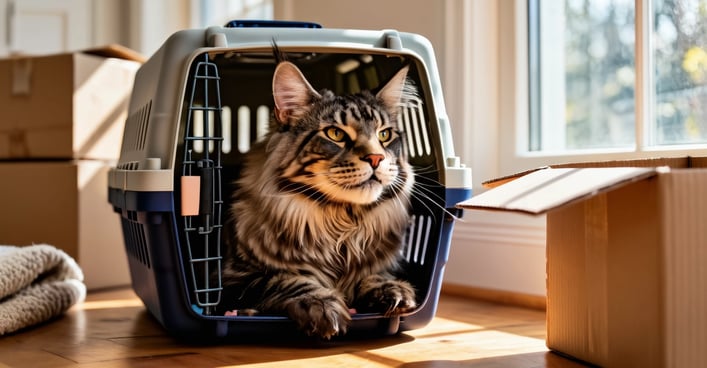
Moving with Cats: The Complete Stress-Free Relocation Guide for 2026
A step-by-step guide to minimize feline stress during a move. Learn expert strategies for preparation, transport, and helping your cat settle into their new home.
Share this page
Moving with Cats: The Complete Stress-Free Relocation Guide for 2026
By Jennifer Walsh, Certified Feline Behaviorist | Updated: 2026 | Reading Time: 18 minutes
Introduction
Moving is a major life event that's stressful for everyone involved, but for cats, it can be particularly traumatic. As territorial creatures, cats form deep attachments to their environment. Disrupting this territory can trigger significant anxiety, behavioral issues, and even health problems.
This comprehensive, step-by-step guide is designed to help you navigate the entire relocation process with your feline family. We'll cover everything from early preparation to long-term adjustment, ensuring a smoother transition for your most sensitive companions.
Moving with Cats: The Complete Stress-Free Relocation Guide for 2026 - Articles
Schedule a Veterinary Visit:
Update all vaccinations and preventative care.
Obtain an official health certificate if crossing state or international borders.
Refill any prescription medications.
Ensure your cat's microchip registration is updated with your new address and contact information.
Discuss anxiety management options (e.g., calming supplements, pheromones, or in some cases, short-term medication).
Request digital and physical copies of your cat's complete medical records.
Estimated Cost: $100 - $300
Essential Carrier Training
Why It's Critical: A carrier should be a safe haven, not a source of fear. If your cat isn't already comfortable, start training immediately.
Training Protocol:
Make the carrier a permanent, positive fixture in your home. Leave it out with the door open.
Feed meals and offer high-value treats inside the carrier.
Practice closing the door for short periods while your cat is relaxed inside.
Gradually introduce short car rides (just around the block) to acclimate them to motion and vehicle sounds.
Recommended Timeline:
Weeks 4-6: Initial carrier introduction and positive association.
Weeks 2-4: Practice with the door closed and begin short car rides.
Week of Move: Final rehearsals and packing the carrier into your "go" kit.
Cat-Sensitive Packing Strategy
Cats are creatures of habit. A sudden, chaotic packing spree can be deeply unsettling.
Best Practices:
Pack gradually over several weeks, starting with rarely used items.
Leave your cat's favorite areas (their bed, scratching post, window perch) untouched for as long as possible.
Maintain their daily feeding, play, and cuddle routines.
Do not pack your cat's essential items (food bowls, litter box, favorite toys) until the morning of the move.
Keep a few unwashed items with familiar scents (like a worn t-shirt) accessible to provide comfort.
Implementing Pheromone Support
Synthetic feline facial pheromones (like Feliway®) can help create a signal of safety and familiarity.
Pre-Move Setup:
Start using plug-in diffusers in your current home approximately two weeks before the move.
Purchase additional diffusers to set up in the new home before your cat arrives.
Use spray formulas on carriers, bedding, and in the car during transport.
Estimated Cost: $50 - $100 for both locations
The Moving Plan: Strategy and Supplies
Creating a "Safe Room" Strategy
A designated safe room is the cornerstone of a low-stress move for your cat.
In Your Current Home:
Choose a quiet room (like a bedroom or bathroom) that will be the last room packed.
Keep your cat sequestered here with all their essentials on moving day to shield them from the chaos, loud noises, and strangers.
In Your New Home:
Before your cat arrives, fully prepare one room as their initial sanctuary.
Set up their familiar items (bed, litter box, scratching post).
Have a Feliway diffuser running.
Ensure the room is quiet, secure (check for escape routes), and away from the main moving activity.
Essential Moving Day Supplies Checklist
Pack a dedicated "Cat Go-Bag" so all critical items are in one place.
Transport & Safety:
Sturdy, secure carrier (airline-approved if flying)
Absorbent pee pads or a familiar towel for the carrier
Harness and leash (for secure bathroom breaks)
Calming aids (pheromone spray, favorite treats)
Recent photo of your cat (crucial if they get lost)
Hygiene & Comfort:
Portable litter box and a small bag of their usual litter
Waste bags, paper towels, and enzymatic cleaner
Comfort items (favorite blanket, a toy with your scent)
Sustenance & Health:
Food and water bowls (collapsible are great for travel)
Bottled water and a several-day supply of their regular food
Treats and a can of high-value wet food (to encourage eating)
Any medications and a copy of medical records
Moving Day Execution
The Morning of the Move
Feeding: Offer a light meal 3-4 hours before departure. Provide water until you leave to prevent dehydration but reduce the risk of car sickness.
Setup: Place your cat in their pre-prepared safe room with the "Do Not Enter - Cat Inside" sign clearly posted. Check on them periodically to offer reassurance.
During the Move
Last-Minute Steps:
Offer a final opportunity to use the litter box.
Gently place your cat in their carrier. Use a towel to cover it partially if it helps calm them.
Double-check that all carrier latches are secure.
Loading & Transport:
Your cat should be the last thing loaded into the vehicle.
Secure the carrier in the car using a seatbelt threaded through the handle or by placing it on the floor behind a seat.
Maintain a comfortable temperature with air conditioning or heat as needed. Never leave a cat in a parked car.
Transportation Methods
By Car:
Take the most direct route possible.
Play quiet, calming music or drive in silence.
Speak to your cat in a soothing voice.
For long trips, plan to stop every 2-3 hours to offer water (never open the carrier in an unsecured area).
By Air:
Check airline pet policies well in advance—requirements and fees vary.
A health certificate issued within 10 days of travel is typically mandatory.
Book early, as space for pets in cargo or cabin is limited.
Always opt for direct flights when possible.
Consult your vet about sedation; it's generally not recommended as it can affect breathing and temperature regulation at altitude.
Arrival and Initial Setup in the New Home
Before Releasing Your Cat
Ensure the safe room is 100% ready:
Litter box is placed away from food/water.
Food, water, and hiding spots (a cardboard box is perfect) are available.
Windows and doors are securely closed.
The pheromone diffuser is plugged in and active.
The Release
Bring the covered carrier directly into the safe room. Close the door.
Open the carrier door and let your cat emerge on their own terms. Do not pull or force them out.
Leave the open carrier in the room as a familiar, enclosed hiding spot.
Keep the environment quiet and calm. Let them explore this one room for at least the first 24-48 hours.
The Adjustment Period: Patience is Key
Week 1: The Settling-In Phase
Primary Goal: Help your cat feel secure and establish a new routine within their safe room.
What to Do:
Visit frequently for quiet, calm interactions. Sit on the floor and read or talk softly.
Initiate gentle play with a familiar toy if they show interest.
Maintain a consistent feeding schedule.
Meticulously monitor food/water intake and litter box output.
If no food is consumed for 48 hours. Rapid weight loss is dangerous for cats.
Inappropriate Elimination
Add more litter boxes (1 per cat +1). Try unscented, fine-grain litter. Clean accidents with enzymatic cleaner.
To rule out a urinary tract infection (UTI) or other medical cause, which is common after stress.
Excessive Hiding
Provide acceptable hiding spots (boxes, covered beds). Don't drag them out. Use food trails to encourage exploration.
If hiding is absolute and persists with no improvement for over a week, especially with no eating/drinking.
Escaping Attempts
Implement strict door protocols for all family. Check window screens for security. Keep carriers ready.
Immediately if they succeed in escaping. Have a search plan ready, including their favorite treats and a familiar blanket to lay outside.
Cost Breakdown for Moving with Cats
Estimated Expenses (2026)
Veterinary & Health:
Health Certificates: $50 - $150
Vaccination Updates: $50 - $200
Medications/Calming Aids: $30 - $100
Microchip Registration Update: $20 - $50
Transportation & Travel:
Car Travel: Additional fuel stops
Airline Pet Fees: $95 - $400+ each way
Pet-Friendly Hotel Fees: $20 - $75/night extra
Settling-In Supplies:
Pheromone Diffusers & Sprays: $50 - $100
Additional Litter Boxes/Posts: $30 - $150
New or Replacement Supplies: $50 - $200
Professional Services (Optional):
Professional Pet Transport Service: $500 - $3,000+
Pet Sitter for Moving Day: $50 - $150/day
Feline Behaviorist Consultation: $200 - $500
Total Estimated Cost Ranges
Local Move (<50 miles): $200 - $700
Long-Distance Drive: $500 - $1,500
Cross-Country / Complex Move: $1,000 - $4,000
International Relocation: $2,000 - $10,000+
Timeline Summary: Your Moving Roadmap
Timeline
Key Actions
4-6 Weeks Before
Vet visit. Start carrier training. Update microchip. Order pheromones.
2-4 Weeks Before
Continue training. Begin non-essential packing. Plan new home safe room.
1 Week Before
Pack "Cat Go-Bag." Confirm all travel plans. Set up safe room in new home if possible.
Moving Day
Use safe room. Light meal. Secure transport. Direct route. Calm demeanor.
Arrival & Week 1
Safe room only. Establish routine. Monitor closely for stress signs. Maximum patience.
Weeks 2-4
Supervised home exploration. Expand territory gradually. Solidify new routines.
Conclusion
Moving with your cat successfully hinges on thoughtful preparation, profound patience, and a deep understanding of feline needs. By transforming the carrier into a safe space, creating a predictable sanctuary in the chaos, and allowing your cat to adjust entirely on their own terms, you lay the foundation for a positive new beginning.
Most cats adapt to their new homes within a month, though some, particularly seniors or inherently anxious individuals, may require more time—and that's perfectly okay. Your calm, reassuring presence is the most powerful comfort you can offer. By following this guide and responding to your unique cat's cues, you can turn a potentially traumatic event into a manageable transition, helping your feline friend build a happy, secure life in their new territory.
Get expert advice about cat care, behavior, nutrition, grooming, and training. Ask our AI cat care expert anything about your cat and receive professional guidance.