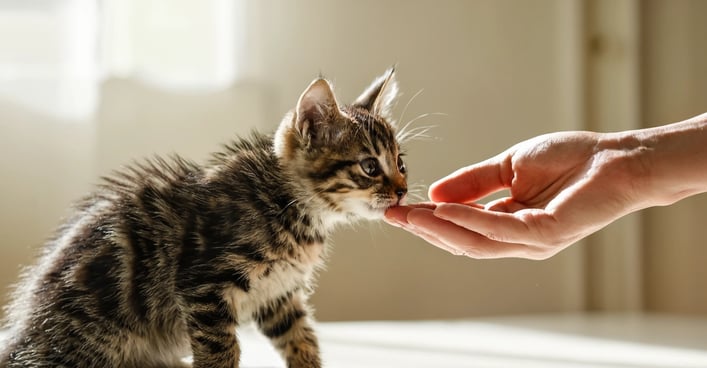
Kitten Socialization: Your 2026 Critical Period Guide for a Confident Cat
A week-by-step guide to socializing your kitten during the critical developmental window. Build a confident, well-adjusted adult cat through positive, structured experiences.
Share this page
Kitten Socialization: Your 2026 Critical Period Guide for a Confident Cat
By Dr. Patricia Williams, Veterinary Behaviorist | Updated: 2026 | Reading Time: 17 minutes
Introduction
The first few months of a kitten's life represent a critical and irreplaceable window for socialization. This period profoundly shapes their future temperament, behavior, and ability to handle stress. Proper socialization cultivates a confident, well-adjusted adult cat, while missing this window can lead to a lifetime of fear, anxiety, and difficulty coping with change.
This definitive guide provides a structured, week-by-week socialization plan to help your kitten develop into a friendly, resilient, and happy companion.
Understanding Critical Periods in Kitten Development
Significant difficulty adapting to new people, pets, or environments.
Increased risk of aggression, hiding, or stress-related health issues.
Reduced overall quality of life for both cat and owner.
Your Week-by-Week Socialization Plan
Weeks 2-3: Early Handling (Breeder/Foster Responsibility)
Primary Goals:
Create positive associations with human scent and touch.
Introduce gentle handling.
Ensure environmental stability.
Key Activities:
Daily Gentle Handling: Multiple short sessions from different people.
Sound Exposure: Normal household sounds at a low volume.
Environment: Maintain a warm, clean, and safe nesting area.
Note for New Owners: Most kittens are acquired after this period. Responsible early handling by the breeder or foster is crucial for a solid foundation.
Weeks 4-5: Environmental Expansion
Primary Goals:
Expose kitten to various surfaces and sounds.
Begin litter box training.
Introduce gentle, appropriate play.
Key Activities:
Surfaces: Allow exploration on carpet, tile, wood, and blankets.
Sounds: Introduce television, music, and distant vacuum cleaner sounds.
Handling: Practice daily gentle restraint, touching paws, ears, and mouth.
Play: Use wand toys and soft balls—never use hands as toys.
Weeks 6-7: Intensified Socialization
Primary Goals:
Facilitate positive interactions with multiple people.
Introduce novel objects and environments.
Prepare for veterinary visits and carrier travel.
Key Activities:
People: Introduce at least 5 different people (various ages, appearances).
Objects: Explore cardboard boxes, paper bags, and different toy textures.
Carrier Training: Leave carrier open with cozy bedding and treats; practice short, positive car rides.
Grooming Prep: Introduce a soft brush and gently handle nails.
Weeks 8-9: Transition to a New Home
Primary Goals:
Ensure a safe, stress-free introduction to the new home.
Establish strong bonds with the new family.
Create a consistent daily routine.
First Days Protocol:
Start in one small, safe "base camp" room.
Allow gradual home exploration over several days.
Provide plenty of accessible hiding spots.
Maintain consistent feeding, play, and sleep schedules.
Daily Routine Activities:
Play: 15-minute interactive sessions, 3-4 times daily.
Handling: Short, positive handling exercises.
Training: Simple treat-based training (e.g., coming when called).
Weeks 10-12: Comprehensive Exposure
Primary Goals:
Prepare for the first veterinary visit.
Expand experiences to build a well-rounded cat.
Lay the foundation for basic training and social skills.
Socialization Checklist for Weeks 10-12
Category
Specific Exposures
People
Men, women, children (supervised), elderly, people with hats/glasses/beards, people of different ethnicities.
Grooming Intro: Soft brush touches, wiping face with a damp cloth.
Troubleshooting Common Socialization Challenges
Challenge
Signs
Recommended Approach
Fearful Kitten
Hiding, trembling, dilated pupils, hissing.
Provide safe hides, don't force interaction, use high-value treats, let kitten set the pace. Seek professional help if severe.
Aggressive Play
Biting, scratching during play.
Immediately redirect to a toy, yelp and withdraw attention if bitten, use time-outs consistently.
Under-Socialized Older Kitten (3-6 mos.)
Skittish, avoids contact.
Socialization is still possible but requires more time. Go slower, use higher-value rewards, and consider a veterinary behaviorist.
Socialization Safety & Health
Before Full Vaccination: Socialize only within the home with known, healthy animals. Avoid public spaces.
After First Vaccinations (8+ weeks): Controlled outdoor exposure (e.g., porch) and supervised play with known friendly cats is acceptable.
After Full Vaccination (16+ weeks): More freedom is possible for harness walks or visits to trusted homes.
Stop and Consult a Vet if You See: Persistent hiding, loss of appetite, diarrhea, excessive grooming, or sudden aggression, as these can indicate illness or excessive stress.
Long-Term Success & Maintenance
Socialization doesn't end at 16 weeks. Continue your kitten's education throughout the first year and into adulthood with:
Regular novel experiences (new boxes, safe cat-friendly scents).
Occasional introductions to new, cat-friendly people.
Consistent reinforcement of handling and grooming routines.
Conclusion
Investing time in structured, positive socialization during kittenhood is the single greatest gift you can give your future cat. It builds a foundation of confidence and resilience that will enrich their life—and yours—for years to come.
Remember: Socialization must be positive, gradual, and respectful of your kitten's unique personality. Bold kittens and shy kittens can both become wonderful companions with the right approach. If you adopt an older kitten or face significant challenges, don't lose hope—with patience and potentially professional guidance, progress is always possible. The reward is a lifetime of trust and companionship.
Get expert advice about cat care, behavior, nutrition, grooming, and training. Ask our AI cat care expert anything about your cat and receive professional guidance.