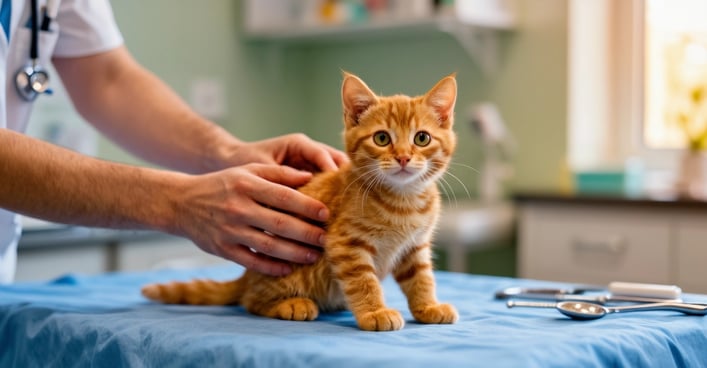
Kitten First Vet Visit: Your Complete 2026 Guide to Preparation & Expectations
Prepare for your kitten's crucial first vet visit. Our guide covers what to bring, what to expect, and how to ensure a positive start to lifelong health.
Share this page
Kitten First Vet Visit: Your Complete 2026 Guide to Preparation & Expectations
Your kitten's first veterinary appointment is a foundational milestone. This initial visit establishes a health baseline, begins essential preventive care, and helps your new companion form positive associations with veterinary care. Being well-prepared ensures a smooth experience and maximizes the value of this critical consultation.
When to Schedule the First Visit
Timing Guidelines
Ideal Schedule:
Within 48-72 hours of adoption to ensure a timely health assessment.
At 6-8 weeks of age if you've raised the kitten from birth.
Immediately if any signs of illness are present.
Why an Early Visit is Critical:
Early Detection: Identifies congenital issues or illnesses promptly.
Preventive Care: Initiates the vaccination and deworming schedule on time.
Relationship Building: Establishes a trusting relationship with your veterinary team.
Peace of Mind: Provides confirmation of your kitten's health status.
Adoption Compliance: Many shelters and rescues require a post-adoption checkup.
Kitten First Vet Visit: Your Complete 2026 Guide to Preparation & Expectations - Articles
Do not wait for a scheduled appointment if you observe any of the following:
Diarrhea or vomiting lasting more than 24 hours
Refusal to eat or drink
Lethargy, weakness, or collapse
Labored breathing, coughing, or sneezing
Eye or nasal discharge
Evidence of parasites (fleas, visible worms)
Any injury or trauma
Preparing for the Visit
What to Bring
Essential Documents:
Item
Purpose
Adoption Paperwork
Provides health history, known birth date, and breeder/shelter info.
Previous Medical Records
Details prior vaccinations, deworming, or treatments.
Microchip/Registration Info
If already microchipped.
List of Questions
Ensures you address all your concerns during the appointment.
Recent Photo
Helps with identification in clinic records.
Physical Items:
Item
Purpose
Secure Carrier
A hard-sided, top-loading carrier is safest for transport.
Familiar Blanket/Towel
Provides comfort with a familiar scent; can also cover the carrier.
Fresh Stool Sample
Collected within 24 hours for parasite testing.
High-Value Treats
For positive reinforcement during and after the exam.
Favorite Small Toy
Offers distraction and comfort.
Carrier Preparation & Transport
Before the Visit:
Acclimate Your Kitten: Leave the carrier out with the door open for several days beforehand.
Create Positive Associations: Feed meals or offer treats inside the carrier.
Add Comfort: Place a soft blanket or an item with your scent inside.
Practice: Take short, calm car rides to reduce travel anxiety.
Transport Day Tips:
Secure the carrier with a seatbelt in the car.
Drive smoothly, avoiding sudden stops or loud music.
Cover the carrier with a light towel to reduce visual stress.
Keep the car at a comfortable temperature.
Preparing Your Kitten
Feeding: Offer a small meal a few hours before to prevent car sickness, but avoid a large meal right before leaving.
Exercise: Engage in a vigorous play session before departure to burn off excess energy and promote calmness.
Grooming: Gently brush your kitten and note any visible concerns (skin issues, mats) to discuss with the vet.
What to Expect During the Appointment
The Check-In Process
Arrive Early: Plan to arrive 10-15 minutes early to complete any necessary paperwork.
Wait Safely: Keep your kitten securely in its carrier in the waiting area, away from other animals.
Communicate: Inform the staff if your kitten is particularly nervous or has any known behavioral triggers.
The Comprehensive Physical Examination
The veterinarian will perform a thorough "nose-to-tail" assessment, which typically includes:
System Checked
What the Vet is Assessing
Weight & Temperature
Baseline metrics for growth tracking and health monitoring.
Eyes & Ears
Clarity, signs of infection, discharge, or parasites (e.g., ear mites).
Mouth & Teeth
Gum color (should be pink), baby tooth development, and palate structure.
Heart & Lungs
Listening with a stethoscope for normal rhythm and clear breathing sounds.
Abdomen
Gently palpating to check organ size, position, and for any abnormalities.
Skin & Coat
Condition, hydration, and evidence of fleas, ticks, or other parasites.
Musculoskeletal
Checking limbs and joints for proper development and range of motion.
Genitalia
Confirming gender and checking for normal development.
Common Diagnostic Tests
Fecal Exam: Checks for internal parasites like roundworms, hookworms, and giardia. Cost: $20-$40.
Feline Leukemia Virus (FeLV) & FIV Test: A blood test highly recommended for all kittens, especially those with unknown histories. Cost: $50-$80.
Additional Tests: May include urinalysis or blood work if symptoms indicate a specific concern.
Core Vaccination Schedule for Kittens
Vaccinations are a vital part of preventive care. Your vet will recommend a schedule based on your kitten's age, health, and lifestyle.
Core Vaccines (Recommended for All Kittens):
FVRCP: Protects against Feline Viral Rhinotracheitis, Calicivirus, and Panleukopenia (feline distemper).
Typical Schedule: 3 doses, starting at 6-8 weeks, then every 3-4 weeks until 16-20 weeks old.
Rabies: Required by law in most regions.
Typical Schedule: Single dose at 12-16 weeks of age.
Non-Core/Lifestyle Vaccines (Discuss with Your Vet):
Feline Leukemia (FeLV): Strongly recommended for kittens who will go outdoors or live with FeLV-positive cats. A series of two vaccines is required.
Parasite Prevention & Treatment
Deworming:
Kittens are commonly born with or acquire intestinal parasites.
Your vet will administer a broad-spectrum dewormer and likely prescribe follow-up treatments every 2-3 weeks until 12-16 weeks old.
Flea & Tick Prevention:
Safe, monthly preventive products can be started as early as 6-8 weeks of age, depending on the kitten's weight.
Your veterinarian will recommend a product appropriate for your kitten's age and lifestyle.
Essential Discussion Topics with Your Veterinarian
Use this first visit as an opportunity to ask questions and build a care plan:
Nutrition: Best food for life stage, feeding schedule, and portion control.
Behavior & Socialization: Litter box training, appropriate play, scratching post use, and introducing to other pets.
Spay/Neuter: Discuss the ideal timing (often 4-6 months) and the benefits (preventing cancers, unwanted litters, and certain behaviors).
Microchipping: A simple, permanent form of identification. The procedure can often be done during this visit.
Pet Insurance: An overview of how it works and why enrolling a young, healthy kitten is most advantageous.
Making the Visit a Positive Experience
Stay Calm: Your kitten will pick up on your emotions. Use a soft, reassuring voice.
Let the Pros Handle: Often, kittens are calmer when handled by the confident, experienced veterinary team. Trust their process.
Use Positive Reinforcement: Offer treats during and after procedures like exams or vaccinations.
Post-Visit Reward: Once home, provide a special meal, extra cuddles, or a quiet play session to create positive associations.
Post-Visit Care & Monitoring
Vaccine Reactions: Mild lethargy or soreness for 24 hours is normal. Contact your vet immediately if you see severe vomiting, facial swelling, difficulty breathing, or extreme lethargy.
Follow Instructions: Administer all medications or preventives as directed and schedule follow-up appointments for booster vaccines.
Keep Records: File all vaccination certificates, test results, and your vet's recommendations in a dedicated pet health folder.
Cost Breakdown & Planning
Costs vary significantly by geographic location and clinic. Below are typical ranges for a first visit.
Estimated First Visit Costs:
Service
Cost Range
Examination Fee
$50 - $85
FVRCP Vaccine
$25 - $45
Fecal Parasite Exam
$25 - $50
Deworming Medication
$20 - $40
FeLV/FIV Test
$55 - $85
Potential Total
$175 - $305
Cost-Saving Strategies:
Ask about Wellness Plans that bundle services for a monthly fee.
Research low-cost vaccination clinics or spay/neuter events in your community.
Invest in Pet Insurance early to offset future unexpected costs.
Prioritize Preventive Care; it is invariably less expensive than treating advanced illness.
Building a Lifelong Veterinary Relationship
Choose a veterinarian and practice where you feel comfortable. Look for a Cat-Friendly Practice certified by the American Association of Feline Practitioners (AAFP), which emphasizes low-stress handling. Establish a schedule for regular wellness visits: frequent during kittenhood, then typically annual exams for adult cats, increasing to twice-yearly for seniors (age 7+).
Frequently Asked Questions (FAQs)
Q: How long does the first vet visit take?A: Plan for 30 to 60 minutes for a comprehensive first visit with a healthy kitten.
Q: What if my kitten is terrified?A: Inform the clinic ahead of time. Many use "fear-free" techniques, such as towels for gentle restraint, pheromone sprays, and taking breaks. In extreme cases, they may discuss pre-visit anti-anxiety options.
Q: Do indoor cats need all the same vaccines?A: Yes, core vaccines (FVRCP and Rabies) are essential. Indoor cats can still be exposed to viruses carried on clothing or through open windows. Lifestyle vaccines (like FeLV) can be discussed based on individual risk.
Q: I'm on a tight budget. What's absolutely essential?A: The exam, core vaccines, and deworming are non-negotiable for basic health. Be upfront with your vet about financial constraints—they can help you prioritize and may know of local assistance programs.
Conclusion
Your proactive approach to your kitten's first veterinary visit lays the groundwork for a long, healthy, and happy life together. This appointment is more than just a checkup; it's the start of a vital partnership with your veterinary care team. By being prepared, asking questions, and following through with recommended care, you are demonstrating the very best of responsible pet ownership.
Disclaimer: This guide provides general information. Always follow the specific advice and protocols recommended by your licensed veterinarian, as costs, vaccine schedules, and best practices can vary.
Get expert advice about cat care, behavior, nutrition, grooming, and training. Ask our AI cat care expert anything about your cat and receive professional guidance.