Indoor vs Outdoor Cats: A Complete 2026 Guide to Safety, Health & Happiness
Explore the definitive guide to indoor vs outdoor cats. We break down the pros, cons, safety risks, and essential enrichment strategies to ensure your cat's long, healthy life.
Share this page
Indoor vs Outdoor Cats: A Complete 2026 Guide to Safety, Health & Happiness
Choosing whether your cat lives indoors, outdoors, or enjoys a hybrid lifestyle is one of the most significant decisions a pet owner can make. This choice profoundly impacts your cat's health, safety, lifespan, and overall well-being. This comprehensive guide provides the facts, statistics, and practical advice you need to make an informed, responsible decision for your feline family member.
The Lifespan Statistics: A Stark Reality
Average Lifespan Comparison:
Indoor Cats: 12–18 years (average 15)
Outdoor Cats: 2–7 years (average 5)
Indoor/Outdoor (Supervised): 10–15 years
Primary Mortality Causes for Outdoor Cats:
Trauma (vehicles, predators, falls): 40%
Disease: 25%
Poisoning: 15%
Human Cruelty: 10%
Other: 10%
These compelling statistics are why major veterinary and animal welfare organizations, including the AVMA and ASPCA, strongly advocate for indoor-only lifestyles.
No risk from predators (coyotes, dogs, birds of prey).
Drastically reduced exposure to infectious diseases (FeLV, FIV, rabies).
No contact with toxins, poisons, or hazardous substances.
Elimination of injuries from fights with other animals.
Safe from theft, cruelty, and extreme weather.
Longevity & Wellness:
Average lifespan is three times longer than outdoor cats.
Consistent, controlled nutrition and weight management.
Easier to schedule and maintain regular veterinary care.
Enables early detection and treatment of health issues.
Environmental Control:
Climate-controlled living space.
Parasite-free environment (fleas, ticks, worms).
Constant access to clean water and a measured diet.
Safe from toxic plants and outdoor hazards.
Owner Convenience:
No searching for a missing cat.
Easier health monitoring.
Eliminates your cat's impact on local wildlife populations.
Potential Challenges & Solutions
Health Risks:
Obesity & Diabetes: Managed through diet control and interactive play.
Lower Urinary Tract Disease: Mitigated with hydration strategies and stress reduction.
Boredom & Stress: Addressed via comprehensive environmental enrichment.
Essential Environmental Enrichment Checklist:
1. Vertical Territory:
Cat trees, towers, and wall-mounted shelves.
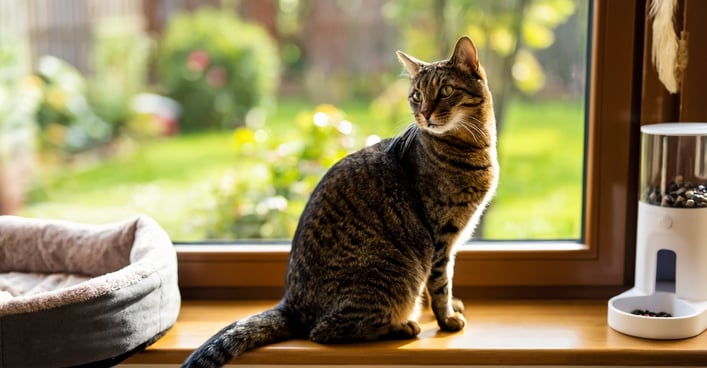
Multiple window perches for viewing.
2. Scratching Outlets:
Provide both vertical and horizontal scratchers.
Use various materials like sisal, cardboard, and carpet.
Place them in multiple locations around your home.
3. Mental Stimulation:
Daily Interactive Play: Aim for 15-minute sessions, twice daily.
Food puzzles and treat-dispensing toys.
Regularly rotate toys to maintain novelty.
Consider clicker training for mental engagement.
4. Sensory Enrichment:
Create a "Cat TV" by placing bird feeders outside windows.
Offer cat-safe plants like cat grass or catnip.
Use pheromone diffusers (e.g., Feliway) to reduce stress.
Provide access to secure outdoor spaces like a catio.
5. Social Structure:
Dedicate quality time for grooming and gentle play.
For single cats, consider adopting a compatible feline friend.
The Outdoor Cat Lifestyle
Perceived Benefits
Natural Behavior:
Freedom to explore, hunt, and establish territory.
Ample opportunities for climbing and perching.
Direct exposure to fresh air, sunlight, and varied stimuli.
Physical Exercise:
Naturally more active, which can aid weight management.
Promotes better muscle tone and cardiovascular health.
Significant Risks & Disadvantages
Critical Safety Dangers:
Traffic: The leading cause of death for outdoor cats.
Predators: Including coyotes, loose dogs, and other wildlife.
Human Threats: Theft, intentional poisoning, and cruelty.
Environmental Hazards: Exposure to antifreeze, rodenticides, and toxic plants.
Health Consequences:
High Disease Risk: Exposure to FeLV, FIV, FIP, and rabies.
Parasite Infestation: Increased burden of fleas, ticks, and intestinal worms.
Injury: Abscesses from fights, broken bones, and severe wounds.
Ecological Impact:
Outdoor cats are a non-native invasive species.
They are responsible for the deaths of billions of birds and small mammals annually in the U.S. alone, disrupting local ecosystems.
Smart Compromise: Supervised Outdoor Access
For owners seeking a middle ground, these options provide safety and stimulation:
1. Harness & Leash Training:
Start indoors for acclimation.
Allows for safe, exploratory walks under your direct supervision.
2. Catios (Cat Patios):
Fully enclosed outdoor spaces attached to a window or door.
Available in countless DIY or pre-fabricated designs.
Provides fresh air and sensory enrichment without any risks.
3. Cat-Proofed Fencing:
Specialized fencing (e.g., roller bars, angled tops) to prevent escape.
Secures your entire yard as a safe playground.
Making Your Decision: Key Factors
Evaluate your unique situation:
Location: Urban traffic density vs. rural predator presence.
Your Cat: Age, personality (timid vs. adventurous), and former lifestyle (feral vs. raised indoors).
Your Commitment: Time and resources for indoor enrichment or supervised outdoor time.
Transitioning an Outdoor Cat Indoors
Patience is crucial. Plan for a 2–6 week adjustment period.
Phase 1 (Week 1): Confinement & Calm
Start in a single, quiet room with all essentials (food, water, litter, hiding spots).
Use pheromone diffusers to promote calm.
Phase 2 (Weeks 2–3): Gradual Expansion
Slowly introduce access to more rooms.
Immediately install critical enrichment: window perches, cat trees, and scratchers.
Engage in daily interactive play to burn energy and build positive associations.
Phase 3 (Week 4+): New Routine
Your cat should now have full, safe run of the home.
Crucial Rule: Do not allow any outdoor access during this transition, not even "just once."
Consistently reward calm, indoor behavior.
Non-Negotiables for Any Outdoor Access
If you choose to allow unsupervised outdoor time, these are absolute requirements:
1. Veterinary Protocol:
Core Vaccines: Rabies (legally required) and FVRCP.
Strongly Recommended: Annual FeLV vaccination.
Parasite Prevention: Year-round, vet-prescribed flea, tick, and heartworm medication.
2. Permanent Identification:
Microchip: Implanted and registered with your current contact details.
Breakaway Collar: With an ID tag displaying your phone number.
3. Spay/Neuter: Essential to prevent unwanted litters and reduce roaming.
Cost Analysis: Indoor vs. Outdoor (2026 Estimates)
Expense Category
Indoor Cat (Annual)
Outdoor Cat (Annual)
Food
$300 – $1,000
$300 – $1,000
Litter
$120 – $480
$50 – $200
Routine Veterinary Care
$200 – $400
$400 – $1,500+
Parasite Prevention
$50 – $150
$200 – $400
Enrichment/Toys
$100 – $300
$0 – $100
Emergency Fund
Low likelihood
High likelihood/required
Estimated Total
$770 – $2,330
$950 – $3,200+
Note: While outdoor cats may have lower litter costs, their veterinary and emergency expenses are consistently and significantly higher.
The Verdict & Your Next Steps
The evidence is overwhelming: Indoor living is the safest, healthiest choice for domestic cats. It is the single most effective way to ensure they live a long, full life.
If You Choose an Indoor Life:
Embrace your role as an enrichment provider. Commit to daily play, training, and creating a stimulating environment.
Explore compromise solutions like leash training or building a catio to satisfy their curiosity safely.
If You Insist on Outdoor Access:
Accept the significantly higher risks to your cat's safety and longevity.
Meticulously follow all vaccination, parasite prevention, and identification protocols.
Take steps to minimize ecological impact (e.g., bell on collar, keeping cat indoors at dawn/dusk).
Your decision shapes your cat's world. By prioritizing safety and committing to their physical and mental needs, you can provide a profoundly fulfilling life, whether inside or out.
Last Updated: 2026 | In alignment with recommendations from the AVMA, AAHA, and ASPCA.
Get expert advice about cat care, behavior, nutrition, grooming, and training. Ask our AI cat care expert anything about your cat and receive professional guidance.