How to Train a Cat to Use the Litter Box: A Complete Step-by-Step Guide (2026)
Master litter box training for kittens and adult cats. Learn setup, troubleshooting, and solutions for common problems to ensure consistent success.
Share this page
How to Train a Cat to Use the Litter Box: A Complete Step-by-Step Guide (2026)
Litter box training is often the easiest part of cat ownership, thanks to a cat's natural instinct to bury waste. Most kittens learn from their mothers, and adult cats typically grasp the concept immediately. However, aversions can develop due to medical issues, stress, or environmental changes. This comprehensive guide covers everything from kitten basics to solving complex litter box problems in adult cats.
Understanding Your Cat's Litter Box Instincts
Why Cats Naturally Use Litter Boxes
Cats bury their waste for deeply ingrained survival reasons:
Predator Avoidance: Hiding their scent from potential threats.
Prey Concealment: Preventing prey from detecting their presence.
Territory Marking: Dominant cats may leave waste uncovered as a signal.
Innate Behavior: A hardwired instinct inherited from wild ancestors.
Age and Training Readiness
3 Weeks Old: Kittens begin following their mother to the litter area.
4-5 Weeks: Typically fully trained by the mother cat.
8+ Weeks: Should reliably use the litter box when adopted.
Adult Cats: Usually understand the concept immediately.
How to Train a Cat to Use the Litter Box: A Complete Step-by-Step Guide (2026) - Articles
Choosing the Right Litter Box
Size is Critical
Length: Minimum of 1.5 times your cat's body length (nose to tail base).
Width: At least as wide as your cat is long.
Height: 4-6 inches for most cats; lower for kittens and seniors.
Large Breeds: Consider jumbo boxes or modified storage containers.
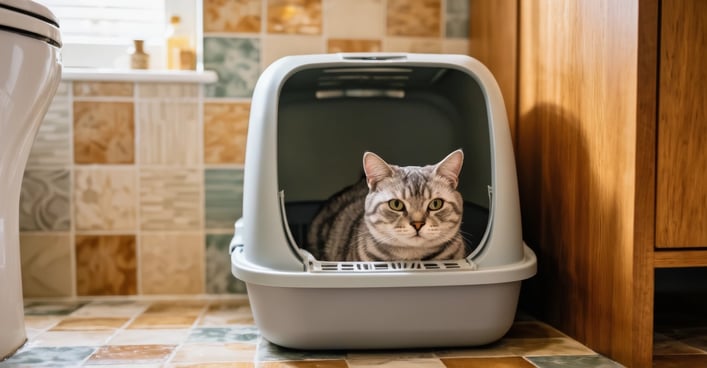
Covered vs. Uncovered Boxes
Uncovered (Generally Preferred):
Superior ventilation reduces odor buildup.
Provides multiple escape routes, reducing feelings of entrapment.
Easier access for cats of all sizes and mobility levels.
Less concentration of odors inside the box.
Covered Boxes:
Offers privacy for shy or anxious cats.
Helps contain litter scatter.
Can trap odors inside, which may deter some cats.
May make some cats feel cornered or vulnerable.
Recommendation: Begin with an uncovered box. Only introduce a cover if your cat shows a clear preference for privacy and doesn't mind the enclosure.
Determining the Number of Boxes
The Golden Rule: One litter box per cat, plus one extra.
Multi-Level Homes: Place at least one box on each floor.
Multi-Cat Households: Prevents resource guarding and territorial issues.
Selecting the Ideal Litter
Best Litter Types for Training
Unscented Clumping Clay: The most widely accepted choice.
Fine-Grained Texture: Mimics natural substrates like sand or dirt.
Low-Dust Formulas: Minimizes respiratory irritation for both cat and owner.
Avoid for Training: Heavily scented litters, large crystal pellets, or newspaper-based products, as they can be off-putting.
Proper Litter Depth
Optimal Depth: 2-3 inches of litter.
Too Shallow: Prevents proper burying behavior.
Too Deep: Can be uncomfortable for cats to stand and dig in.
Strategic Litter Box Placement
Ideal Locations
Quiet, Low-Traffic Areas: Away from noisy appliances and household bustle.
Easily Accessible: Especially important for kittens, seniors, and disabled cats.
Distributed Throughout the Home: Don't cluster all boxes in one area.
Separate from Food/Water: Cats instinctively avoid eliminating near where they eat.
Locations to Avoid
Near Loud Appliances: Washers, dryers, or furnaces.
Isolated Corners: Difficult to access or too far from living spaces.
Areas with Only One Exit: Can make a cat feel trapped.
High-Traffic Hallways: Lack of privacy and constant disturbance.
Training Kittens: A Step-by-Step Process
Step 1: The Introduction
Gently place the kitten in the box after meals, naps, and play sessions.
Simulate digging by gently scratching their front paws in the litter.
Allow exploration; let them sniff and investigate the box on their own.
Offer immediate praise and a small treat when they use it successfully.
Step 2: Perfect Timing
After Eating: Place in the box 15-30 minutes after meals.
After Waking: First thing upon waking from a nap.
Post-Play Session: When their excitement begins to wind down.
Recognize Signals: Watch for scratching, sniffing, or circling behavior.
Step 3: Consistency is Key
Fixed Location: Do not move the box during the initial training period.
Consistent Litter Type: Avoid switching brands or types abruptly.
Impeccable Cleanliness: Scoop waste at least once, preferably twice, daily.
Positive Reinforcement Only: Use praise, petting, or treats—never punishment.
Step 4: Supervised Expansion
Start Confined: Keep the kitten in a small, comfortable room (like a bathroom) with the box for the first few days.
Gradual Access: Slowly allow access to more rooms as they demonstrate consistent use.
Add Boxes: Introduce additional boxes in new territories as your kitten's world expands.
Addressing Common Kitten Challenges
Playing in the Litter
It's Normal: Kittens are curious and may bat at litter.
Solution: Gently distract with a toy outside the box. They typically outgrow this phase.
Never Punish: Scolding can create a negative association with the box.
Missing the Box
Young Kittens: Those under 8 weeks may lack coordination. Use a box with very low sides.
Solution: Place absorbent puppy pads around the perimeter of the box.
They'll Improve: Coordination and aim improve significantly with age and practice.
Eating Litter
A Dangerous Curiosity: Ingesting clumping clay can cause intestinal blockages.
Solution: Use a non-clumping, kitten-safe litter until this phase passes.
Supervise: Monitor your kitten during box visits.
Training Adult Cats
Newly Adopted Adults
Most adult cats arrive pre-trained:
Immediately show them the box location upon arriving home.
Place them gently inside the box.
Allow them to explore the new setup.
Success is often immediate.
Stray or Formerly Feral Cats
These cats may require more patience and a transitional approach:
Start with a mix of outdoor soil or sand with unscented litter.
Gradually increase the litter-to-soil ratio over a week or two.
They often prefer large, uncovered boxes that don't trap them.
Be Patient: Full acceptance can take several weeks.
Solving Litter Box Problems
Rule Out Medical Causes First
Always consult a veterinarian to eliminate health issues, such as:
Urinary Tract Infections (UTIs)
Kidney disease or diabetes
Arthritis or other painful conditions
Bladder stones or constipation
Red Flags for Medical Issues:
Straining to urinate or defecate with little output.
Vocalizing (crying) while in the box.
Blood in urine or stool.
Urinating very frequently in small amounts.
Any sudden, unexplained change in litter box habits.
Addressing Behavioral Causes
Litter Box Aversion
Common Causes:
An unclean box.
A disliked litter type or scent.
A box that's too small or difficult to enter.
A problematic location (too noisy, busy, or inaccessible).
A past negative experience (startled while in the box).
Proven Solutions:
Increase the number of boxes in different locations.
Conduct a litter test: Offer 2-3 different types in identical boxes side-by-side.
Scoop more frequently—ideally after each use.
Experiment with box style (switch from covered to uncovered, or vice versa).
Relocate the box gradually if the current spot is the issue.
Surface Preferences
Some cats develop a preference for specific textures:
Soft Surfaces: Carpet, bedding, laundry.
Smooth Surfaces: Bathtubs, sinks, tile floors.
Natural Surfaces: Potting soil in houseplants.
Solution: Make the preferred area less appealing (cover with foil, double-sided tape) while simultaneously making the litter box more attractive (try a new litter, ensure it's spotless).
Stress-Related Issues
Environmental changes are a major trigger:
New pet, baby, or roommate.
Moving to a new home.
Home renovations or rearranged furniture.
Changes in the owner's schedule.
Mitigation Strategies:
Use Feliway or similar pheromone diffusers to promote calm.
Maintain a consistent daily routine for feeding and play.
Provide plenty of vertical space (cat trees, shelves) and hiding spots.
Introduce any changes slowly and gradually.
Re-Training a Cat: The Protocol
When Re-Training Becomes Necessary
After recovery from a medical issue that caused pain.
Following a move to a new home.
If a severe litter box aversion has developed.
After the introduction of a new pet that caused stress.
The Four-Step Re-Training Protocol
Step 1: Obtain Medical Clearance
Schedule a veterinary exam to conclusively rule out underlying health problems.
Discuss pain management, especially for senior cats who may have arthritis.
Step 2: Create a Fresh Start
Use a new box that looks and smells different from the "tainted" one.
Choose a new location, if the old one has negative associations.
Select a new litter type, preferably one the cat hasn't rejected before.
Implement the confinement method, starting over in a single, comfortable room.
Step 3: Build Positive Associations
Offer enthusiastic praise every time the box is used correctly.
Provide a high-value treat immediately after they exit the box.
Engage in play sessions near the box to create happy memories.
Absolutely never punish for accidents; it will only worsen the problem.
Step 4: Expand Territory Gradually
Begin in one room and ensure 100% success for several days.
Open access to one additional room at a time, monitoring closely.
Watch for setbacks and temporarily restrict space if accidents recur.
Maintain multiple boxes as you expand to cover the new territory.
Effectively Cleaning Accidents
Immediate Cleanup Protocol
Blot, Don't Rub: Use paper towels to absorb as much urine as possible.
Apply Enzymatic Cleaner: These break down the uric acid crystals that cause lingering odor. Saturate the area according to product instructions.
Allow to Air Dry: Rushing the process can seal remaining odor into carpets or padding.
Recommended Cleaning Products
Nature's Miracle: A widely available and effective enzymatic formula.
Bubbas Super Strength: Excellent for old, set-in stains.
Avoid Ammonia-Based Cleaners: Ammonia smells like urine to cats and can attract them back to the spot.
Preventing Re-Soiling in the Same Spot
Complete Odor Removal is Crucial: A cat's nose is far more sensitive than ours.
Temporarily Block Access: Use furniture, foil, or a citrus-scented spray to deter return visits.
Change the Area's Purpose: After cleaning, feed your cat or play with them in that spot to create a new, positive association.
Special Situations and Adaptations
Senior Cats (Ages 10+)
Common Challenges:
Arthritis making it painful to step over high sides.
Cognitive decline causing them to forget the box location.
Reduced bladder control or mobility.
Adaptive Solutions:
Low-Entry or Senior-Specific Boxes: Often have a cut-out entryway.
Multiple, Strategically Placed Boxes: Ensure one is very close to their favorite resting spot.
Nighttime Accessibility: Consider a small box in the bedroom.
Protective Flooring: Use washable, waterproof pads around boxes.
Cats with Disabilities
Helpful Adaptations:
Ramps or Steps: To access boxes with higher sides.
Extra-Wide Entryways: For cats with limited mobility or balance issues.
Shallow Litter Depth: Easier to navigate for cats with weakness.
Increased Cleaning Frequency: Essential for cats who may struggle to position themselves perfectly.
Multi-Cat Household Dynamics
Managing Territorial Behavior:
Bullying at the Box: One cat may ambush another. Ensure boxes are in open areas with clear sight lines, not dead-end corners.
Adhere to the "N+1" Rule: The minimum number of boxes is one per cat, plus one extra.
Distribute Resources: Place boxes in different rooms and on different floors to prevent one cat from guarding them all.
Preventing Future Problems
Proactive Maintenance Schedule
Scoop Solids & Clumps: 1-2 times daily, without fail.
Top Off Litter: Add fresh litter weekly to maintain proper depth.
Deep Clean Boxes: Empty all litter, wash with mild soap and water monthly.
Replace Old Boxes: Plastic absorbs odors over time; replace boxes yearly or if scratched/scored.
Ongoing Monitoring
Note Habit Changes: Keep a simple log of frequency or consistency changes.
Schedule Regular Vet Visits: Annual wellness exams can catch medical issues early.
Observe Social Dynamics: In multi-cat homes, watch for signs of tension or blocking behavior.
Environmental Enrichment
Reduce Overall Stress: Provide daily interactive play, scratching posts, and climbing structures.
Maintain a Predictable Routine: Cats thrive on consistency for feeding, play, and quiet time.
Create Safe Havens: Ensure each cat has its own space to retreat to.
Consider Pheromone Support: Diffusers like Feliway MultiCat can promote harmony.
When to Seek Professional Help
Persistent or Complex Issues
Consult a Veterinary Behaviorist: A veterinarian with additional specialization in behavior. They can diagnose medical-behavioral overlaps and prescribe medication if needed.
Hire a Certified Cat Behavior Consultant: These professionals can provide tailored environmental and training plans.
Never Assume It's Hopeless: With expert guidance, the vast majority of litter box issues can be resolved.
Conclusion
Successful litter box use hinges on understanding that cats do not eliminate outside their box out of spite or malice. There is always an underlying reason—medical, environmental, or behavioral. The solution lies in systematic problem-solving: always rule out health concerns first, then meticulously optimize the litter box setup and environment, and finally, implement patient retraining if necessary.
Patience, consistency, and positive reinforcement are your most powerful tools. Punishment is counterproductive and will damage your bond with your cat. By providing a clean, appealing, and accessible bathroom option, you align with your cat's natural instincts, making success the most likely outcome. When challenges arise, your veterinarian is your essential first partner in finding a solution.
Remember, your cat wants to use the litter box. Your role is to remove all obstacles that prevent them from doing so consistently.
Get expert advice about cat care, behavior, nutrition, grooming, and training. Ask our AI cat care expert anything about your cat and receive professional guidance.