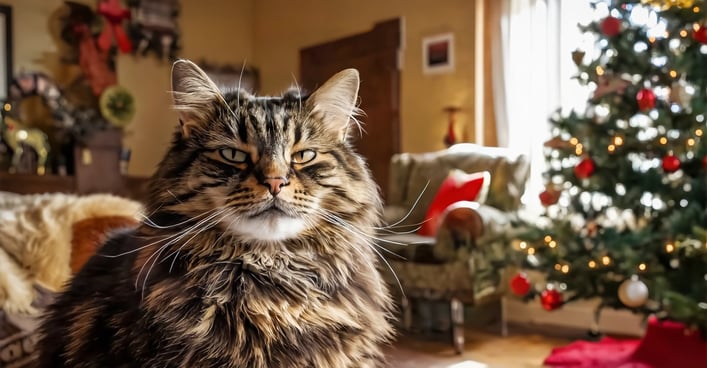
Protect your feline friend during festive seasons. Learn essential tips for preventing toxic exposure, managing stress, and creating a safe environment for Christmas, Halloween, and more.
Share this page
The Complete Guide to Holiday Cat Safety in 2026
Meta Description: Ensure your cat's safety during festive seasons with this comprehensive 2026 guide. Learn to prevent toxic exposure, manage holiday stress, and create a secure environment for celebrations like Christmas, Halloween, and New Year's.
Introduction
Holiday celebrations, while joyful for us, can introduce a hidden world of hazards for our feline companions. Holiday cat safety demands proactive vigilance, as festive decorations, special foods, and disrupted routines transform a familiar home into a landscape of potential dangers. From toxic plants and enticing but dangerous foods to the stress of visitors and loud noises, each celebration carries unique risks that every cat owner must understand.
This guide provides a modern, comprehensive strategy to navigate the festive season safely. By implementing these preventive measures, you can enjoy your celebrations with peace of mind, knowing your cat is protected from common holiday emergencies.
Many traditional festive plants are hazardous to cats. Immediate veterinary care is crucial if ingestion is suspected.
Highly Toxic (Require Complete Avoidance):
Plant
Toxic Component
Symptoms
Severity
Lilies (all parts, including pollen)
Unknown
Acute kidney failure, vomiting, lethargy
EXTREME (Fatal)
Mistletoe
Phoratoxin, viscotoxins
Gastrointestinal upset, cardiovascular collapse
HIGH
Holly
Saponins, methylxanthines
Vomiting, diarrhea, depression
MODERATE
Amaryllis
Lycorine, other alkaloids
Vomiting, diarrhea, abdominal pain, tremors
MODERATE
Poinsettia
Latex sap (mild irritant)
Mild mouth/gastric irritation, vomiting
MILD (Often overrated)
Safety-First Alternatives:
Opt for artificial plants – They provide the festive look without the risk.
Choose cat-safe live plants like Christmas cactus, Boston fern, or spider plant.
Isolate live plants in a room your cat cannot access.
Use hanging baskets placed well out of jumping reach.
Christmas Tree Hazards
A Christmas tree is a giant, intriguing toy to a cat. Manage these risks proactively.
Stability is Key:
Secure the tree to a wall or ceiling hook using clear fishing line.
Use a wide, heavy base to prevent tipping.
Consider a smaller, table-top tree that's less tempting to climb.
Decoration Dangers:
Tinsel & Ribbons ("Linear Foreign Bodies"): Extremely dangerous. If ingested, they can cause severe intestinal lacerations and blockages requiring emergency surgery. Best practice: Avoid entirely.
Ornaments:
Glass ornaments can shatter, causing cuts.
Small ornaments pose a choking hazard.
Avoid salt-dough or homemade ornaments with toxic ingredients (glitter, glue).
Lights & Electrical Cords: Chewing can lead to electrocution or mouth burns. Use cord protectors/covers and always unplug when unsupervised.
Tree Water: Often contains fertilizers or preservatives toxic to cats. Stagnant water breeds bacteria. Use a covered tree stand or a tree skirt to block access.
Proactive Safety Measures:
Place shatterproof ornaments on lower branches.
Secure ornaments with wire instead of easily detached hooks.
Store all leftovers in sealed containers in the refrigerator.
Clearly instruct guests not to feed your cat any table scraps.
Thanksgiving Safety: A Feast of Hazards
Food-Specific Dangers
The Turkey: Cooked bones splinter easily and can perforate the intestines. Fatty skin and dark meat can trigger pancreatitis. Seasonings often contain toxic onion or garlic powder. Safe treat: A tiny piece of plain, cooked white meat.
Side Dishes: Stuffing (onions, raisins), mashed potatoes (butter, garlic), green bean casserole (onions, mushrooms), and gravy (fat, seasonings) are all risky.
Desserts: Pumpkin pie spices can cause GI upset. Chocolate desserts, raisin-based items, and anything containing xylitol (common in sugar-free baked goods) are toxic.
Managing Visitor Stress
A house full of strangers can be terrifying for a cat.
Create a Sanctuary Room: Set up a quiet bedroom with their litter box, water, food, bedding, and a hiding spot (like a covered cat bed or cardboard box).
Use Calming Aids: A Feliway diffuser (synthetic feline pheromone) can help reduce anxiety in this room.
Maintain Routine: Stick to their normal feeding and play schedule as much as possible.
Set Guest Boundaries: Politely ask guests to keep the sanctuary room door closed and not to pursue the cat if it's hiding.
New Year's Safety: Noise and Celebration Risks
Fireworks & Noise Anxiety
The sudden, loud booms of fireworks cause extreme stress and can trigger panic-driven escape attempts.
Keep All Cats Indoors well before dusk on New Year's Eve.
Utilize the Sanctuary Room with closed windows and curtains.
Mask the Noise: Play calming music, use a white noise machine, or turn on the TV.
Prepare in Advance: If your cat has severe noise phobia, consult your veterinarian about safe anti-anxiety medication options.
Ensure Microchip Info is Current – this is your best safety net if they do escape.
Party Precautions
Alcohol: Clean spills instantly and never leave drinks unattended. Even small amounts can be dangerous.
Confetti & Glitter: These are ingestion and blockage hazards. Use pet-safe alternatives or avoid them. Clean up thoroughly post-party.
Door Duty: Assign a "door monitor" during guest arrivals/departures to prevent a darting escape.
Halloween Safety: Candy and Chaos
The Candy Threat
Chocolate: All types are toxic; darker chocolate is more concentrated. Keep all candy in closed containers high up.
Xylitol: This artificial sweetener, found in sugar-free gum and some candies, is highly toxic. Check labels.
Wrappers: Crinkly wrappers attract play, leading to potential ingestion and choking.
Managing the Door & Costumes
Trick-or-Treat Traffic: The constantly opening door is a major escape risk. Confine your cat to a safe room during peak hours.
Costume Caution: Most cats find costumes highly stressful. If you dress your cat, ensure it's loose-fitting, doesn't impede movement or vision, and has no small, chewable parts. Never force it – their comfort is more important than a photo.
General Holiday Safety Strategies
Creating an Effective Safe Space (Sanctuary Room)
Essential Elements: A quiet room with a litter box, fresh water, food, comfortable bedding, a hiding place (carrier or box), and familiar toys. A Feliway diffuser adds calming support.
When to Use It: During large gatherings, meal prep/service, fireworks, or any time your cat appears overwhelmed.
Decoration Safety Beyond the Tree
Candles: Never leave them unattended. Use flameless LED candles for a safe, realistic glow.
Potpourri: Liquid potpourri can cause severe chemical burns. Dry potpourri may be ingested. Use sealed simmer pots or avoid.
Gift Wrap: Clean up ribbon, string, and bows immediately after opening gifts.
Visitor Management Protocol
Brief Guests Early: A quick text or conversation can prevent mishaps. Key points: "Please don't feed Fluffy," "Keep the basement door closed," and "Let her come to you."
Door Security: Use baby gates in entryways as a secondary barrier, or consider a temporary screen door.
Stress Reduction & Enrichment
Maintain Normalcy: Keep playtime and feeding schedules consistent.
Provide Engagement: Interactive toys, puzzle feeders, and window perches offer mental stimulation away from the chaos.
Calming Support: In addition to Feliway, discuss calming treats, collars, or supplements with your vet.
Emergency Preparedness: Be Ready Before the Crisis
Assemble a Holiday Emergency Kit
Contacts: Your regular vet's number, the address/phone of the nearest 24-hour emergency clinic, and the ASPCA Animal Poison Control Center: (888) 426-4435 (note: a fee may apply).
Documents: A copy of your cat's medical records and a current photo.
Supplies: Your cat's carrier (left out and accessible), any regular medications, and basic first-aid items.
Know When to Seek Immediate Care
Go to the emergency vet if your cat shows:
Evidence of ingesting a known toxin (plant, food, chemical).
Difficulty breathing, seizures, or collapse.
Repeated vomiting/diarrhea, especially with blood.
Signs of abdominal pain (crying, hunched posture, refusing to move).
Any burn injury.
The Cost of Safety: Prevention vs. Emergency
A small investment in prevention can avoid heartbreaking emotional distress and significant financial cost.
Preventive Measure
Approximate Cost
Potential Emergency Avoided & Cost
Artificial Plants / Secure Decor
$30 - $100
Toxicity or Intestinal Blockage Surgery: $2,000 - $8,000+
Feliway Diffuser & Safe Room Setup
$60 - $150
Stress-Induced Cystitis or Behavioral Issues: $200 - $1,500+
Pet-Safe Ice Melt & Candles
$30 - $60
Chemical Toxicity or Burn Treatment: $500 - $3,000+
Guest Education & Door Management
$0 (Your Time)
Lost Cat or Injury from Escape: Priceless & Variable Costs
Conclusion
Holiday cat safety in 2026 is about mindful celebration. It's the understanding that our festive traditions—the twinkling lights, the rich meals, the gatherings of loved ones—are perceived very differently through the eyes of our feline family members. By prioritizing their need for stability and safety through simple, proactive steps, we don't diminish our own joy; we enhance it.
The greatest gift we can offer our cats during the holidays is the security of a protected environment and the comfort of our calm, attentive presence. By planning ahead with the strategies in this guide, you ensure the season is merry, bright, and safe for every member of your household, paws included.
Get expert advice about cat care, behavior, nutrition, grooming, and training. Ask our AI cat care expert anything about your cat and receive professional guidance.