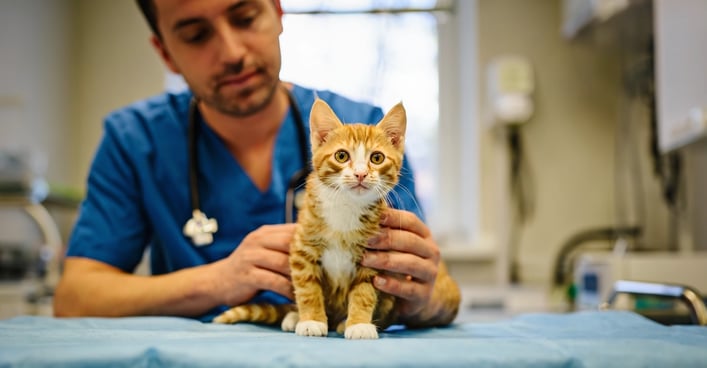
First Vet Visit for Kittens: Your Complete 2026 Preparation Guide
Prepare for your kitten's first vet visit with our expert guide. Learn what to expect, what to bring, and how to ensure a stress-free experience for your new feline friend.
Share this page
First Vet Visit for Kittens: Your Complete 2026 Preparation Guide
Your kitten's first veterinary appointment is a cornerstone of responsible pet ownership. This initial visit establishes a lifelong healthcare foundation, creates positive associations with veterinary care, and allows your vet to perform a crucial baseline health assessment. Proper preparation transforms this milestone from a stressful event into a smooth, informative experience for both you and your kitten.
Introduction
The first vet visit for your kitten is more than just a checkup; it's the starting point for a lifetime of preventive wellness. This appointment allows a professional to evaluate your new companion's health, initiate essential vaccinations, provide tailored nutritional advice, and address any concerns you have as a new pet parent. A well-prepared visit minimizes stress and maximizes the value of this critical healthcare step.
When to Schedule the First Visit
Timing Guidelines
Tags
kitten carefirst vet visitkitten healthcat vaccinationnew kitten guidepet wellness
Optimal Schedule:
Rescue or Adopted Kittens: Schedule within 48-72 hours of bringing them home.
Kittens from a Breeder: Typically between 6-8 weeks of age.
Found or Orphaned Kittens: As soon as possible, ideally by 4 weeks old.
General Rule: Allow 1-2 days for your kitten to settle into their new environment before the visit.
Schedule Immediately If You Notice:
Diarrhea or vomiting
Refusal to eat or drink
Lethargy or extreme weakness
Labored breathing
Eye or nasal discharge
Visible parasites (fleas, worms)
Any abnormal behavior
Choosing the Right Veterinarian
Selecting a veterinarian is a key decision. Consider the type of practice that best suits your kitten's needs.
Types of Veterinary Practices:
Type
Best For
Key Considerations
General Practice
Routine care for most kittens
Widely available, often cost-effective, provides comprehensive care.
Cat-Only Practice
Anxious cats or owners seeking feline expertise
Calmer environment, staff specialized in feline behavior and medicine.
Feline Specialist
Complex health issues or breed-specific concerns
Board-certified veterinarians (Diplomates of ABVP in Feline Practice), higher cost.
Low-Cost Clinic
Essential vaccinations and basic care
Budget-friendly for core services; may have limited hours or longer wait times.
Selection Criteria:
AAFP Cat Friendly Practice certification
Positive reviews from other cat owners
A clean, calm clinic environment (separate cat waiting area is a plus)
Willingness to answer questions thoroughly
Clear communication about services and pricing
Convenient location and hours
Availability for emergencies or referrals
Preparing for the Appointment
Documentation to Bring
Organize these items before you go:
Adoption/Purchase Records: Breeder contract, shelter paperwork, any prior health guarantees.
Health History: Any previous veterinary records or vaccination history.
Your Observations: Notes on eating habits, litter box use, behavior, and any symptoms.
Identification: A clear photo of your kitten, microchip info (if applicable), and your contact details.
Pre-Visit Checklist
24 Hours Before:
Gather all documentation and records.
Prepare a written list of questions for the vet.
Confirm with the clinic if fasting is required before the visit.
Prepare the carrier with familiar, soft bedding.
Plan your transportation route and timing.
Day of the Appointment:
Offer a small meal 2-3 hours prior (unless instructed to fast).
Place your kitten calmly into their carrier.
Pack favorite treats or a comfort item (like a small blanket).
Allow extra time for a calm journey.
Keep the car ride quiet and smooth.
Carrier Training: A Stress-Reducing Essential
A kitten comfortable in their carrier experiences significantly less anxiety. Follow this gradual training protocol:
Weeks 1-2: Create Positive Associations
Leave the carrier open in a favorite room with the door removed.
Place treats, toys, and cozy bedding inside.
Feed meals near, then eventually inside, the carrier.
Never use the carrier as a form of punishment.
Weeks 3-4: Build Comfort with Confinement
Encourage naps in the carrier with the door open.
Begin closing the door for short periods while your kitten eats a meal inside, then immediately open it.
Gradually increase the closed-door duration with positive reinforcement.
Week 5+: Practice Makes Perfect
Take short "trips" around the house with your kitten in the carrier.
Progress to brief, calm car rides (5-10 minutes) that end at home with praise and treats.
Always make the carrier a gateway to positive experiences.
What to Expect During the Visit
The Check-In Process
Waiting Room Strategy:
Keep the carrier covered with a light towel or blanket to create a secure, den-like feel.
Place the carrier on an elevated surface like a chair, away from foot traffic.
Maintain distance from dogs or other stressed animals.
If the waiting room is crowded or loud, ask if you can wait in your car until the exam room is ready.
The Comprehensive Examination
A typical first visit includes these components:
1. History Taking (5-10 minutes)
The veterinarian will ask detailed questions about:
Your kitten's origin, age, and how long they've been with you.
Their current diet, feeding schedule, and water intake.
Litter box habits and stool consistency.
Energy levels, play behavior, and sleep patterns.
Any specific symptoms or concerns you've noted.
Your home environment and other pets.
2. Physical Examination (10-15 minutes)
A thorough "nose-to-tail" assessment:
Weight & Vital Signs: Body weight, temperature, heart and respiratory rates.
Head & Senses: Eyes, ears, nose, and mouth checked for clarity, cleanliness, and signs of infection.
Body: Skin and coat evaluated for parasites or issues; abdomen palpated; lymph nodes and joints checked.
Movement: Gait and overall mobility observed.
3. Diagnostic Testing (As Recommended)
Fecal Exam: To check for intestinal parasites (very common in kittens).
FIV/FeLV Test: Blood test for Feline Immunodeficiency Virus and Feline Leukemia Virus, crucial for their long-term health management.
Other tests (ear swabs, skin scrapes) if symptoms are present.
4. Preventive Care Planning
Vaccination Schedule: Discussion of core vaccines (FVRCP, Rabies) and any lifestyle-based optional vaccines.
Parasite Prevention: Recommendations for safe, age-appropriate flea, tick, and heartworm prevention, plus a deworming protocol.
Understanding the Costs
Costs vary by region and practice type. Here's a general breakdown for a comprehensive first visit:
Service
Estimated Cost Range
Examination Fee
$50 - $100
Fecal Test
$25 - $45
FIV/FeLV Test
$50 - $100
Core Vaccine (FVRCP)
$25 - $50
Rabies Vaccine
$15 - $35
Deworming Treatment
$15 - $40
Monthly Flea Prevention
$15 - $30
Microchip Implantation
$25 - $60
Total Initial Visit
$220 - $460
Always request a detailed estimate from your clinic beforehand.
Initial protection against major respiratory and gastrointestinal viruses.
10-12 weeks
FVRCP #2
Essential booster to ensure full immunity.
14-16 weeks
FVRCP #3
Final kitten booster in the primary series.
1 year old
FVRCP Booster
Begins the adult vaccination schedule (typically every 3 years thereafter).
Rabies Vaccine:
Legally required in most municipalities.
First dose usually given between 12-16 weeks of age.
Boostered at 1 year, then every 1-3 years depending on local laws and vaccine type.
Optional/Lifestyle Vaccines
Feline Leukemia (FeLV): Highly recommended for kittens who will go outdoors or live with FeLV-positive cats. Series starts around 8 weeks.
Others (Bordetella, Chlamydia): Discuss with your vet if your kitten will be boarded, groomed, or is in a multi-cat shelter environment.
Essential Questions to Ask Your Veterinarian
Be an advocate for your kitten. Come prepared with questions:
Health & Development:
What is your assessment of my kitten's overall health?
What is their ideal target weight, and how should I monitor it?
Are there any breed-specific or congenital conditions I should be aware of?
Nutrition & Diet:
What type of food do you recommend for their life stage, and how much should I feed?
When is the appropriate time to transition from kitten to adult food?
Are treats acceptable, and what are healthy options?
Behavior & Home Care:
Is my kitten's behavior typical for their age? How can I address scratching or litter box issues?
What is the recommended age for spaying/neutering, and why?
What are the most important ways to kitten-proof my home?
After the Visit: Post-Appointment Care
Returning Home
Transport your kitten home directly in their secure carrier.
Place the carrier in a quiet, familiar room and let them exit on their own terms.
Provide fresh water, a small meal, and easy access to the litter box.
Allow them several hours of quiet, undisturbed time to decompress.
What to Monitor
Common, Mild Reactions (Should resolve in 24-48 hours):
Slight lethargy or sleepiness
Mild tenderness at the injection site
Temporarily reduced appetite
Contact Your Veterinarian Immediately If You Observe:
Vomiting or diarrhea
Significant swelling at the injection site
Hives, facial swelling, or difficulty breathing
Extreme lethargy or refusal to eat/drink lasting more than 24 hours
Building a Lifelong Veterinary Relationship
Recommended Care Schedule
Kittenhood (0-12 months): Visits every 3-4 weeks for vaccine boosters, plus a pre-surgical exam for spay/neuter.
Adulthood (1-7 years): Annual wellness exams, vaccine boosters as needed, and ongoing parasite prevention.
Senior Years (7+ years): Bi-annual exams are recommended, including bloodwork and blood pressure monitoring to catch age-related changes early.
Cost Planning for the First Year
Beyond the initial visit, budget for:
Expense
Estimated Cost Range
Follow-up Vaccine Visits (2-3)
$150 - $300
Spay/Neuter Surgery
$200 - $500
Annual Parasite Prevention
$150 - $300
Unexpected Illness Fund
$100 - $1,000+
Total First-Year Estimate
$820 - $2,560+
Cost-Saving Strategies:
Ask about Wellness Plans: Many clinics offer monthly payment options that bundle preventive services.
Enroll in Pet Insurance Early: Coverage is most affordable and effective when started on a young, healthy kitten.
Research low-cost spay/neuter and vaccination clinics in your area for basic services.
Special Circumstances
Orphaned or Foster Kittens: May require more frequent weight checks and specialized nutritional support. Discuss an accelerated care plan with your vet.
Multi-Cat Households: Ensure all cats are tested for FIV/FeLV before introductions and are up-to-date on vaccinations. A quarantine period for the new kitten is often advised.
Conclusion
Your kitten's first vet visit is a pivotal step in a journey toward a long, healthy, and happy life together. By preparing thoroughly—through carrier training, documentation, and informed questions—you set the stage for a positive experience that builds trust. View your veterinarian as a essential partner in your pet's care. This initial investment of time and resources establishes a proactive healthcare foundation, providing you with peace of mind and your kitten with the best possible start.
veterinary care
kitten preparation
Cat's Doctor
Get AI-powered advice about your cat's health and care. Enter your cat's information and start a conversation with our veterinary assistant.
Get expert advice about cat care, behavior, nutrition, grooming, and training. Ask our AI cat care expert anything about your cat and receive professional guidance.