First Aid for Cats: Your Essential Emergency Preparedness Guide for 2026
Be prepared to save your cat's life. This comprehensive guide covers vital first aid procedures, emergency kit essentials, and how to recognize critical signs.
Share this page
First Aid for Cats: Your Essential Emergency Preparedness Guide for 2026
By Dr. Sarah Mitchell, DVM | Updated: March 2026 | Reading Time: 18 minutes
Introduction
Mastering basic first aid for your cat is a critical component of responsible pet ownership. In an emergency, your immediate and appropriate actions can stabilize your feline companion, prevent further injury, and significantly improve their outcome while you transport them to professional veterinary care. This guide is not a substitute for a veterinarian but a vital bridge to get them there safely.
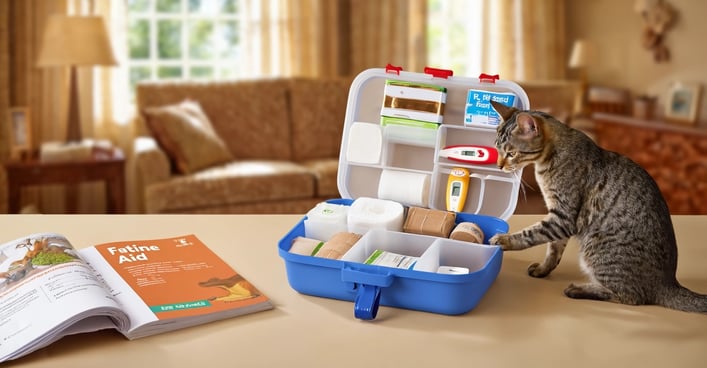
This comprehensive resource details common feline emergencies, step-by-step first aid procedures, and instructions for assembling a well-stocked first aid kit.
Severe Bleeding: Blood spurting or pooling; bleeding that doesn't stop with direct pressure.
Collapse/Unconsciousness: Unresponsive, unable to stand, seizures, extreme lethargy.
Suspected Poisoning: Known ingestion of a toxin, sudden severe vomiting/diarrhea (especially with blood), neurological signs (tremors, stumbling).
Urinary Blockage (Primarily Male Cats): Repeated trips to the litter box with little/no urine, crying in pain, lethargy, vomiting. This is a fatal emergency.
Major Trauma: Hit by car, fall from a significant height, large bite wounds, burns.
Urgent (Require Prompt Veterinary Attention)
Repeated vomiting or diarrhea (more than 2-3 times in 24 hours)
Not eating or drinking for 24+ hours
Eye injuries or sudden squinting
Sudden severe lameness or inability to use a limb
Deep skin wounds or abscesses
Step-by-Step First Aid Procedures
1. Safe Restraint and Handling
An injured, scared cat may bite or scratch. Your safety is paramount.
Towel Wrap (Burrito) Method: Drape a large towel over the cat, wrap snugly around the body, leaving only the head and the area needing treatment exposed. This calms and immobilizes.
Muzzle if Necessary: Use a commercial soft muzzle or create one from gauze or a cloth strip (never cover the nostrils).
Stay Calm: Your cat will mirror your energy. Speak softly and move deliberately.
2. Checking Vital Signs (Know What's Normal)
Temperature: Normal rectal temperature is 100.5°F - 102.5°F (38°C - 39.2°C).
Heart Rate: Normal is 140-220 beats per minute. Place your hand on the left chest behind the elbow.
Respiratory Rate: Normal is 20-30 breaths per minute at rest. Watch the chest rise and fall.
Capillary Refill Time (CRT): Press on the gum until it turns white. Release; color should return in 1-2 seconds.
3. Controlling Bleeding
For External Wounds: Apply direct, firm pressure with a sterile gauze pad for a full 5-10 minutes. Do not peek repeatedly. If blood soaks through, add more layers on top.
For Broken Nails: Apply styptic powder, cornstarch, or a bar of soap directly to the nail and hold pressure for 30-60 seconds.
DO NOT: Use tourniquets (except as a last resort for severe limb bleeding), remove deeply embedded objects, or apply hydrogen peroxide or alcohol directly to wounds.
4. Choking
Signs: Pawing at mouth, gagging, exaggerated swallowing, difficulty breathing, blue gums.
Action:
Carefully open the mouth and look for a visible object.
If clearly visible and easily accessible, use tweezers to remove it.
Do not blindly sweep the mouth with your finger, as you may push the object deeper.
If obstruction is not visible or easily removed, perform a modified Heimlich maneuver (hold cat with back against your chest, apply quick, firm compressions just below the rib cage) or rush to the vet immediately.
5. Poisoning
DO NOT induce vomiting unless specifically instructed by a veterinarian or poison control expert. Vomiting can be dangerous with caustic substances or petroleum products.
Call Immediately: Contact your emergency vet or a pet poison helpline. Have the product container/plant sample ready.
If Instructed to Induce Vomiting: Use 3% hydrogen peroxide (1 teaspoon per 10 lbs of body weight, max 3 teaspoons). Administer orally via syringe. Only effective within 2 hours of ingestion and only if the cat is conscious.
6. Seizures
During the Seizure: Clear the area of furniture and objects. Do not restrain the cat or put anything in its mouth. Time the seizure duration. Dim lights and reduce noise.
After the Seizure: The cat will be disoriented (post-ictal phase). Keep them warm, quiet, and confined in a safe space. Transport to the vet, especially if it's a first-time seizure or lasts more than 2-3 minutes.
7. Heatstroke
Signs: Excessive panting, drooling, bright red gums, lethargy, collapse.
Treatment:
Move the cat to a cool, shaded area immediately.
Wet the fur with cool (not ice-cold) water, focusing on the groin, armpits, and paw pads.
Use a fan to promote evaporation.
Monitor rectal temperature and stop active cooling at 103°F to prevent hypothermia.
Transport to the vet—internal damage can occur even after external signs improve.
8. Fractures & Limb Injuries
Do not attempt to set or splint the bone unless transport will be severely delayed.
Gently place the cat in a carrier or on a rigid surface (like a board or baking sheet) to minimize movement.
Keep them calm and confined.
Transporting an Injured Cat
Call Ahead: Alert your veterinary clinic that you are on your way with an emergency.
Secure the Cat: Place your cat in a secure, well-ventilated carrier. For suspected spinal injury, slide them onto a rigid board first.
Minimize Stress: Cover the carrier with a light towel or blanket to create a dark, den-like environment.
Drive Safely: Have someone else drive if possible so you can monitor your cat. Drive calmly but purposefully.
Prevention: The Best Medicine
Cat-Proof Your Home: Secure toxic substances (medications, cleaners, antifreeze, certain plants like lilies). Remove small, swallowable objects, strings, and ribbons. Ensure window screens are secure.
Maintain Preventive Care: Schedule annual wellness exams, keep vaccinations current, practice good dental hygiene, and maintain a healthy weight through proper diet.
Consider Pet Insurance: It can alleviate the financial stress of unexpected emergencies, allowing you to focus on your cat's care.
Conclusion: Be Prepared, Not Scared
Taking proactive steps today can save your cat's life tomorrow. Commit to:
Assembling a comprehensive first aid kit.
Learning basic procedures like restraint and bleeding control.
Programming emergency numbers into your phone.
Understanding your cat's normal behavior and vital signs.
Creating a safe, cat-proofed home environment.
First aid is temporary, stabilizing care. Always seek professional veterinary evaluation following any emergency. Your knowledge, preparedness, and calm action are powerful tools in protecting your feline family member.
Disclaimer: This guide is for informational purposes only and does not constitute veterinary medical advice. Always contact a veterinarian or animal poison control center immediately in case of an emergency.
Get expert advice about cat care, behavior, nutrition, grooming, and training. Ask our AI cat care expert anything about your cat and receive professional guidance.