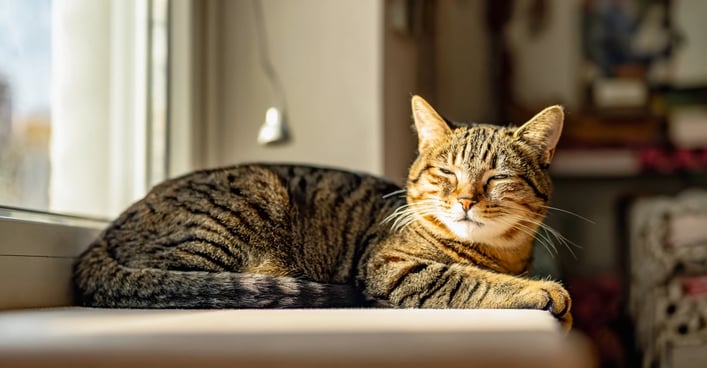
Feline Stress and Anxiety: Your Complete Guide to Calming Your Cat in 2026
Learn to recognize the signs of cat anxiety and discover proven calming techniques, environmental modifications, and effective products to help your stressed feline feel secure and content.
Share this page
Feline Stress and Anxiety: Your Complete Guide to Calming Your Cat in 2026
Meta: Recognize and treat cat anxiety effectively. This guide covers calming techniques, essential environmental modifications, and the best products to help your stressed feline feel secure and thrive.
Introduction
Cats are sensitive creatures who thrive on routine and familiarity. When their environment changes or their core needs aren't met, stress and anxiety can develop. Left unaddressed, chronic stress can lead to significant behavioral problems, health issues, and a diminished quality of life for your feline friend.
Understanding the subtle signs of feline anxiety and implementing effective management strategies is key to creating a home where your cat feels safe, secure, and truly content.
Inadequate response to environmental and behavioral modification alone.
Need for short-term help for predictable, high-stress events (e.g., moving).
Common Medications (Prescription Only)
Medication Class
Examples
Use Case
Key Notes
SSRIs
Fluoxetine (Prozac®), Paroxetine
Long-term, daily management of generalized anxiety
Takes 4-8 weeks for full effect; requires regular monitoring.
TCAs
Amitriptyline, Clomipramine
Often used for anxiety-related inappropriate elimination
Also used for long-term management.
Benzodiazepines
Alprazolam, Diazepam
Short-term or "as-needed" for situational anxiety (storms, travel)
Can cause sedation; not for long-term daily use.
Gabapentin
Gabapentin
Increasingly popular for situational anxiety (vet visits) and chronic pain/anxiety
Often given 2-3 hours before a stressful event.
Crucial: All medication must be prescribed and monitored by a veterinarian. Never use human medications or discontinue suddenly.
Cost Breakdown for Managing Feline Anxiety
Initial Assessment & Diagnosis
Service
Estimated Cost
Veterinary Examination
$50 - $100
Baseline Blood Work & Urinalysis
$100 - $200
Professional Behavior Consultation
$100 - $300
Initial Total Estimate
$250 - $600
Ongoing Monthly Management Costs
Product/Service
Estimated Monthly Cost
Pheromone Diffusers (e.g., Feliway)
$20 - $40
Calming Supplements (e.g., Zylkene)
$15 - $40
Prescription Calming Diet
$40 - $80
Prescription Medication (if needed)
$15 - $40
Environmental Enrichment Items
$10 - $30
Total Monthly Estimate
$100 - $230
Long-Term Management and Prevention
Monitoring Your Cat's Progress
Keep a Simple Journal:
Note potential triggers and your cat's specific reactions.
Track the frequency of unwanted behaviors.
Record any medication or supplement effects (positive or negative).
Share this log with your veterinary team for better guidance.
Prevention is Paramount:
Maintain Consistency: Stick to reliable routines for feeding, play, and care.
Provide Proactive Enrichment: Don't wait for boredom or stress to appear.
Schedule Regular Vet Check-ups: Annual exams catch health issues that can cause anxiety.
Nurture Your Bond: Positive, predictable interactions build security.
Frequently Asked Questions (FAQs)
Can cats have panic attacks?
Yes. Cats can experience acute, intense anxiety episodes resembling panic attacks, often triggered by loud noises, traumatic events, or severe phobias.
Will my cat's anxiety go away on its own?
Chronic anxiety rarely resolves without intervention. It typically worsens over time, making early diagnosis and a proactive management plan essential.
Can I give my cat human anti-anxiety medication?Absolutely not without explicit veterinary instruction. Many human drugs are toxic to cats, and dosages are vastly different. Always consult your vet.
How long does it take for calming products to work?
Pheromone Diffusers: May take 2-4 weeks for full environmental effect.
Oral Supplements (L-theanine, Casein): Often 2-4 weeks of consistent use.
Prescription Medications (SSRIs): Can take 4-8 weeks to reach full efficacy.
Situational Aids (Rescue Remedy, Gabapentin): Work within 30 minutes to a few hours.
Can anxiety in cats be cured?
While some situational anxieties resolve, chronic anxiety is typically a lifelong condition that is managed rather than cured. With a comprehensive plan, most cats show significant improvement and enjoy a high quality of life.
Conclusion
Feline anxiety is a common, treatable condition that affects countless cats. By learning to recognize the often-subtle signs, partnering with your veterinarian, and consistently applying environmental, behavioral, and sometimes medical strategies, you can profoundly improve your cat's well-being.
Trust your instincts—you know your cat best. If something seems "off," seek professional guidance. Your commitment to understanding and alleviating your cat's stress not only enhances their life but also deepens the unique and rewarding bond you share.
Disclaimer: This guide is for informational purposes only and does not constitute veterinary medical advice. Always consult with a qualified veterinarian before starting any new supplement, diet, or medication regimen for your cat. For severe anxiety or aggression, seek help from a board-certified veterinary behaviorist.
Get expert advice about cat care, behavior, nutrition, grooming, and training. Ask our AI cat care expert anything about your cat and receive professional guidance.