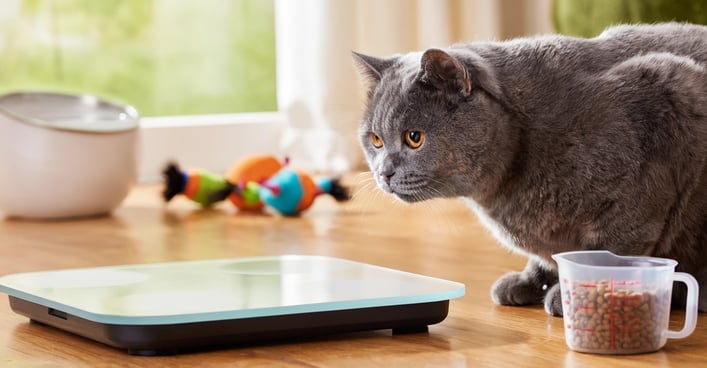
Feline Obesity: The 2026 Guide to Weight Management, Health Risks & Treatment
A comprehensive guide to understanding, preventing, and treating feline obesity. Learn about health risks, safe weight loss strategies, and how to ensure your cat lives a longer, healthier life.
Share this page
Feline Obesity: The 2026 Guide to Weight Management, Health Risks & Treatment
Feline obesity is one of the most common and preventable health issues affecting domestic cats today. With studies indicating that 25-40% of cats are overweight or obese, this epidemic poses serious risks that can drastically reduce both quality of life and lifespan. Understanding the causes, consequences, and effective management strategies is essential for every responsible cat owner.
Understanding Feline Obesity
Defining Overweight and Obese
Veterinarians use a Body Condition Score (BCS) system to assess a cat's weight:
Body Condition Score (1-9 scale):
1-3: Underweight (ribs, spine, and hips are easily visible)
4-5: Ideal weight (ribs are palpable with a slight fat covering, waist is visible)
6-7: Overweight (difficult to feel ribs, no visible waist, noticeable belly fat)
8-9: Obese (heavy fat cover, large belly, obvious health impacts)
Use visual barriers like room dividers or feeding boxes
Closely monitor each cat's individual intake
Preventing Food Theft:
Supervise all meal times initially
Feed cats in separate rooms if necessary
Pick up bowls immediately when finished
Watch for and manage any food-related bullying
Veterinary-Supervised Weight Loss Programs
When to Seek Veterinary Help
Your cat is clinically obese (BCS 8-9)
Previous weight loss attempts have failed
You suspect an underlying medical condition
Your cat is a senior (10+ years old)
Unexplained or rapid weight gain occurs
What Veterinary Programs Include
Initial Assessment:
Complete physical and orthopedic examination
Comprehensive blood work and urinalysis
Body composition analysis
Screening for underlying hormonal or metabolic diseases
Customized Weight Loss Plan:
Precise calorie calculation for target weight
Specific diet and brand recommendations
Tailored exercise and enrichment prescription
Detailed monitoring and follow-up schedule
Regular Follow-Up:
Weight checks every 2-4 weeks
Body condition score reassessment
Adjustments to the plan based on progress
Ongoing motivation and owner support
Medical Interventions
Prescription Medications
Note: As of 2026, there are no FDA-approved weight loss drugs for cats.
Dirlotapide (Slentrol) is an appetite suppressant approved for dogs only.
In some complex cases, veterinarians may use certain medications off-label under strict supervision.
Treatment of Underlying Conditions
Thyroid medication if hypothyroidism is diagnosed
Management of insulin resistance or metabolic syndrome
Addressing any concurrent illnesses that affect weight
Cost of Feline Obesity Management
Initial Veterinary Costs
Service
Cost Range
Physical examination
$50 - $100
Blood work (CBC, chemistry, thyroid)
$150 - $300
Urinalysis
$30 - $60
Body composition analysis
$50 - $100
Total Initial Assessment
$280 - $560
Ongoing Costs
Diet Costs:
Food Type
Monthly Cost
Prescription weight loss diet
$60 - $120
Premium over-the-counter weight management
$40 - $80
Wet food-only diet
$80 - $150
Essential Supplies:
Item
Cost
Digital kitchen food scale
$15 - $30
Accurate measuring cups
$5 - $15
Interactive puzzle feeders
$15 - $50 each
Durable interactive toys
$20 - $100
Follow-Up Veterinary Care:
Service
Cost
Progress weight check visit
$25 - $50 each
Recheck blood work (every 6 months)
$150 - $300
Treatment of Obesity-Related Conditions
Condition
Estimated Treatment Cost
Diabetes management (annual)
$2,000 - $5,000
Arthritis management (annual)
$1,500 - $3,000
Fatty liver disease treatment (acute episode)
$2,000 - $5,000
Urinary tract disease treatment
$500 - $2,000
Annual Cost Comparison
Scenario
Annual Cost Range
Proactive weight management program
$800 - $2,000
Managing obesity-related diabetes
$2,000 - $5,000
Managing obesity combined with arthritis
$3,000 - $6,000+
Maintaining Weight Loss
Long-Term Strategies
Permanent Diet Changes:
Commit to lifelong measured feeding
Adjust portions as metabolism changes with age
Continue monthly weight monitoring at home
Schedule periodic veterinary re-evaluations
Sustained Exercise Routine:
Maintain daily interactive play sessions
Continuously refresh the home environment
Adapt activities for aging joints
Introduce new toys and puzzles regularly
Behavioral Management:
Redirect begging behaviors with play, not food
Continue using puzzle feeders for mental engagement
Use affection, grooming, or play as rewards instead of treats
Stick to a consistent daily feeding schedule
Monitoring Success
Track Progress:
Monthly weight checks on the same scale
Quarterly Body Condition Scoring
Observing changes in activity level and playfulness
Overall assessment of health and vitality
Warning Signs:
Weight loss plateau for more than 2-3 weeks
Unexplained weight regain
Significant changes in appetite or thirst
Noticeable decrease in activity or mobility
Prevention of Obesity
Kitten and Young Cat Strategies
Establish Good Habits Early:
Implement scheduled meal times from kittenhood
Feed age-appropriate, measured portion sizes
Incorporate regular, vigorous play into daily routine
Limit treats to <10% of daily caloric intake
Neutering Considerations:
Proactively reduce daily calories by 20-30% after surgery
Increase weight monitoring in the months following neutering
Adjust diet to a "neutered" or "light" formula if needed
Make a concerted effort to maintain play and exercise
Adult Cat Maintenance
Ongoing Vigilance:
Conduct regular at-home weight checks
Ensure consistent daily exercise and play
Feed a diet appropriate for life stage and activity level
Commit to annual veterinary wellness examinations
Senior Cat Considerations
Age-Related Adjustments:
May require a shift to a senior-specific or renal-support diet
Adapt exercise to match mobility (e.g., low-impact play)
Monitor for sarcopenia (age-related muscle loss), not just fat
Increase frequency of veterinary health screenings
Special Considerations
Medical Conditions Affecting Weight
Conditions That Can Cause Weight Gain:
Hypothyroidism (rare but possible in cats)
Cushing's disease (hyperadrenocorticism)
Insulinoma
Side effects of corticosteroids or other drugs
Conditions Requiring Specialized Diets:
Chronic kidney disease (CKD)
Diabetes mellitus
Food allergies or intolerances
Inflammatory bowel disease (IBD)
Working with Difficult Cases
Food-Obsessed Cats:
Utilize multiple puzzle feeders to extend eating time
Divide the daily food allowance into 6-8 micro-meals
Incorporate non-food related enrichment throughout the day
Provide ample mental stimulation to distract from food focus
Multiple Cat Households:
Implement individual feeding stations in separate areas
Invest in microchip-activated smart feeders
Closely supervise all meal times initially
Be prepared to feed cats in separate rooms if necessary
Senior or Disabled Cats:
Design adapted, low-impact exercise programs
Use physical therapy techniques (e.g., passive range of motion)
Consider joint supplements (e.g., glucosamine, omega-3s) under veterinary guidance
Ensure easy access to all resources (food, water, litter, beds)
Success Stories and Expectations
Realistic Timeline
Weight Loss Expectations:
Maximum safe loss: 1-2% of body weight per week
A 10% total body weight loss is typically achieved over 3-4 months
Reaching an ideal weight may take 6 to 12 months
Weight maintenance is a lifelong commitment
Health Improvements
Benefits of Weight Loss:
Markedly increased energy and playfulness
Restored ability to self-groom effectively
Reduced pain and inflammation from arthritis
Significantly lower risk of developing diabetes
Dramatically improved overall quality of life
Potentially extended lifespan
Timeline for Observable Benefits:
Increased energy: Often seen within 2-4 weeks
Improved mobility: Noticeable in 4-8 weeks
Reduced arthritic pain: Can improve within 4-12 weeks
Better grooming habits: Typically returns in 4-8 weeks
Systemic health benefits: Ongoing with maintained weight
Conclusion
Feline obesity is a widespread, preventable, and treatable condition with profound impacts on health and wellbeing. With 25-40% of cats affected, proactive weight management must be a priority for every cat owner. The serious consequences—including diabetes, debilitating arthritis, life-threatening liver disease, and a shortened lifespan—are largely avoidable with proper care.
Successful management hinges on a dedicated combination of appropriate nutrition, increased physical activity, and consistent monitoring. While the costs of a veterinary-supervised program and prescription diets may range from $800-$2,000 annually, they are a prudent investment compared to the $2,000-$6,000+ annual costs of treating obesity-related diseases, not to mention the immeasurable value of your cat's comfort and longevity.
Remember, safe weight loss is gradual. Aim for a maximum of 1-2% of body weight per week to avoid dangerous complications like hepatic lipidosis. Partner closely with your veterinarian to create a personalized, effective plan.
Prevention is paramount. Establish healthy feeding and exercise habits from the start, maintain regular veterinary checkups, and address any weight gain promptly. With dedication, knowledge, and proper care, you can help your cat achieve and maintain a healthy weight, paving the way for a longer, more active, and happier life together.
This article is for informational purposes only and is not a substitute for professional veterinary advice, diagnosis, or treatment. Always consult your veterinarian before initiating any weight loss program or changing your cat's diet.
Get expert advice about cat care, behavior, nutrition, grooming, and training. Ask our AI cat care expert anything about your cat and receive professional guidance.