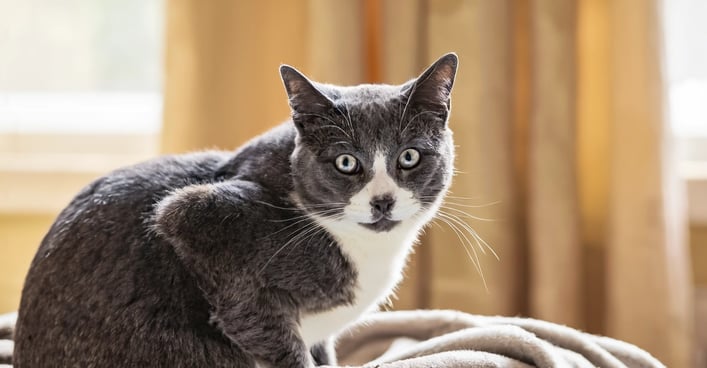
Feline Hyperthyroidism: The 2026 Guide to Symptoms, Diagnosis, and Treatment
A comprehensive guide to feline hyperthyroidism, covering early symptoms, modern diagnostic methods, and all treatment options to help your senior cat live a long, healthy life.
Share this page
Feline Hyperthyroidism: The 2026 Guide to Symptoms, Diagnosis, and Treatment
By Dr. Sarah Williams, DVM | Published: January 15, 2026 | Reading Time: 16 minutes
Introduction
Feline hyperthyroidism is the most common endocrine disorder in senior cats, affecting approximately 10% of felines over ten years of age. This condition results from the overproduction of thyroid hormones, which dangerously accelerates the body's metabolism. While serious if left untreated, the prognosis is excellent with modern veterinary care. Multiple effective treatment options exist, allowing diagnosed cats to enjoy a high quality of life for many years.
Understanding Hyperthyroidism
What Is the Thyroid Gland?
The thyroid consists of two small glands in the neck responsible for producing vital hormones:
T3 (Triiodothyronine): The active, potent form of thyroid hormone.
T4 (Thyroxine): A storage hormone the body converts to T3 as needed.
Feline Hyperthyroidism: The 2026 Guide to Symptoms, Diagnosis, and Treatment - Articles
Primary Functions of Thyroid Hormones:
Regulating metabolic rate and energy production
Controlling heart rate and cardiovascular function
Maintaining normal body temperature
Influencing digestive efficiency and muscle strength
Supporting healthy nervous system activity
What Causes Hyperthyroidism?
In the vast majority of cases (over 98%), the cause is a benign thyroid tumor.
Adenomatous Hyperplasia: Non-cancerous enlargement of thyroid tissue.
Thyroid Adenomas: Benign tumors that overproduce hormone.
These typically affect both thyroid glands.
Malignant thyroid carcinomas are rare (about 2% of cases) but are more aggressive and may spread, requiring a different treatment strategy.
Established Risk Factors:
Factor
Associated Risk Level
Age 10+
Very High
Age 12+
Highest
Indoor-Only Lifestyle
Higher
Diet High in Canned Food
Higher
Exposure to Certain Flame Retardants (PBDEs)
Possible Link
High Consumption of Fish-Flavored Foods
Possible Link
Note: Despite ongoing research, the precise cause of the benign tumor development remains unknown.
Symptoms and Early Detection
The Four Cardinal Signs
Early recognition is key to successful management. Watch for this classic quartet of symptoms:
Unexplained Weight Loss Despite Increased Appetite
Gradual, noticeable thinning over weeks or months.
Often accompanied by muscle wasting, especially along the spine and hindquarters.
The cat may appear "skinny" or "bony" despite eating well.
Ravenous Appetite (Polyphagia)
Constant begging, stealing food, or vocalizing for meals.
Eating rapidly or scavenging.
Hyperactivity and Restlessness
Inability to settle, pacing, or nighttime wakefulness.
May present as increased irritability or aggression.
Increased Thirst and Urination (Polydipsia/Polyuria)
Drinking from unusual places; larger, more frequent urine clumps in the litter box.
Additional Common Symptoms
Gastrointestinal Issues:
Symptom
Frequency
Vomiting
Common
Diarrhea or Increased Stool Volume
Common
Greasy or Poor-Quality Stool
Occasional
Behavioral & Physical Changes:
Change
Typical Presentation
Poor Coat Condition
Unkempt, matted, or greasy fur
Rapid Heart Rate (Tachycardia)
Detectable by your vet
Heart Murmur
Result of cardiac strain
Palpable Neck Nodule
Enlarged thyroid gland ("goiter")
Heat Intolerance
Seeking cool surfaces
Risk by Age Group:
Age Range
Approximate Risk
8-10 years
2-3%
10-12 years
8-10%
12-15 years
12-15%
15+ years
15-20%
Diagnosis: A Multi-Step Process
1. Physical Examination
Your veterinarian will:
Palpate the neck for an enlarged thyroid gland.
Listen to the heart for murmurs, arrhythmias, or elevated rate (>200 bpm).
Assess body condition score, weight, and muscle mass.
Check blood pressure (hypertension is common).
2. Blood Tests: The Cornerstone of Diagnosis
Thyroid-Specific Panels:
Total T4: The initial screening test. A level consistently above the normal range (typically >4.0 μg/dL) is diagnostic.
Free T4 (by Equilibrium Dialysis): A more sensitive test used when Total T4 is borderline or normal, but clinical signs are strong.
Thyroid Stimulating Hormone (TSH): Usually low or undetectable in hyperthyroid cats; helpful in complex cases.
Comprehensive Blood Work is crucial to assess overall health and plan treatment:
Chemistry Panel: Often shows elevated liver enzymes. Kidney values may appear artificially normal due to increased blood flow.
Complete Blood Count (CBC): May indicate a stress response.
SDMA: An early marker of kidney function, vital for treatment planning.
3. Advanced Imaging (When Needed)
Chest X-rays / Echocardiogram: To evaluate heart size and function, especially if a murmur is present.
Abdominal Ultrasound: To assess kidney architecture and rule out other concurrent diseases.
Thyroid Scintigraphy: A nuclear medicine scan that visually maps active thyroid tissue; excellent for confirming diagnosis and guiding I-131 treatment.
Treatment Options: Weighing the Choices
1. Radioactive Iodine (I-131) Therapy: The Gold Standard
How it Works: A single, subcutaneous injection of radioactive iodine is selectively absorbed by overactive thyroid cells, destroying them while sparing normal tissue.
Advantages & Disadvantages:
Advantages
Disadvantages
Curative in 95-98% of cases with one treatment.
Higher upfront cost ($1,500-$3,500).
No daily medication or surgery required.
Requires specialized facility and 3-7 day hospitalization.
Minimally invasive (just an injection).
Brief radiation safety precautions at home post-discharge.
Treats all abnormal tissue, even if not palpable.
Not suitable for cats with severe concurrent illness.
2. Oral Medication (Methimazole/Carbimazole): Medical Management
How it Works: Daily medication that blocks thyroid hormone production. It controls but does not cure the disease.
Considerations:
Forms: Tablets, transdermal ear gel, or flavored liquids.
Cons: Requires lifelong, twice-daily dosing and regular blood monitoring. Potential side effects include vomiting, lethargy, and (rarely) serious blood or liver issues.
Best For: Cats who are poor candidates for anesthesia/radiation, or as a trial before permanent treatment.
3. Surgical Thyroidectomy: A Curative Procedure
How it Works: Surgical removal of the affected thyroid gland(s) under general anesthesia.
Considerations:
Pros: Can be curative immediately.
Cons: Carries anesthesia and surgical risks (bleeding, nerve damage, hypocalcemia). May not be suitable for cats with significant heart or kidney disease. Recurrence is possible if all abnormal tissue isn't removed.
How it Works: Limits the raw material (iodine) needed to make thyroid hormone. Must be fed exclusively—no other food, treats, or flavored medications.
Considerations:
Pros: Non-invasive, no pills or injections.
Cons: Requires absolute dietary compliance, challenging in multi-pet homes. It controls but does not cure the disease. Long-term nutritional adequacy is a consideration.
Monitoring, Prognosis, and Costs
Long-Term Management
Regardless of treatment, ongoing monitoring is essential:
First 3 Months: Frequent rechecks (every 2-6 weeks) to adjust medication or confirm cure.
Long-Term: Biannual or annual vet visits to check T4, weight, blood pressure, and kidney function.
Managing Concurrent Conditions
Heart Disease: Hyperthyroidism can cause secondary heart muscle thickening. Treating the thyroid often reverses this.
Kidney Disease: A critical consideration. Hyperthyroidism can mask kidney failure by increasing blood flow. Treatment may "unmask" it, requiring a balanced approach to manage both conditions.
Hypertension: High blood pressure is common and must be treated to prevent blindness or stroke.
Prognosis: Excellent with Treatment
With Radioactive Iodine or Successful Surgery: Normal life expectancy and excellent quality of life.
With Consistent Medical or Dietary Management: Good to excellent quality of life and normal lifespan, provided there is strict owner compliance.
Without Treatment: Progressive weight loss, heart failure, and severe hypertension lead to a poor quality of life and death within 1-2 years.
Cost Overview (2026 Estimates)
Treatment Method
Initial/First-Year Cost
Long-Term (5-Year) Cost
Radioactive Iodine (I-131)
$2,000 - $3,500 (one-time)
~$2,000 - $4,000 (includes monitoring)
Medical Management
$800 - $1,500
$3,200 - $7,000
Prescription Diet (y/d)
$1,000 - $2,500
$4,000 - $12,000
Surgery
$1,500 - $3,000
~$2,000 - $4,000 (includes monitoring)
Costs vary significantly by geographic location, clinic, and individual cat's needs.
Frequently Asked Questions (2026)
Q: Is hyperthyroidism a death sentence for my cat?A: Absolutely not. With modern treatment, it is a highly manageable condition, and cats typically live normal, full lifespans.
Q: What is the single best treatment?A: Radioactive iodine is considered the gold standard due to its high cure rate and convenience. However, the "best" treatment is the one that fits your cat's specific health profile and your family's capabilities for care and monitoring.
Q: My cat was just diagnosed. How urgent is treatment?A: While not typically an emergency, you should begin a treatment plan within a few weeks of diagnosis to prevent progressive damage to the heart and other organs.
Q: Will treating hyperthyroidism hurt my cat's kidneys?A: Treatment doesn't cause kidney disease. It may reveal underlying kidney issues that were masked. Your vet will design a plan to safely manage both conditions.
Q: Are there natural remedies for hyperthyroidism?A: No proven natural cure exists. Some supplements may support overall health but cannot replace definitive medical treatment for this serious hormonal imbalance. Always consult your veterinarian.
Disclaimer: This guide is for educational purposes to empower pet owners. It is not a substitute for professional veterinary advice, diagnosis, or treatment. Always consult your veterinarian regarding your cat's health.
Get expert advice about cat care, behavior, nutrition, grooming, and training. Ask our AI cat care expert anything about your cat and receive professional guidance.