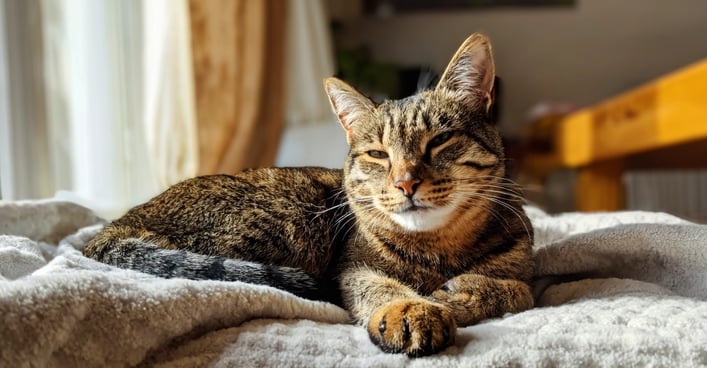
Feline Arthritis: The 2026 Guide to Diagnosis, Treatment & Pain Management
A comprehensive guide to recognizing, diagnosing, and managing arthritis in cats. Learn about subtle signs, effective treatments, and cost-effective strategies to improve your cat's comfort.
Share this page
Feline Arthritis: The 2026 Guide to Diagnosis, Treatment & Pain Management
Feline arthritis, clinically known as osteoarthritis or degenerative joint disease (DJD), is a progressive and painful condition affecting a vast number of cats, especially seniors. It remains critically underdiagnosed because cats are masters at concealing discomfort. Early recognition and a proactive management plan are essential for preserving your cat's mobility and quality of life.
Understanding Feline Arthritis
What Is Arthritis?
Arthritis is a degenerative condition involving the breakdown of the protective cartilage within joints. This cartilage acts as a cushion, allowing bones to glide smoothly. As it deteriorates, bone-on-bone contact causes inflammation, pain, stiffness, and reduced mobility.
Types of Arthritis in Cats
Osteoarthritis (Degenerative Joint Disease)
Most common type (wear-and-tear)
Develops gradually; age is a primary risk factor
Affects an estimated 60-90% of cats over 12 years old
Physical Therapy & Hydrotherapy: Builds muscle strength with low-impact exercise.
Therapeutic Massage & Ultrasound: Improves circulation and reduces muscle tension.
4. Weight Management
This is the single most important modifiable factor. Even a small amount of weight loss can dramatically reduce joint stress and pain.
5. Environmental Modifications
Make your home accessible and comfortable:
Litter Boxes: Use low-sided or ramped boxes placed on every floor.
Sleeping Areas: Provide orthopedic or heated beds in warm, draft-free spots.
Accessibility: Install ramps or pet stairs to favorite furniture and windowsills.
Flooring: Use non-slip rugs to prevent slipping on hard surfaces.
Feeding: Raise food/water bowls to a comfortable height.
6. Surgical Options (for severe cases)
Femoral Head Ostectomy (FHO): Removes the head of the femur to relieve hip pain.
Arthrodesis (Joint Fusion): Eliminates motion in a severely painful joint.
Joint Replacement: Rare and costly, but an option for specific joints.
Cost Breakdown for 2026
Initial Diagnostic Costs
Service
Cost Range
Physical Examination
$50 – $100
X-rays
$150 – $400
Blood Work
$150 – $300
Total Initial Diagnostics
$450 – $1,000
Monthly Ongoing Management
Plan
Items
Monthly Cost Range
Basic
Supplements + Basic Pain Meds
$55 – $140
Comprehensive
Premium Supplements + Medications + Therapy
$195 – $410
Annual Cost Overview (Including Vet Rechecks)
Level of Care
Annual Cost Range
Basic Management
$1,300 – $3,000
Moderate Management
$2,500 – $5,000
Comprehensive Management
$4,000 – $8,000
Note: One-time environmental modification costs (beds, ramps, etc.) typically range from $200-$640.
Creating a Long-Term Management Plan
Partner with Your Veterinarian: Establish a baseline and schedule regular rechecks (every 3-6 months).
Implement Home Care:
Monitor Daily: Track mobility, grooming, litter box use, and mood.
Encourage Gentle Exercise: Short, frequent play sessions.
Provide Warmth: Heated beds or warm compresses can soothe stiff joints.
Assess Quality of Life: Regularly evaluate your cat's ability to move, eat, groom, and show interest in their surroundings. Work with your vet to make compassionate decisions if pain cannot be adequately controlled.
Prevention & Early Intervention
Maintain a Lean Body Weight throughout your cat's life.
Promote Regular, Appropriate Exercise to maintain muscle strength.
Provide a Balanced Diet and consider joint supplements for at-risk breeds or seniors.
Schedule Regular Veterinary Checkups, especially for cats over 7 years old.
Conclusion
Feline arthritis is a highly manageable condition. By learning to recognize its subtle signs and committing to a comprehensive treatment plan—encompassing weight control, medication, supplements, and home modifications—you can ensure your cat enjoys a comfortable, happy, and engaged life in their senior years. Never dismiss changes as "just old age"; proactive veterinary care is the key to effective pain management.
This article is for informational purposes only and is not a substitute for professional veterinary advice, diagnosis, or treatment. Always seek the advice of your veterinarian with any questions regarding your pet's medical condition.
Get expert advice about cat care, behavior, nutrition, grooming, and training. Ask our AI cat care expert anything about your cat and receive professional guidance.