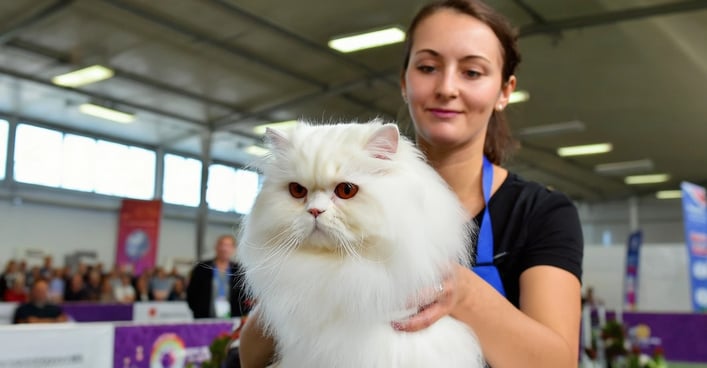
The Complete Guide to Cat Show Grooming and Handling for 2026
Master breed-specific grooming, professional handling, and show-day etiquette to present your cat with confidence and win in the ring.
Share this page
The Complete Guide to Cat Show Grooming and Handling for 2026
Meta: Master the art of cat show presentation. This definitive guide covers breed-specific grooming, expert handling techniques, show-day protocols, and essential etiquette to help you and your feline champion succeed.
Introduction
Achieving success in the cat show ring is a blend of art, science, and partnership. While a beautiful cat is the foundation, meticulous grooming and confident, gentle handling are what transform potential into podium placements. This comprehensive guide is designed for both first-time exhibitors and seasoned competitors, providing the knowledge to present any cat—from a beloved household pet to a pedigreed champion—at their absolute best.
We will explore a structured grooming timeline, essential tools, breed-specific protocols, and the nuanced handling techniques that judges notice. Let's prepare you and your cat to shine.
Use a sectional combing technique to work through the coat without pulling.
Schedule bathing 1-2 weeks before the show to allow oils to rebalance.
Consider professional grooming assistance.
Breed-Specific Grooming Protocols
Persian & Himalayan: The Pinnacle of Presentation
Daily Routine:
A full 30+ minute comb-through to prevent mats.
Meticulous face cleaning to prevent tear stains.
Regular paw pad checks and trimming.
Pre-Show Bath (1 Week Prior):
Use a degreasing shampoo first.
Follow with a whitening shampoo for light coats.
Apply a rich conditioner for manageability.
Final cool-water rinse to enhance shine.
Special Notes: Tear stain prevention is critical. A low-oil diet can improve coat quality. Many exhibitors rely on professional groomers.
Estimated Weekly Prep: 2-4 hours.
Maine Coon: Maintaining the Majestic Look
Coat Characteristics: Dense undercoat with a water-resistant topcoat, full ruff, and bushy tail.
Grooming Schedule:
Brush 3-4 times weekly minimum, focusing on the ruff, britches, and tail.
Trim paw tufts for a neat appearance.
Show Preparation:
Bathing is often optional due to natural oils; if bathed, use heavy conditioner.
Coat Characteristics: Short, fine, close-lying, and naturally glossy.
Grooming Needs:
Weekly brushing is typically sufficient.
Polish with a silk scarf or chamois cloth between shows.
Minimal bathing required.
Show Day: A quick brush and chamois polish are all that's needed.
Estimated Weekly Prep: 30 minutes.
Sphynx & Hairless Breeds: Specialized Skin Care
Weekly Care:
Bathing is essential to remove skin oils.
Thorough ear cleaning (prone to wax buildup).
Nail cleaning.
Bathing Protocol: Use a mild, moisturizing shampoo, rinse thoroughly, and dry gently. A light, non-greasy moisturizer may be needed.
Show Preparation: Bathe 1-2 days prior. Keep the cat warm, as they chill easily.
Estimated Weekly Prep: 1-2 hours.
Scottish Fold
Special Focus:
Meticulous ear cleaning is vital, as folded ears can trap debris.
Groom to emphasize a round, well-padded appearance.
Maintain a neat, dense coat.
Bengal
Coat Characteristics: Short, dense, pelt-like coat with a unique glitter or sheen.
Preparation:
Brushing enhances natural sheen.
Diet profoundly affects coat quality.
Minimal bathing. Nail caps are often used for safety.
The Show Day Grooming Station
Your Mobile Command Center
Essential Items to Pack:
Grooming Tools:
Your primary comb and brush.
Nail clippers and file.
Styptic powder, towels, and a water spray bottle.
Cleaning Supplies:
Eye wipes and ear cleaner.
Soft face cloths and waterless shampoo.
Stain remover (e.g., cornstarch for emergencies).
Finishing Products:
Show shine spray.
Talcum powder (for white cats).
Chamois cloth.
Dryer sheets for static control.
Quick Touch-Up Techniques
Face Freshening:
Use a damp cloth to wipe nose leather and eye corners.
Clean only the visible part of the ear interior.
Coat Revitalization:
Light brushing followed by a fine water mist and smoothing.
A final polish with a chamois.
Use a dryer sheet to combat static.
Paw Perfection:
Wipe pads with a damp cloth.
Check and trim any stray fur between toes.
Ensure nails are smooth and short.
Expert Handling Techniques for the Ring
The Handler's Philosophy
Your role is to present the cat to its best advantage while ensuring its comfort and safety. Confidence is contagious; a calm handler fosters a calm cat. This is a partnership built on trust and positive reinforcement.
Picking Up, Carrying, and Presenting
The Proper Lift:
Approach from the front or side.
Support the chest with one hand and the hindquarters with the other.
Lift smoothly and secure the cat comfortably against your body.
On the Judging Table:
Lower the cat gently onto the table, providing support until it is settled.
For "stacking," position the cat in its natural show pose: legs straight, head alert, tail appropriately placed.
During examination, allow the judge to approach while you stand ready to assist if needed. Guide the cat gently; never force movement.
Handling Different Personalities
The Nervous Cat:
Use a soothing voice and keep movements slow.
Hold the cat close to your body for security.
A familiar blanket in the cage can help.
The Active/Spirited Cat:
Maintain firm but gentle control.
Practice extensively at home to burn energy.
Use the show cage strategically for brief containment.
Important Note: If a cat shows consistent aggression or extreme stress, reconsider if showing is in its best interest. Judges may excuse cats for behavioral reasons.
Training for Show Success
At-Home Practice Regimen
Simulate the Environment:
Set up a table at home to practice stacking and examination.
Acclimate your cat to a show-size cage, including eating and drinking inside it.
Desensitize to noises by playing recordings of show hall ambiance.
Building the Relationship:
Incorporate short, positive handling sessions into daily routine.
Always end on a good note with praise or a treat.
Gradually introduce new people and mild distractions to build confidence.
Show Day Etiquette & Professional Protocol
Before and In the Ring
Check-In & Waiting:
Arrive early. Know your ring and number.
Keep your cat in its carrier until called.
Maintain a calm, quiet presence in the benching area.
Ring Procedure:
Approach the table when the judge signals.
State your cat's number clearly and confidently.
During judging, remain silent, attentive, and ready to assist if asked.
Accept ribbons graciously and thank the judge.
The Cornerstones of Sportsmanship
Always:
Congratulate fellow exhibitors.
Accept all decisions with grace.
Be courteous and helpful to judges, clerks, and other handlers.
Never:
Publicly criticize judging or other cats.
Argue with officials.
Display poor sportsmanship. The cat fancy is a community.
Investment Overview
Initial & Ongoing Costs
Initial Grooming Investment:
Item
Cost Range
Quality Grooming Tools
$100 – $200
Show Shampoos & Products
$50 – $100
Grooming Table
$75 – $150
High-Velocity Dryer (Long-hair)
$100 – $300
Total Initial Outlay
$325 – $750
Approximate Annual Costs:
Item
Cost Range
Consumable Products (Shampoo, etc.)
$100 – $200
Tool Replacement/Maintenance
$50 – $100
Professional Grooming Services (Optional)
$300 – $1,000+
Coat Health Supplements
$100 – $200
Total Annual
$550 – $1,500+
Common Pitfalls to Avoid
Grooming Mistakes:
Over-Bathing: Strips essential oils, leading to a dry, dull coat.
Under-Grooming: Results in mats and a generally unkempt appearance.
Last-Minute Rush: Causes stress and leads to an incomplete presentation.
Handling Errors:
Projecting Nervousness: Your cat will mirror your anxiety.
Poor Positioning: Failing to show the cat's best features to the judge.
Insufficient Training: Entering the ring with an unprepared cat is unfair to both of you.
Advanced Tips for the Dedicated Exhibitor
Optimal Coat Conditioning:
Diet: Prioritize high-quality protein and Omega-3/6 fatty acids.
Treatments: Consider hot oil treatments for longhairs, leave-in conditioners, and professional glossing sprays.
Problem-Solving:
Stains: Use cornstarch as a dry cleaner, followed by brushing. Prevent with regular cleaning.
Static: Increase humidity, use anti-static spray, or lightly run a dryer sheet over the coat.
Dull Coat: Re-evaluate diet, ensure proper brushing technique, and rule out underlying health issues.
Conclusion
Mastering cat show grooming and handling is a rewarding journey that deepens the bond with your feline companion. It combines meticulous preparation with the art of presentation and the heart of partnership. Remember, the ultimate goal is to showcase a healthy, happy cat. The skills you develop—patience, attention to detail, and compassionate handling—extend far beyond the show ring, enriching your cat's life every day.
Start with the fundamentals, seek mentorship from experienced breeders, practice consistently, and, most importantly, enjoy the process of presenting your cat at its magnificent best.
Disclaimer: Recommendations are general guidelines. Always consult breed-specific standards and seek advice from experienced breeders and judges for your particular cat.
Get expert advice about cat care, behavior, nutrition, grooming, and training. Ask our AI cat care expert anything about your cat and receive professional guidance.