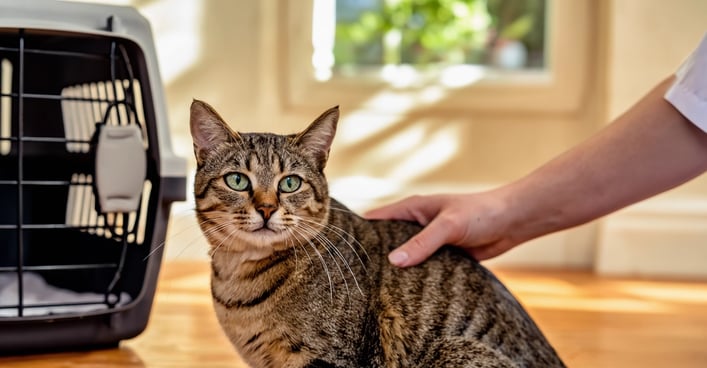
The Complete Guide to Cat Microchipping in 2026: Safety, Registration & Peace of Mind
A permanent, safe ID solution for your cat. This guide covers how microchipping works, the procedure, costs, and why it's essential for every pet owner in 2026.
Share this page
The Complete Guide to Cat Microchipping in 2026: Safety, Registration & Peace of Mind
Every year, millions of cats go missing—slipping out open doors, escaping during moves, or becoming displaced during emergencies. Without proper identification, the chances of a happy reunion plummet. While collars and tags offer immediate visibility, they can fall off or be removed. Microchipping provides a permanent, reliable form of identification that significantly increases the odds of bringing your cat home.
This comprehensive guide for 2026 covers everything you need to know: how microchipping technology works, the simple implantation process, the critical importance of registration, and how to integrate it into your overall pet safety plan.
Understanding Microchipping Technology
What Is a Microchip?
A pet microchip is a tiny electronic device, roughly the size of a grain of rice (12mm x 2mm), that provides permanent identification for your cat. It uses Radio Frequency Identification (RFID) technology to transmit a unique identification number when scanned by a compatible reader.
The Complete Guide to Cat Microchipping in 2026: Safety, Registration & Peace of Mind - Articles
Key Technical Specifications
Passive Device: Contains no battery; activated by a scanner's radio waves.
Frequency: The most common and globally accepted chips use 134.2 kHz (ISO standard).
Lifespan: Designed to last your pet's lifetime.
Materials: Encapsulated in biocompatible glass to prevent tissue rejection.
Unique ID: Each chip contains a unique, unalterable 15-digit number.
How the Microchip System Works
Implantation: A veterinarian inserts the microchip under the skin between the shoulder blades using a sterile, pre-loaded applicator.
Scanning: If your cat is lost and found, a shelter or vet clinic will pass a universal scanner over its back. The scanner's radio waves energize the chip.
Registry Lookup: The chip transmits its unique ID number. This number is used to search private and universal registry databases.
Reunion: The database provides your current contact information, enabling the finder to contact you directly.
The Microchipping Procedure: What to Expect
During Implantation
Pre-Procedure:
No anesthesia is required for most cats; it's a brief outpatient procedure.
It can easily be done during a routine veterinary visit.
Kittens are often chipped during their spay/neuter surgery while under anesthesia.
The Quick Process:
Your cat is gently positioned on an exam table.
The skin between the shoulder blades is cleaned.
The veterinarian uses a quick, single injection to deploy the chip.
The site is gently massaged, and the chip is immediately scanned to verify it's working.
Duration: The injection takes seconds; the entire appointment is typically under 15 minutes.
Pain, Discomfort, and Aftercare
During Implantation: The sensation is similar to a standard vaccination—a quick pinch. Most cats show minimal reaction.
After Implantation:
There may be mild soreness at the site for 24-48 hours.
No special aftercare, bandages, or activity restrictions are needed.
It's a good practice to avoid bathing your cat for a few days.
Rare Signs of Concern: Contact your vet if you notice excessive swelling, drainage, or prolonged pain at the site.
Optimal Timing for Microchipping
Kittens: Can be safely microchipped as early as 8 weeks old. It's often conveniently done during their spay/neuter procedure (4-6 months).
Adult Cats: Can be microchipped at any age during a routine wellness exam.
Newly Adopted Cats: Should be microchipped immediately if not already done. Always ensure the shelter has transferred the registration into your name.
Microchip Registration: The Most Critical Step
Why Registration is Non-Negotiable
A microchip is only a number. It does not store your contact information. That number must be linked to your current details in an online registry database. An unregistered or outdated chip is functionally useless.
Key Point: An unregistered microchip is like an unlisted phone number—it exists but cannot connect you.
Choosing and Using a Registry
Free Registration Options:
24PetWatch: Offers free basic registration.
Found Animals Registry: A free, universal registry.
AAHA Universal Pet Microchip Lookup Tool: A search engine that checks multiple registries (note: this is for lookup, not initial registration).
Paid Registry Services (often include extra benefits like lost pet alerts):
AKC Reunite
HomeAgain
PetLink
Information to Provide & Keep Updated
Essential Details:
Your current address, primary and secondary phone numbers, and email.
An alternate emergency contact.
Your veterinarian's information.
When to Update Your Registration:
Every time you move or change your phone number.
Annually, as a good habit, even if nothing has changed.
If you rehome your cat (transfer registration to the new owner).
Benefits of Microchipping Your Cat
Dramatically Increased Return-to-Owner Rates
The Data is Clear:
Microchipped cats are over 20 times more likely to be reunited with their owners than non-microchipped cats.
Return rates for microchipped cats can reach 38-52%, compared to just 2-5% for unchipped cats.
Permanent, Tamper-Proof Identification
Advantages Over Collars & Tags:
Cannot fall off, be removed, or become illegible.
Provides irrefutable proof of ownership in disputes.
Works even if your cat loses its collar.
Best Practice: Use a microchip and a breakaway collar with an ID tag for layered protection.
Essential for Travel
International Travel: An ISO-compliant microchip (15-digit, 134.2 kHz) is mandatory for entry into the EU, UK, Japan, and many other countries.
Domestic Travel: Required by most airlines and highly recommended for any travel or relocation.
Critical in Emergencies
Natural Disasters: Essential for identifying pets separated from owners during fires, floods, or evacuations.
Medical Emergenties: Allows a veterinary clinic to immediately identify your cat and contact you for medical decisions.
Understanding the Limitations
What Microchips Are NOT
NOT a GPS Tracker: They cannot provide real-time location data. You need a separate GPS collar for tracking.
NOT a Medical Records Database: They only store an ID number. Medical info must be in the associated registry profile.
NOT Instantly Visible: Requires a scanner to read, so a visible collar tag is still important for public finders.
Potential (But Rare) Issues
Chip Migration: The chip may rarely move from the implantation site but usually remains detectable with a full-body scan.
Scanner Compatibility: Modern "universal" scanners read all common frequencies. Ensure your chip is ISO-standard (134.2 kHz) for global compatibility.
Cost Breakdown & Value Analysis
Typical Costs in 2026
Service
Typical Cost Range
Notes
Implantation at Vet
$45 - $75
Often included in kitten packages or spay/neuter surgery.
Implantation at Shelter/Clinic
$20 - $50
A common low-cost option.
Lifetime Registration
$0 - $50
Many free options exist; paid registries offer extra services.
Annual Membership (Optional)
$15 - $25/year
For registries with lost pet alert networks.
The True Value: Peace of Mind
Consider the cost against:
The average emergency vet visit for a found, injured stray: $150 - $300+.
The emotional distress and cost of searching for a lost pet.
The immeasurable value of a safe reunion.
The Verdict: The one-time cost of microchipping is one of the most valuable investments you can make in your cat's lifelong safety.
Maintenance: Keeping the System Effective
Your Annual Microchip Checkup
Scan at the Vet: During your cat's yearly wellness exam, ask your vet to scan the chip. This verifies it's working and hasn't migrated.
Confirm the Number: Ensure the scanned number matches your records and registration.
Update the Registry: Log into your registry account and confirm all contact details are current.
If Your Cat Gets Lost
Immediate Actions:
Log into your microchip registry and mark your pet as "Lost." This activates any alert services.
Contact all local animal shelters, veterinary clinics, and animal control with the microchip number.
Use the chip number on lost pet flyers and online posts as proof of ownership.
Special Considerations for 2026
"But My Cat Lives Indoors..."
This is the most common misconception. Indoor cats are at high risk because:
They can bolt out an open door or window in an instant.
They are less street-savvy and may hide if lost.
Disasters (fires, earthquakes) can force them outside.
Recommendation: Every cat, regardless of lifestyle, should be microchipped.
International Standards & Travel
For any international travel plans, an ISO 11784/11785 compliant chip (15 digits, 134.2 kHz) is essential. Verify this with your vet. Many countries require the chip to be implanted before the rabies vaccination.
Conclusion
Microchipping is a simple, safe, and profoundly effective step in responsible pet ownership. For a modest one-time fee, you equip your cat with a permanent form of identification that works anywhere in the world.
Remember, the technology is only half the solution. Registering the chip and meticulously keeping your contact information updated in the registry is what makes the system work.
Combine this permanent ID with a breakaway collar and tag for the best protection. By microchipping your cat, you’re not just implanting a device—you’re securing a lifeline that can bring them home.
Get expert advice about cat care, behavior, nutrition, grooming, and training. Ask our AI cat care expert anything about your cat and receive professional guidance.