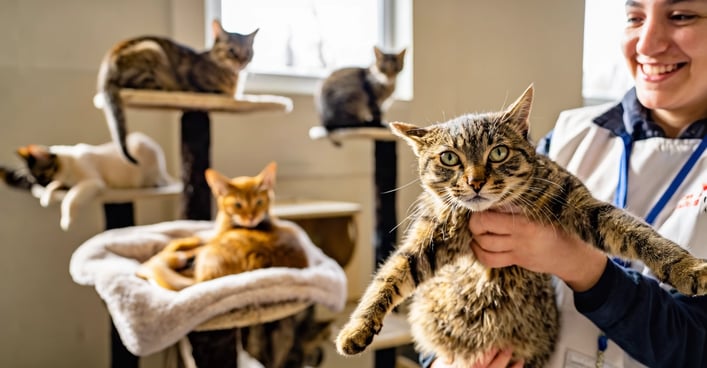
The Complete Cat Adoption Guide: Find Your Perfect Feline Companion in 2026
Your step-by-step guide to cat adoption. Learn where to adopt, how to choose the right cat for your lifestyle, prepare your home, and ensure a smooth transition for your new family member.
Share this page
The Complete Cat Adoption Guide: Find Your Perfect Feline Companion in 2026
Meta Description: Navigate the rewarding journey of cat adoption with confidence. This comprehensive 2026 guide covers where to adopt, how to choose the right cat, essential preparation, and ensuring a lifelong bond.
Introduction
Choosing cat adoption is a profoundly rewarding act that saves a life while bringing immeasurable joy and companionship into your home. With millions of cats entering shelters each year, adoption offers a vital second chance to animals in need. Whether you're drawn to the playful energy of a kitten, the settled personality of an adult, or the gentle grace of a senior cat, your perfect match is waiting.
This guide provides a clear, step-by-step framework for the entire adoption process—from selecting a reputable source and evaluating potential companions to preparing your home and fostering a successful transition. Your thoughtful approach lays the foundation for a deep, lifelong bond.
The Complete Cat Adoption Guide: Find Your Perfect Feline Companion in 2026 - Articles
Where to Adopt a Cat
1. Animal Shelters
Municipal (Public) Shelters:
Pros: Typically have lower adoption fees, house a high volume of cats needing immediate homes, and provide an opportunity to save a life at greatest risk.
Cons: May have limited information on a cat's medical or behavioral history, and resources for post-adoption support can vary.
Best For: Experienced cat owners or adopters comfortable with providing extra patience and assessment.
Private Shelters:
Pros: Often have more resources for veterinary care, behavioral assessments, and enrichment. They usually provide strong post-adoption support and guidance.
Cons: Adoption fees are generally higher, and the application process can be more thorough, potentially involving wait times.
Best For: First-time cat owners or those seeking additional guidance and reassurance.
2. Rescue Organizations
Breed-Specific Rescues:
Focus on rehoming purebred or specific breed mixes (e.g., Siamese, Persians).
Provide deep breed knowledge and can help match you with a cat whose traits suit your lifestyle.
Cats are often cared for in foster homes, offering insight into their true personality.
General Rescue Groups:
Typically foster-based, meaning cats live in volunteer homes, not kennels.
Foster caregivers provide detailed reports on personality, habits, and preferences.
Cats receive veterinary care and socialization in a home environment.
Organizations usually offer dedicated ongoing support.
3. Other Reputable Sources
Pet Store Adoption Events: Many stores partner with local shelters and rescues to host adoption events, allowing you to meet multiple cats in one location.
Online Platforms: Websites like Petfinder and Adopt-a-Pet aggregate listings from thousands of shelters and rescues, making search efficient.
Adoption Red Flags to Avoid:
Pet stores or online sellers that sell kittens/cats (often sourced from irresponsible breeders or mills).
"Free to a good home" offers from strangers with no screening process.
Any situation that discourages questions or rushes the decision.
How to Choose the Right Cat for You
Consider Age & Life Stage
Age Group
Pros
Cons
Ideal For
Kitten (2-6 mos)
Formative bonding, playful, adaptable, long life together.
High energy, requires training, unknown adult personality, destructive phases.
Active households, experienced owners, families with time for supervision.
Young Adult (6 mos-3 yrs)
Established personality, playful but calmer, often overlooked.
May have developed habits, still quite active.
Most households; a great energy match for many.
Adult (3-10 yrs)
Calm, settled personality, known behaviors, often trained, grateful.
Shorter time together, habits may be ingrained, may take longer to bond.
Working professionals, quieter homes, those wanting a predictable companion.
Senior (10+ yrs)
Very calm, instant companionship, often lap cats, lower fees.
Limited time together, potential for higher veterinary costs.
Compassionate adopters wanting to provide excellent final years.
Match Personality to Your Lifestyle
Be honest about your daily routine. An energetic, social cat will struggle in a quiet home where everyone is gone 10 hours a day, while a shy, independent cat may be overwhelmed by a busy family.
Key Questions to Ask Yourself:
What is your typical activity level at home?
Do you prefer a cuddly lap cat or a more independent observer?
Are there children or other pets in the home?
How much daily time can you dedicate to interactive play and grooming?
Special Considerations
Special Needs Cats: These include cats with manageable medical conditions (e.g., diabetes), disabilities (blind, deaf), or behavioral needs. They often make exceptionally loving pets and are deeply rewarding to care for.
FIV+ Cats: Can live long, healthy lives and often do well in single-cat homes or with other FIV+ cats.
Bonded Pairs: Littermates or long-term companions who rely on each other. Adopting them together prevents stress and enriches their lives.
Working Cats: Typically unsocialized cats suited for barns, warehouses, or other outdoor roles where they provide rodent control.
The Adoption Process: Step-by-Step
1. The Application
Be prepared to provide:
Proof of identification and address.
Landlord contact and approval (if renting).
Veterinary references for current/past pets.
Personal references.
Details about your home environment, lifestyle, and plans for pet care.
2. Meeting Cats
During Your Visit:
Ask to interact with the cat in a quiet room, if possible.
Visit at different times of day to see varying energy levels.
Don't judge a cat solely on its shelter behavior—stress can mask a wonderful personality.
Observe Their:
Reaction to your approach and touch.
Body language (relaxed, fearful, playful?).
Interest in toys.
Vocalizations.
3. Essential Questions for the Staff
Health History:
Spay/neuter status, vaccination record, and microchip details.
Results of tests for FIV and FeLV.
Any known medical conditions or current medications.
Behavior & History:
Litter box habits and litter preference.
Known history with children, dogs, or other cats.
Favorite types of play, known fears, and overall temperament notes from fosters.
Preparing Your Home for Adoption
Essential Supplies Checklist
Litter Box & Litter: One box per cat, plus one extra. Start with unscented, clumping litter.
Food & Water Bowls: Use shallow, wide bowls (preferably stainless steel or ceramic).
High-Quality Food: Purchase the same food the cat has been eating to avoid stomach upset.
Secure Cat Carrier: For safe transport home and future vet visits.
Scratching Posts: Multiple, in various textures (sisal, cardboard) and orientations (vertical, horizontal).
Cozy Bed: Place in a quiet, draft-free area.
Interactive Toys: Wand toys, balls, and puzzle feeders for enrichment.
Cat-Proofing & Safe Room Setup
Designate one quiet room (like a spare bedroom or bathroom) as your cat's initial "safe room." This space should contain all their essentials (litter, food, water, bed) and allow them to decompress without feeling overwhelmed. Ensure the room is escape-proof and free of hazards like toxic plants, loose cords, or small objects they could swallow.
The First Days & Weeks: Bringing Your Cat Home
The Adjustment Timeline
Days 1-3 (Decompression): Your cat may hide, eat little, and be generally cautious. This is normal. Speak softly, but let them come to you. Focus on providing food, water, and a clean litter box.
Week 1 (Exploration): As confidence grows, your cat may start exploring beyond the safe room. Keep introductions to other pets or family members slow and controlled.
Weeks 2-4 (Settling In): True personality begins to emerge. Routines are established, and bonding behaviors (like purring, rubbing, playful solicitation) increase.
Months 2-3 (Full Integration): Your cat should feel fully comfortable, exhibiting their complete personality and established routines as a permanent family member.
Building a Strong Bond
Let the Cat Initiate: Allow them to approach you for affection. Forcing interaction can build fear.
Use Positive Reinforcement: Offer treats, gentle play, and soft talking to create positive associations with your presence.
Establish Routine: Cats thrive on predictability. Consistent feeding, play, and quiet times build security.
Post-Adoption Responsibilities
The First Veterinary Visit
Schedule a wellness exam with your chosen veterinarian within the first week, even if the cat was recently checked. This establishes a baseline, allows you to discuss a preventive care plan, and addresses any immediate concerns.
Ongoing Care Commitment
Adoption is a long-term commitment (a cat's lifespan can be 15-20 years). Be prepared for:
Annual veterinary exams and preventive care.
High-quality nutrition appropriate for their life stage.
Consistent love, attention, and being attuned to their health and behavioral needs.
Navigating Common Challenges
Hiding: Can last for days or even a couple of weeks. Ensure they have safe hiding spots and never pull them out.
Not Eating: Stress can suppress appetite. Try warming their food or offering a different flavor. Consult a vet if they don't eat for 24 hours.
Litter Box Issues: First, rule out medical causes with a vet. Ensure boxes are clean, accessible, and in quiet locations.
Remember: Reputable shelters and rescues want your adoption to succeed. Contact them for advice if challenges arise. If, after patience and professional guidance, the match is truly not working, responsible organizations have return policies. It is kinder to admit a mismatch than for both you and the cat to live unhappily.
Conclusion
Cat adoption is a journey that begins with a single, compassionate decision and unfolds into years of mutual affection and companionship. The cat you welcome into your home will repay your kindness with purrs, playful antics, quiet companionship, and a unique bond built on trust.
By following this guide—taking the time to research, prepare, and patiently nurture your new relationship—you are setting the stage for one of life's most rewarding experiences. You are not just getting a pet; you are saving a life and gaining a family member. The love of a rescued cat is a profound gift, and the home you provide is their forever sanctuary.
Your decision to adopt changes a world—both theirs and yours.
Get expert advice about cat care, behavior, nutrition, grooming, and training. Ask our AI cat care expert anything about your cat and receive professional guidance.