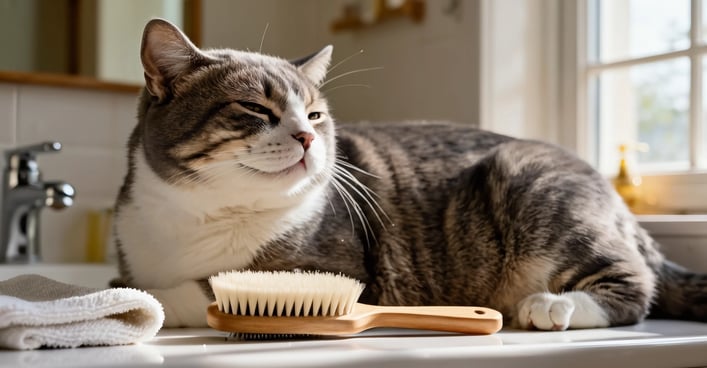
The Complete 2026 Guide to Cat Grooming at Home: DIY Care for All Coat Types
Master safe, professional grooming techniques at home. Our complete guide covers brushing, bathing, nail trimming, and more for every cat coat type, saving you money and strengthening your bond.
Share this page
The Complete 2026 Guide to Cat Grooming at Home: DIY Care for All Coat Types
Regular grooming is essential for your cat's health, significantly reduces shedding, and deepens your bond. This professional guide teaches you safe, effective techniques for brushing, bathing, nail trimming, ear cleaning, and dental care that you can confidently perform at home.
Why Regular Grooming is Essential
While cats are proficient self-groomers, they still require human assistance—particularly long-haired breeds, senior cats, and overweight felines who struggle to reach all areas. Consistent grooming sessions are a proactive measure to prevent health issues before they arise.
The Multifaceted Benefits of Home Grooming
Health & Wellness Benefits:
Prevents painful mats and skin irritation
Reduces hairballs and associated digestive problems
Enables early detection of lumps, parasites, or skin abnormalities
Removes dirt, allergens, and external parasites
Stimulates blood circulation and distributes natural skin oils
Nail Grinder: $20–40 (Smooths edges; ideal for nervous cats)
Styptic Powder: $5–10 (Crucial for stopping bleeding if the quick is nicked)
Bathing Supplies
Cat-Safe Products:
Cat-Specific Shampoo: $8–15 (Human shampoo disrupts their delicate skin pH)
Waterless Shampoo: $8–12 (For quick spot cleaning between baths)
Grooming Wipes: $8–15 (Convenient for paws and quick cleanups)
Non-Slip Bath Mat: $10–20 (Prevents slipping and reduces anxiety)
Microfiber Towels: $10–20 (Highly absorbent and quick-drying)
Complete Grooming Kit Investment
Cat Type
Basic Starter Kit
Premium Comprehensive Kit
Short-Haired
$30 – $50
$60 – $100
Medium-Haired
$50 – $80
$100 – $150
Long-Haired
$70 – $120
$150 – $250
Professional Brushing Techniques by Coat Type
Short-Haired Cats
Frequency: 1–2 times per week Session Length: 5–10 minutes
Step-by-Step Process:
Begin with a rubber curry brush. Use gentle circular motions against the hair growth to loosen dead hair.
Follow with a bristle brush. Brush with the hair growth to distribute natural oils and remove any remaining debris.
Finish with a flea comb. Carefully check around the ears, neck, and tail base for signs of parasites.
Always end with a reward. Offer a treat or affection to create a positive association.
Pro Tips:
Brush outdoors in good weather to minimize indoor hair.
Use a grooming mitt for daily, bonding-focused maintenance.
Increase frequency during peak shedding seasons (spring and fall).
Medium-Haired Cats
Frequency: 3–4 times per week Session Length: 10–15 minutes
Step-by-Step Process:
Inspect for mats. Gently run your fingers through the coat to locate any tangles.
Use an undercoat rake. Work in sections, using gentle strokes with the hair growth.
Address tangles with a slicker brush. Hold the hair at its base to prevent pulling on the skin.
Verify with a metal comb. Comb through to ensure no hidden knots remain.
Check sanitary areas. Trim longer hair if needed to prevent soiling.
Common Problem Areas:
Behind the ears
Under the collar
Armpits
Groin area
Under the tail
Long-Haired Cats
Frequency: Daily brushing is essential Session Length: 15–30 minutes
Step-by-Step Process:
Apply a detangling spray. A diluted conditioner spray helps prevent breakage.
Address mats first. Never brush over a mat; detangle it before proceeding.
Section the coat. Work in small, manageable areas from the bottom up.
Use the line brushing technique. Part the hair and brush from the skin outward.
Verify with a fine-tooth comb. The comb should glide smoothly through the entire section.
Gently groom face and paws. Use a separate, softer comb for these delicate areas.
Safe Dematting Technique:
Hold the mat securely at its base (between the mat and the skin).
Use a mat splitter or dematting tool to carefully break the mat apart.
Work from the outer edges of the mat inward.
Never pull or yank on the mat.
For large or severe mats, consult a professional groomer.
The Safe Nail Trimming Guide
Understanding Feline Nail Anatomy
Cat nails are retractable and consist of:
The Quick: The pink, sensitive vein inside the nail (must be avoided).
The Keratin Sheath: The hard, outer shell.
Growth Pattern: Curves downward, which is why regular trimming is necessary.
Recommended Trimming Frequency: Every 2–4 weeks
Step-by-Step Trimming Process
Preparation is Key:
Choose a time when your cat is calm and relaxed.
Gather all supplies: clippers, styptic powder, and high-value treats.
Consider wrapping a nervous cat in a towel (the "kitty burrito" method).
Position your cat securely in your lap or on a stable surface.
The Trimming Process:
Expose the nail. Gently press the paw pad to extend the claw.
Identify the quick. Look for the pink area inside clear or white nails.
Position the clippers. Cut perpendicular to the nail, approximately 2mm from the quick.
Make a clean, decisive cut. Hesitation can cause discomfort.
Move systematically. Don't forget the dewclaws on the front paws.
Reward immediately. Offer praise and a treat after each paw.
Technique for Dark Nails:
Trim tiny amounts at a time.
Look for a dark, oval spot in the center—this is the quick.
Stop cutting as soon as the texture changes from a hard shell to a softer, chalky center.
Troubleshooting Common Problems
If Your Cat Resists:
Attempt trimming when they are sleepy or post-meal.
Trim just one nail per day to build tolerance.
Use treats as consistent positive reinforcement.
Consider switching to a nail grinder, which some cats prefer.
If You Cut the Quick:
Apply styptic powder or a styptic pencil to the tip immediately.
Apply gentle, direct pressure for 1–2 minutes.
Stay calm; the bleeding will stop quickly.
Offer extra comfort and a special treat.
Skip that particular nail during your next session.
Bathing Your Cat: A Stress-Free Guide
When is a Bath Necessary?
Most cats require very few full baths. Exceptions include:
Encounters with skunks or other strong odors
Getting toxic substances (oil, chemicals) on their coat
Severe flea infestations requiring treatment
Medical conditions requiring medicated shampoos
Preparation for a cat show
Obesity or arthritis preventing adequate self-grooming
Pre-Bath Setup
Gather Your Equipment:
Non-slip mat placed in a sink or shallow tub
2–3 absorbent towels within easy reach
Cat shampoo, pre-diluted in a cup or bottle
A pitcher or handheld sprayer with gentle water flow
Cotton balls for ear protection
High-value treats for after the bath
Water Temperature:
Use lukewarm water (approximately 100–102°F / 38–39°C).
Test it on your inner wrist, as you would for a baby's bottle.
The Bathing Process
Step 1: Preparation (5 minutes)
Trim your cat's nails beforehand.
Brush out any mats or tangles.
Place cotton balls gently in the ear openings (do not insert).
Ensure every item is within arm's reach.
Step 2: Wetting (3–5 minutes)
Place your cat on the non-slip mat.
Using the pitcher or sprayer, wet the coat from the shoulders backward.
Avoid spraying directly on the face, head, and ears.
Never submerge your cat in water.
Step 3: Shampooing (3–5 minutes)
Apply the diluted shampoo from the neck down the back.
Gently work into a lather, paying attention to soiled areas.
Use a damp washcloth to carefully clean the face if needed.
Step 4: Rinsing (5+ minutes)
Thorough rinsing is critical to prevent skin irritation.
Rinse until the water runs completely clear.
Check by running your fingers through the coat; it should feel "squeaky" clean.
Step 5: Drying (15–30 minutes)
Wrap your cat in a towel immediately to prevent chilling.
Blot (do not rub) to absorb excess water.
Use a second dry towel if needed.
Keep them in a warm, draft-free room until completely dry.
Never use a human hair dryer (too hot). A pet-safe dryer on the lowest, coolest setting can be used if your cat tolerates it.
Ear Cleaning: A Simple Routine
When and How Often to Clean
Normal Maintenance: Once a month for most cats. Increased Frequency: For breeds prone to wax (e.g., Scottish Folds), outdoor cats, or those with a history of ear issues.
Safe Ear Cleaning Procedure
Supplies Needed:
Veterinary-approved ear cleaning solution
Cotton balls or gauze squares
Treats for rewards
Steps:
Gently hold the ear flap up to straighten the ear canal.
Fill the canal with the cleaning solution (do not insert the bottle tip).
Massage the base of the ear for 20–30 seconds—you'll hear a squishing sound.
Allow your cat to shake its head (this brings debris up).
Wipe away all visible debris and solution from the inner ear flap with a cotton ball.
Never use cotton swabs (Q-tips) inside the ear canal, as this can push debris deeper.
Warning Signs (Consult Your Vet):
Foul or unusual odor
Persistent scratching or head shaking
Dark brown or black discharge
Redness, swelling, or pain
Loss of balance or head tilting
At-Home Dental Care
Establishing a Daily Tooth Brushing Routine
Acclimation Steps:
Use only cat-specific toothpaste (available in poultry or fish flavors).
Let your cat lick the paste from your finger for several days.
Introduce a finger brush or cat toothbrush, allowing them to sniff and investigate.
Start with brief sessions, brushing just a few teeth.
Gradually work up to brushing all outer surfaces for 30–60 seconds.
Effective Brushing Technique:
Position your cat comfortably, perhaps in your lap.
Gently lift the lip to expose the teeth and gums.
Hold the brush at a 45-degree angle to the gum line.
Use small, gentle circular motions, focusing on the outer surfaces where plaque accumulates most.
Alternative Dental Care Options:
Dental Treats: Look for VOHC (Veterinary Oral Health Council) accepted products.
Water Additives: Can help reduce plaque-forming bacteria.
Dental Wipes: Useful for cats who refuse a brush.
Prescription Dental Diets: Formulated to mechanically clean teeth as the cat chews.
When to Seek Professional Grooming Help
Signs You Need a Professional Groomer
Severe, pelted matting that cannot be safely removed at home
Aggressive or highly fearful behavior that makes home grooming unsafe
Medical conditions requiring specialized handling or products
Specific styling needs for cat shows
Required anal gland expression (often done by a vet or groomer)
A "lion cut" or full shave for a severely matted long-haired cat
Professional Grooming Cost Guide (2026)
Service
Short Hair
Medium Hair
Long Hair
Basic Bath & Brush
$35 – $55
$45 – $70
$55 – $85
Full Groom (Bath, Dry, Trim)
$55 – $80
$70 – $100
$85 – $130
Dematting Fee
N/A
$25 – $45 extra
$45 – $85 extra
Lion/Sanitary Cut
N/A
$65 – $95
$85 – $130
Nail Trim Only
$12 – $22
$12 – $22
$12 – $22
Mobile Groomer Premium: Add $25–$50 for the convenience of in-home service.
Creating a Sustainable Grooming Schedule
Daily Tasks (For All Cats)
Quick petting session with a visual check of coat and skin.
Long-haired cats: A focused 5-minute brushing session.
Weekly Tasks
Short hair: Full brushing session and nail inspection.
Medium hair: Thorough brushing, with attention to problem areas, and nail check.
Long hair: A deep grooming session, including a thorough mat check.
Monthly Tasks
Nail trimming for all cats.
Ear inspection and cleaning (if needed).
Dental check and assessment of brushing routine.
Full-body inspection for any new lumps, bumps, or skin issues.
Quarterly/Seasonal Tasks
Schedule a professional grooming session for long-haired cats.
Review and apply flea/tick prevention as needed.
Inspect and replace any worn-out grooming tools.
Schedule a veterinary dental exam if recommended.
Solving Common Grooming Challenges
Controlling Excessive Shedding
Effective Solutions:
Increase brushing frequency during seasonal shedding peaks (spring/fall).
Incorporate omega-3 fatty acid supplements (fish oil) into their diet for skin health.
Ensure they are eating a high-quality, protein-rich diet.
Use a deshedding tool (like a Furminator) according to the manufacturer's guidelines.
Consider an air purifier with a HEPA filter to reduce airborne hair and dander.
Hairball Prevention Strategies:
Daily brushing is the first line of defense, removing hair before it's ingested.
Use hairball remedy gels or pastes (e.g., Laxatone) to help hair pass through the digestive tract.
Feed a diet formulated for hairball control, often higher in fiber.
Encourage water intake with a cat water fountain.
Working with Aggressive or Fearful Cats
Desensitization Protocol:
Pair the tool with treats. Simply show the brush, then give a treat.
Touch without grooming. Gently touch your cat with the brush, then treat.
One stroke, then treat. Make a single brushing stroke in a tolerated area, then immediately reward.
Gradually increase duration. Slowly add more strokes over multiple sessions.
Never force it. Always end the session on a positive note before your cat becomes stressed.
Seeking Professional Help:
Consult a veterinary behaviorist for severe anxiety or aggression.
Hire a mobile groomer who can work with your cat in the familiar home environment.
Discuss the possibility of sedated grooming with your veterinarian for extreme cases.
Cost Analysis: DIY vs. Professional Grooming
Estimated Annual DIY Grooming Costs
Item
Estimated Cost
Quality Brushes & Combs
$50 – $150
Nail Clippers & Grinder
$10 – $40
Shampoo & Bath Supplies
$30 – $70
Dental Care Supplies
$50 – $120
Treats for Reinforcement
$50 – $100
Total Annual DIY Cost
$190 – $480
Estimated Annual Professional Grooming Costs
Service Frequency
Short-Haired Cat
Long-Haired Cat
4x Yearly
$220 – $440
$340 – $680
6x Yearly
$330 – $660
$510 – $1,020
Monthly
$660 – $1,320
$1,020 – $2,040
Potential Annual Savings with DIY: $100 to over $1,500, depending on your cat's coat type and how often you would otherwise use a professional service.
Conclusion
Home grooming is a powerful investment in your cat's long-term health and the quality of your relationship. By starting slowly, using consistent positive reinforcement, and integrating grooming into your regular routine, you create a win-win situation. The time you invest prevents costly health issues, minimizes household mess, and fosters unique bonding moments.
Begin with short, positive sessions focused on areas your cat enjoys most, like cheek strokes with a soft brush. Gradually expand to a full grooming routine as their comfort grows. If you encounter significant challenges, remember that professional groomers and your veterinarian are valuable resources for guidance and support.
A well-groomed cat is a healthier, happier companion—and your home will be cleaner and more comfortable for it.
Get expert advice about cat care, behavior, nutrition, grooming, and training. Ask our AI cat care expert anything about your cat and receive professional guidance.