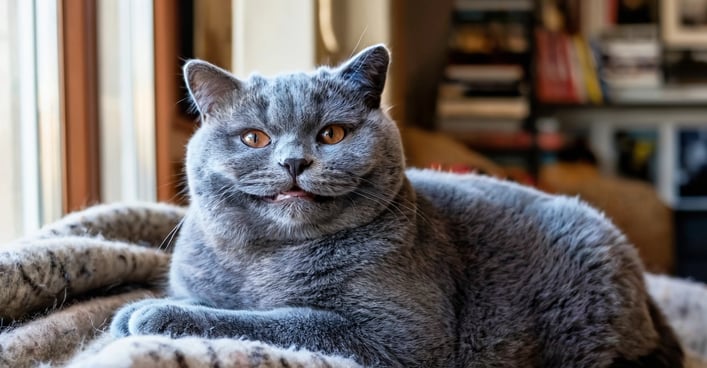
Chartreux vs British Shorthair: A Complete Guide to Blue-Grey Cat Breeds (2026)
Compare the rare French Chartreux and the popular British Shorthair. Discover which quiet, blue-grey companion best suits your lifestyle, from temperament to care.
Share this page
Chartreux vs British Shorthair: A Complete Guide to Blue-Grey Cat Breeds (2026)
Meta Description: An in-depth Chartreux vs British Shorthair comparison for 2026. Explore their distinct histories, temperaments, care needs, and costs to find your perfect solid-colored feline friend.
Chartreux and British Shorthair cats captivate with their signature blue-grey coats and sturdy, cobby builds. While the British Shorthair ranks among the world's most beloved breeds, the Chartreux remains a rare gem with ancient French lineage. Both offer dignified, quiet companionship but possess unique histories and personalities. This guide will help you discern which of these magnificent blue cats is your ideal match.
Historical Origins
Chartreux History
Origin: France
Ancient History: Believed to have been brought to Europe by Crusaders returning from the Middle East.
Name Origin: Debated; may reference Carthusian monks or a type of Spanish wool (chartreux).
World War Impact: Brought to the brink of extinction during WWII.
Revival: Carefully revived through crosses with British Shorthairs and Persians.
Recognition: Officially recognized by the Cat Fanciers' Association (CFA) in 1987.
Historical Note: The Chartreux is considered one of the oldest natural cat breeds, with documented references dating back to the 16th century. Their dense, woolly blue coats made them prized as both skilled hunters and cherished companions.
British Shorthair History
Origin: United Kingdom
Ancient Roots: Descended from domestic cats introduced during the Roman occupation of Britain.
Original Purpose: Valued for exceptional rodent control.
Development: Selective breeding for type began in the late 19th century.
Recognition: One of the founding breeds recognized by the CFA in 1906.
Famous Example: The inspiration for the iconic Cheshire Cat in Alice's Adventures in Wonderland.
Popularity: Consistently ranks among the top five most popular cat breeds globally.
Physical Characteristics
Size Comparison
Feature
Chartreux
British Shorthair
Weight (Male)
10-16 lbs (4.5-7 kg)
12-18 lbs (5.5-8 kg)
Weight (Female)
6-12 lbs (3-5.5 kg)
9-15 lbs (4-7 kg)
Body Type
Robust, athletic, muscular
Cobby, powerful, substantial
Build
Medium to large
Large and heavily boned
Bone Structure
Medium
Heavy and dense
Key Takeaway: British Shorthairs are generally larger and more massively built than Chartreux.
Coat Comparison
Chartreux Coat:
Length: Short to medium length.
Texture: Uniquely woolly, dense, and slightly water-resistant.
Feel: Springy and sheep-like to the touch.
Colors: Exclusively blue (any shade of grey-blue).
Grooming: Weekly brushing to maintain texture and remove dead hair.
Shedding: Seasonal; heavier during spring and fall.
Unique Trait: The coat often breaks at the neck and flanks, resembling a sheep's fleece.
British Shorthair Coat:
Length: Short and exceptionally dense.
Texture: Crisp, plush, and non-woolly.
Feel: Firm and stands away from the body due to its density.
Colors: Many colors and patterns, with blue being the most iconic.
Grooming: Weekly brushing is sufficient.
Shedding: Seasonal.
Unique Trait: The coat has a distinct, luxurious tactile quality.
The Signature Blue Color
Chartreux Blue:
Encompasses a range from light ash to deep slate blue.
Preferred Shade: A clear, medium blue is ideal.
The woolly texture gives the color a unique, luminous depth.
Often features silver-tipped guard hairs that create a sheen.
British Shorthair Blue:
Preferred Shade: A medium blue with an even tone from nose to tail tip, free of tabby markings or shading.
The plush texture presents the color in a rich, solid, and velvety manner.
Show Standard: For both breeds, only the blue variety is accepted in cat shows for their respective breed categories.
Facial Features
Feature
Chartreux
British Shorthair
Head Shape
Rounded, broad, with a powerful jaw
Consistently round, full-cheeked, and massive
Cheeks
Full and prominent, especially in males
Extremely well-developed, contributing to the round shape
Eyes
Large, round, expressive; color ranges from copper to deep gold
Large, round, and set wide apart; copper to deep orange is preferred
Eye Color Preference
Deep, brilliant orange
Deep copper or orange
Signature Expression
Subtle, enigmatic "Mona Lisa smile"
Broad, cheerful "Cheshire Cat grin"
Ears
Medium-sized, set high on the head
Medium, rounded at the tips, set wide apart
Nose
Straight, of medium length and width
Short, broad, and straight with a slight dip
Famous Trait: Both breeds are celebrated for their smiling expressions!
Temperament & Personality Comparison
Chartreux Personality
Activity Level: Moderate (5/10)
Playfulness: Enjoys gentle, interactive play sessions.
Affection Style: Deeply devoted and bonded to their family, but not overtly demanding.
Vocalization: Exceptionally quiet; known for soft chirps and trills rather than meows.
Independence: Moderate to high; content with their own company.
Behavioral Traits:
Quiet, observant, and contemplative.
Natural-born hunters with excellent problem-solving skills.
Forms a strong, selective bond with their human family.
Typically not a "lap cat," but will follow owners from room to room.
Generally excellent with gentle children and other pets.
Exhibits playfulness in a calm, intelligent manner.
Owner Insight: "My Chartreux communicates through meaningful looks and a serene presence, rarely needing a voice."
British Shorthair Personality
Activity Level: Low to moderate (4/10)
Playfulness: Enjoys moderate, dignified play but is equally happy lounging.
Affection Style: Loyal and fond, but famously independent and undemanding.
Vocalization: Quiet; not a talkative breed.
Independence: Moderate to high; the epitome of a self-contained companion.
Behavioral Traits:
Calm, easygoing, and imperturbable.
Patient and tolerant, making them wonderful family pets.
Possesses a dignified "British gentleman/lady" demeanor.
An undemanding companion who accepts affection gracefully but rarely seeks it obsessively.
Gets along well with everyone, including other pets.
Highly self-sufficient and adaptable.
Owner Insight: "My British Shorthair is a calm, dignified presence who graciously accepts affection entirely on his own terms."
Temperament Comparison Table
Trait
Chartreux
British Shorthair
Affection Level
7/10
7/10
Activity Level
5/10
4/10
Playfulness
6/10
5/10
Vocalization
2/10
2/10
Independence
7/10
8/10
Intelligence
8/10
7/10
Child Friendly
8/10
9/10
Pet Friendly
7/10
8/10
Care & Maintenance
Grooming Comparison
Aspect
Chartreux
British Shorthair
Brushing Frequency
Weekly (more during shedding seasons)
Weekly
Shedding
Seasonal, moderate to heavy
Seasonal, moderate
Matting Risk
Low (due to woolly texture)
Very low
Bathing Needed
Rarely, only if soiled
Rarely
Special Note
The woolly coat may require more thorough brushing to prevent loose hair accumulation.
The dense coat benefits from a rubber grooming brush to remove dead undercoat.
Exercise & Enrichment
Chartreux:
Appreciates games that simulate hunting (wand toys, feather teasers).
Enjoys vertical space like cat trees for climbing and observing.
Benefits from interactive play and puzzle toys to engage their intelligent minds.
Has moderate activity needs and enjoys short, engaging play sessions.
British Shorthair:
Enjoys moderate play but is equally content watching the world go by.
Prefers lounging in sunny spots; can be prone to inactivity.
Interactive toys can encourage healthy movement.
Generally less demanding in terms of exercise; a classic "easy keeper."
Health & Lifespan
Chartreux Health Profile
Overall Status: A generally healthy and robust breed.
Potential Health Concerns:
Patellar Luxation: Dislocation of the kneecap (mild cases are common).
Hip Dysplasia: A malformation of the hip joint (rare).
Polycystic Kidney Disease (PKD): Once a concern in some lines, now extremely rare due to genetic testing.
Average Lifespan: 12 to 15 years.
British Shorthair Health Profile
Overall Status: Known for being very robust with few major breed-specific issues.
Potential Health Concerns:
Hypertrophic Cardiomyopathy (HCM): A form of heart disease (occasional screening recommended).
Hemophilia B: A clotting disorder (rare, primarily affects males).
Obesity: A significant risk due to their laid-back nature; requires careful diet management.
Average Lifespan: 14 to 20 years, often living long, healthy lives.
Health Summary Table
Factor
Chartreux
British Shorthair
Overall Health
Excellent
Excellent
Genetic Issues
Minimal
Minimal
Average Lifespan
12-15 years
14-20 years
Typical Veterinary Costs
Low to Moderate
Low to Moderate
Cost of Ownership (2026 Estimates)
Initial Acquisition Costs
Expense
Chartreux
British Shorthair
Kitten (Pet Quality)
$1,000 - $2,000
$800 - $1,800
Kitten (Show/Breeding Quality)
$2,000 - $3,500+
$1,800 - $3,000+
Adoption (Adult)
$300 - $800
$300 - $800
Note: Due to its rarity, finding a Chartreux kitten may involve longer waitlists and potentially higher costs.
Estimated Annual Costs (Applicable to Both Breeds)
Expense
Estimated Annual Cost
High-Quality Food
$600 - $900
Routine Veterinary Care
$300 - $500
Professional Grooming (Optional)
$0 - $150
Litter & Supplies
$200 - $400
Toys & Enrichment
$100 - $200
Annual Total
$1,200 - $2,150
Pros and Cons Summary
Chartreux Advantages
✅ Serene and Quiet Companion
Nearly silent, communicating with gentle chirps.
Projects a calm, peaceful presence in the home.
Undemanding and unobtrusive.
✅ Intelligent and Agile Hunter
A natural mouser with keen problem-solving instincts.
More active and watchful than the British Shorthair.
Enjoys interactive games that challenge their mind.
✅ Unique and Historic
Possesses a one-of-a-kind woolly coat texture.
Carries the allure of a rare, ancient breed.
A living piece of French history.
Chartreux Disadvantages
❌ Limited Availability
Can be very difficult to locate reputable breeders.
Often involves long waiting periods.
Geographic limitations may apply.
❌ Reserved Demeanor
Not typically a cuddly lap cat.
Shows affection in subtle, quiet ways.
May seem aloof to those seeking constant physical interaction.
British Shorthair Advantages
✅ Exceptional Temperament
Famously calm, easygoing, and adaptable.
Patient and tolerant, making an ideal family pet.
Unfazed by busy households.
✅ Iconic Beauty & Availability
The classic "blue cat" with the famous Cheshire grin.
Widely available from many reputable breeders.
Comes in a wide variety of colors beyond blue.
✅ Robust Health & Longevity
Generally very healthy with a long lifespan.
Low-maintenance in terms of health issues.
British Shorthair Disadvantages
❌ Independent Nature
Affectionate but on their own terms; not clingy.
Often described as a "four-legged furniture piece" due to their love of lounging.
❌ Prone to Weight Gain
Low activity level combined with a hearty appetite.
Requires strict portion control and diet management to prevent obesity.
Which Breed Is Right for You?
Choose a Chartreux If You:
Desire a rare, conversation-starting breed with ancient roots.
Appreciate a very quiet, almost silent feline companion.
Admire the unique texture of a woolly coat.
Want an intelligent, moderately active cat who enjoys playful hunting games.
Value a deeply bonded but independent and serene presence.
Choose a British Shorthair If You:
Want the iconic, plush "teddy bear" blue cat.
Prioritize easier availability and a wider breeder network.
Seek an exceptionally easygoing, patient, and adaptable family pet.
Love their characteristic round face and cheerful grin.
Prefer a lower-energy companion who is content with a relaxed lifestyle.
Want a breed with a long track record of robust health.
Special Considerations for Modern Lifestyles
For Busy Professionals & Apartments
Both breeds excel in these environments due to their quiet and independent natures.
Chartreux: May appreciate slightly more interactive playtime after work and enjoys vertical space.
British Shorthair: Perfectly content with a cozy bed and window perch, requiring less active engagement.
For Families with Children & Other Pets
Both are excellent choices, known for their tolerance and good nature.
British Shorthair: Often gets a slight edge for its legendary patience and unflappable demeanor with children.
Chartreux: Does very well but may prefer slightly older, gentler children who respect its quiet space.
Finding a Reputable Breeder (2026)
Essential Questions to Ask Any Breeder:
Can you provide documentation of genetic health testing for both parent cats (e.g., HCM, PKD, patellar luxation)?
May I meet the kitten's parents to observe their temperament?
Are the kittens raised indoors and socialized with the family?
Do you provide a written health guarantee and registration papers?
What is your policy if I can no longer care for the cat?
Major Red Flags to Avoid:
Breeders who cannot or will not provide health clearances.
Those selling multiple different breeds or have kittens "always available."
Kittens kept exclusively outdoors or in isolated cages.
Prices significantly below market average.
Pressure to buy immediately or refusal to allow a visit.
Last Updated: 2026 | Both the Chartreux and British Shorthair offer a unique form of quiet, dignified companionship for owners who appreciate their substantial beauty and independent spirits.
Get expert advice about cat care, behavior, nutrition, grooming, and training. Ask our AI cat care expert anything about your cat and receive professional guidance.