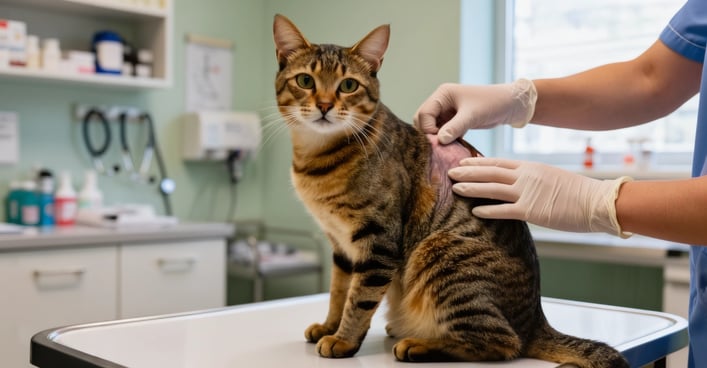
Cat Skin Problems: A Complete Guide to Diagnosis, Treatment, and Prevention
A comprehensive guide to identifying, treating, and preventing common feline skin conditions, from allergies and parasites to infections and immune-mediated diseases.
Share this page
Cat Skin Problems: A Complete Guide to Diagnosis, Treatment, and Prevention
Skin problems are a leading cause of veterinary visits for cats. These conditions, ranging from minor irritations to chronic diseases, can severely impact your cat's comfort and well-being. This definitive guide provides cat owners with the knowledge to recognize common issues, understand treatment options, and implement effective prevention strategies.
Understanding Feline Skin Health
Skin Structure: The Protective Barrier
A cat's skin is a complex organ with three primary layers:
Epidermis: The outermost protective layer.
Dermis: Contains blood vessels, nerves, and hair follicles.
Subcutis: A fat layer providing insulation and padding.
The Hair Coat: More Than Just Fur
Your cat's coat serves several vital functions:
Protection: Shields against environmental elements and injury.
Insulation: Regulates body temperature.
Sensory: Whiskers and hairs provide critical tactile information.
Communication: Piloerection (raised fur) is a key part of body language.
Cat Skin Problems: A Complete Guide to Diagnosis, Treatment, and Prevention - Articles
Normal Shedding Patterns:
Indoor cats typically shed small amounts year-round.
Seasonal increases occur in spring and fall.
Excessive shedding is often the first sign of an underlying health or skin issue.
Common Feline Skin Conditions
Allergic Skin Disease: The Primary Culprit
Allergies are the most frequent cause of skin problems in cats.
1. Flea Allergy Dermatitis (FAD)
The most common feline allergy.
Caused by a hypersensitivity to proteins in flea saliva.
Crucial Fact: A single flea bite can trigger a severe, prolonged reaction.
Symptoms:
Intense itching (pruritus), especially on the lower back, tail base, and thighs.
Hair loss in affected areas.
Military dermatitis: Small, crusty scabs resembling millet seeds.
Red, inflamed skin.
Treatment & Management:
Aggressive, year-round flea control for all pets in the household.
Treatment of the home environment.
Short-term steroids or other anti-inflammatories for acute flare-ups.
Essential fatty acid supplements to support skin health.
2. Food Allergy
An adverse reaction to a specific protein in the diet.
Can develop at any age, even to foods eaten for years.
Common Allergens: Beef, dairy, chicken, fish, and wheat.
Symptoms:
Itching, particularly on the head, neck, and ears.
Recurrent ear infections.
Gastrointestinal signs (vomiting, diarrhea) may or may not be present.
Diagnosis & Treatment:
Elimination Diet Trial: The gold standard. Requires feeding a novel protein or hydrolyzed diet exclusively for 8-12 weeks.
Lifelong avoidance of the identified trigger protein.
3. Atopic Dermatitis (Environmental Allergies)
A hypersensitivity to inhaled or contact allergens like pollens, molds, and dust mites.
Symptoms:
Itchy skin, often affecting the face, ears, paws, and belly.
Excessive grooming leading to hair loss.
Secondary bacterial or yeast infections.
Treatment Options:
Allergen-Specific Immunotherapy ("allergy shots"): A long-term solution that desensitizes the immune system.
Medications: Antihistamines, corticosteroids (short-term), or cyclosporine (Atopica®).
Environmental control (HEPA filters, frequent cleaning).
Parasitic Skin Diseases
1. Ear Mites (Otodectes cynotis)
Highly contagious, especially among kittens.
Symptoms: Intense ear scratching, head shaking, and a characteristic dark, crumbly "coffee ground" discharge.
Treatment: Prescription ear medications or systemic parasitics (e.g., Revolution Plus®, Bravecto®). All pets must be treated.
2. Ringworm (Dermatophytosis)
A fungal infection, not a worm. Highly contagious to other animals and humans.
Symptoms: Circular patches of hair loss with scaly, red skin at the edges.
Diagnosis: Fungal culture is most reliable.
Treatment: Requires oral antifungal medication (e.g., itraconazole) and environmental decontamination for several weeks.
Bacterial & Fungal Infections
Pyoderma (Bacterial Infection): Often secondary to allergies or parasites. Presents with pustules, crusts, redness, and odor. Requires prolonged antibiotic courses (often 4+ weeks).
Malassezia Dermatitis (Yeast Infection): Causes greasy skin, a musty odor, and itching. Treated with antifungal shampoos and addressing the underlying cause.
Immune-Mediated & Other Conditions
Eosinophilic Granuloma Complex: A group of inflammatory lesions (plaques, ulcers, granulomas) often linked to allergies. Managed with steroids, cyclosporine, and allergy control.
Psychogenic Alopecia: Stress-induced overgrooming leading to symmetrical hair loss. Treatment focuses on environmental enrichment, stress reduction, and sometimes anti-anxiety medication.
Recognizing the Signs: When to Be Concerned
Monitor Your Cat For:
Excessive Scratching, Licking, or Chewing: The hallmark of pruritus (itchiness).
Hair Loss (Alopecia): Especially if it's patchy or symmetrical.
Skin Changes: Redness, scabs, crusts, bumps, or dandruff.
Odor: A foul smell often indicates infection.
Behavioral Changes: Restlessness, hiding, or avoiding touch.
Seek Veterinary Care Promptly If You Notice:
Any of the above signs persisting for more than a few days.
Self-trauma causing open wounds.
Sudden facial swelling or difficulty breathing (signs of a severe allergic reaction).
The Diagnostic Process: Finding the Root Cause
Your veterinarian will perform a systematic investigation:
Detailed History: Discussing diet, flea control, environment, and symptom progression.
Physical Exam: A thorough inspection of the skin and coat.
Diagnostic Tests: These may include:
Skin Scrapings & Cytology: To look for mites, bacteria, or yeast.
Fungal Culture: For diagnosing ringworm.
Elimination Diet Trial: For food allergies.
Skin Biopsy: For definitive diagnosis of complex or autoimmune conditions.
Blood Tests: To rule out systemic diseases like hyperthyroidism.
Treatment & Management Overview
Effective treatment is multi-modal and addresses the underlying cause:
Therapeutic Diets: Formulated to support skin health.
Gentle Grooming: Regular brushing removes allergens and distributes natural oils.
Prevention: The Best Medicine
Rigorous Flea & Parasite Control: Use veterinarian-recommended products year-round.
High-Quality Nutrition: Feed a balanced diet rich in essential fatty acids.
Stress Reduction: Provide a predictable environment, hiding places, and interactive play.
Vigilant Monitoring: Incorporate a quick skin check into your daily petting routine.
Conclusion
While feline skin problems can be complex and frustrating, most are manageable with accurate diagnosis and a committed care plan. Early veterinary intervention is key to preventing discomfort and secondary complications. By partnering with your veterinarian, implementing consistent prevention strategies, and providing attentive home care, you can help your cat maintain a healthy, comfortable, and itch-free life.
Disclaimer: This guide is for informational purposes only and is not a substitute for professional veterinary diagnosis and treatment. Always consult your veterinarian for your cat's specific health concerns.
Information reviewed with reference to current veterinary dermatology guidelines. Last Updated: 2026
Get expert advice about cat care, behavior, nutrition, grooming, and training. Ask our AI cat care expert anything about your cat and receive professional guidance.