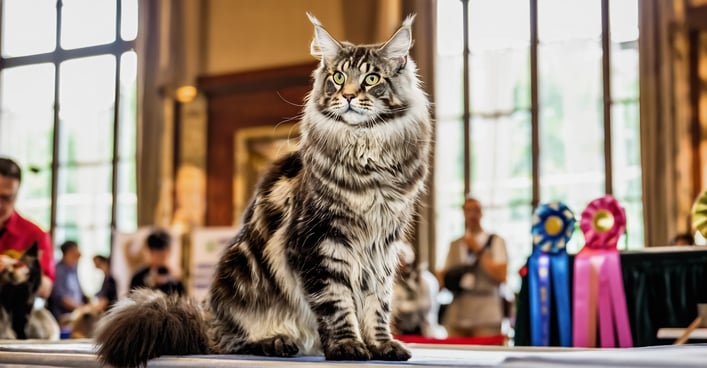
Cat Shows and Competitions: The Complete Guide for First-Time Exhibitors in 2026
Your essential guide to entering the world of cat shows. Learn about registration, preparation, show-day etiquette, and what judges look for to ensure a successful debut.
Share this page
Cat Shows and Competitions: The Complete Guide for First-Time Exhibitors in 2026
Meta: Discover everything you need to know about cat shows. This guide covers registration, preparation, show-day etiquette, and judging criteria to help you and your feline companion succeed.
Introduction
Cat shows are vibrant celebrations of feline beauty, offering a unique opportunity to connect with fellow enthusiasts, learn about diverse breeds, and showcase your cat's best qualities. Whether you own a pedigreed champion or a beloved household pet, the world of cat exhibitions is welcoming and rewarding.
This comprehensive guide walks you through every step—from finding your first show to understanding the judging process—ensuring a positive and successful experience for you and your cat.
2 Weeks Before: Conduct full show-day simulations, including grooming in the cage and handling by multiple people.
Travel Preparation
Carrier Training: Ensure your cat is comfortable in a secure, well-ventilated show carrier.
Travel Plan: Map your route, allow extra time, and never leave your cat in a parked car.
Overnight Stays: Book pet-friendly hotels, bring familiar bedding, and try to maintain your cat's routine.
Show Day Essentials
What to Bring
Required Documents:
Entry confirmation and judging schedule.
Registration and pedigree papers.
Veterinary health certificate and vaccination records.
Personal identification.
Essential Equipment Checklist:
Item
Purpose
Show Cage (if not provided)
Your cat's "benching" area during the show.
Cage Curtains
Provides privacy, reduces stress, and decorates your space.
Bedding & Familiar Blanket
Offers comfort and a sense of security.
Litter Pan & Familiar Litter
For waste management.
Food, Water, and Bowls
Your cat's regular diet and fresh water.
Complete Grooming Kit
For touch-ups between judging rings.
Towels & Waste Bags
For cleanup and accidents.
Comfort Items:
A favorite toy or treat.
A small scratching pad.
An item that smells like home (e.g., a worn t-shirt).
The Check-In Process
Arrival: Arrive during the designated setup time (usually 1-2 hours before judging). This allows your cat to acclimate.
Cage Setup: Find your assigned benching cage, set up curtains and bedding, and place food, water, and the litter pan.
Veterinary Check: An on-site vet will examine every cat for health and parasites. You must pass this check to compete.
Show Etiquette: The Do's and Don'ts
Do:
Respect other exhibitors' space and privacy.
Keep your cage area tidy and odor-free.
Remain quiet and respectful during judging.
Compliment other exhibitors on their cats.
Don't:
Open another exhibitor's cage without explicit permission.
Touch another person's cat without asking.
Make loud noises or criticize other cats.
Block aisles or judging rings.
The Judging Process
What Judges Evaluate
Head & Expression: Breed-specific shape, eye color/set, ear placement, and overall balance.
Body Structure: Size, proportion, bone structure, and musculature against the breed standard.
Coat: Texture, length, color, pattern, and overall condition/grooming.
Temperament: Ease of handling, confidence, and "show presence."
Inside the Judging Ring
Typical Sequence:
The judge calls your cat's number.
You (the handler) bring your cat to the judging table.
The judge performs a thorough examination.
Your cat is placed in a judging cage for direct comparison with others in its class.
The judge awards ribbons and explains their placements.
You return your cat to its benching cage.
Understanding Ribbons & Awards:
Award
Meaning
First (Blue Ribbon)
Best in its class/color comparison.
Second (Red Ribbon)
Second best in comparison.
Third (Yellow Ribbon)
Third best in comparison.
Winner's Ribbon
Best of its breed or division.
Finalist Ribbon
Advanced to a final, all-breed competition round.
Earning Titles (CFA Example)
Cats earn points by defeating others in their class. Title progression often follows this path:
Champion (CH): 200 points
Grand Champion (GC): 1,000 points
Double Grand Champion (DGC): 2,000 points
Triple Grand Champion (TGC): 3,000 points
Supreme Grand Champion (SGC): 6,000 points
Cost Breakdown for 2026
Initial Startup Expenses
Item
Estimated Cost
Association Membership
$20 - $50
Cat Registration (if new)
$15 - $30
Basic Health Certificate
$30 - $75
Show Cage & Curtains
$100 - $300
Basic Grooming Kit
$50 - $200
Total Initial Investment
$215 - $655
Per-Show Costs
Expense
Estimated Cost
Entry Fees (per cat)
$30 - $60
Health Certificate (if renewed)
$30 - $75
Travel (Fuel, Tolls)
Variable
Hotel (if required)
$100 - $200/night
Food & Incidentals
$30 - $50
Total Per Show
$190 - $385+
Potential Annual Budget (Approx. 12 Shows)
Category
Annual Cost
Show Entries
$360 - $720
Travel Expenses
$500 - $2,000
Grooming Supplies
$200 - $400
Equipment Maintenance
$100 - $200
Association Dues
$20 - $50
Total Annual Estimate
$1,180 - $3,370
Note on Hidden Costs: Consider expenses for special diets, professional grooming for high-maintenance breeds, veterinary wellness care, and pedigree photography.
Tips for First-Time Success
Before Your First Show
Attend as a Spectator: Observe the flow, talk to exhibitors, and learn without pressure.
Join a Club: Local or breed-specific clubs offer invaluable mentorship.
Practice Rigorously: Simulate every part of show day at home.
On Show Day
Arrive Early to allow ample setup and settling time.
Stay Calm; your cat will mirror your energy.
Be Prepared but flexible—things don't always go as planned.
Network and Learn; ask polite questions and make connections.
Mindset is Key
Focus on learning and experience over winning.
View every show as a masterclass in your cat's breed and behavior.
Celebrate participation and small victories.
Prioritize your cat's well-being and enjoyment above all.
Common Beginner Mistakes to Avoid
Insufficient Preparation: Poor grooming, lack of cage training, or missing paperwork.
Show-Day Errors: Arriving late, overfeeding the cat, or forgetting essential supplies.
Handling Missteps: Presenting the cat poorly to the judge or transferring nervous energy to your feline.
Frequently Asked Questions (FAQ)
Q: Can I show my mixed-breed or rescue cat?A: Absolutely! Household Pet classes are designed specifically for non-pedigreed cats and are judged on health, grooming, and personality.
Q: How old does my cat need to be to compete?A: Kittens can typically start at 4 months in Kitten classes. Championship competition for adults usually begins at 8 months. There are also classes for senior cats.
Q: Do I need an expensive, purpose-bred cat to win?A: Not at all. While pedigree cats compete to a written standard, Household Pet classes are fiercely competitive and celebrate the perfect pet cat.
Q: What happens if my cat gets sick or stressed at the show?A: Notify a show official immediately. An on-site veterinarian is always present. The cat's welfare is paramount, and it may need to be withdrawn from competition.
Q: How do I find shows happening near me?A: The best resources are the calendars on major association websites (CFA, TICA, ACFA) and local cat club social media pages.
Conclusion
Entering the world of cat shows is a deeply rewarding journey that strengthens the bond with your feline friend and introduces you to a passionate, knowledgeable community. Success stems from thorough preparation, a commitment to learning, and a primary focus on your cat's happiness and comfort.
Start with realistic goals, embrace every experience as a learning opportunity, and remember that every ribbon—from participation to first place—marks a shared achievement. Welcome to the fascinating and friendly world of cat fancy!
Disclaimer: Rules, fees, and requirements are subject to change by governing associations. Always consult the specific rules for your chosen show and seek advice from your veterinarian before exhibiting.
Get expert advice about cat care, behavior, nutrition, grooming, and training. Ask our AI cat care expert anything about your cat and receive professional guidance.