Cat-Proofing Your Home: The 2026 Room-by-Room Safety Guide
A comprehensive, step-by-step guide to identifying and eliminating household hazards for your curious feline. Create a safe, secure environment for your cat to explore.
Share this page
Cat-Proofing Your Home: The 2026 Room-by-Room Safety Guide
Meta: The definitive guide to creating a feline-safe environment. Features detailed room-by-room checklists, expert tips on hidden dangers, and essential safety modifications for modern cat owners.
Introduction
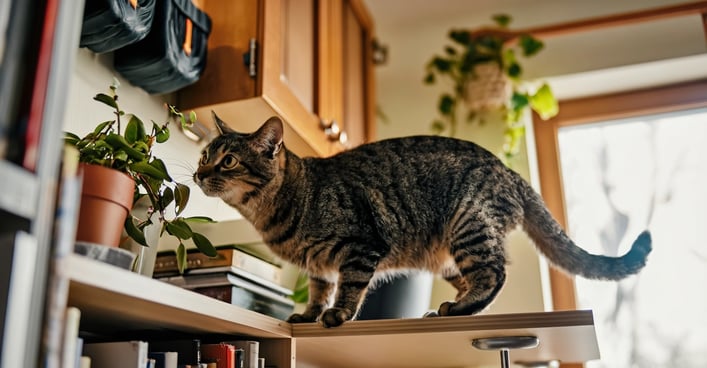
Curiosity may not have killed the cat, but it certainly leads them into precarious situations. As natural explorers, cats investigate every crevice, scale every surface, and taste-test anything within reach. Creating a truly cat-safe home demands that you think like a cat—anticipating their clever attempts to explore, play, and occasionally cause mischief.
This comprehensive, room-by-room guide empowers you to identify and eliminate hazards before your feline friend discovers them. By proactively securing your space, you transform your home into a safe playground for years of happy, healthy companionship.
Recent photos of you with your cat for proof of ownership.
Cost Breakdown (2026 Estimates)
Basic Safety Setup (Essential Items)
Item
Estimated Cost Range
Cabinet & Drawer Latches (multi-pack)
$15 - $25
Cord Protectors / Conduit Kits
$15 - $30
Window Screen Repair/Replacement
$30 - $100
Sticky Deterrent Tape (2 rolls)
$10 - $15
Secure, Locking Trash Can
$30 - $50
Pressure-Mount Baby Gates (2)
$50 - $100
Basic Pet First Aid Kit
$25 - $50
Toxic Plant Removal/Replacement
$20 - $100
Total Basic Investment
$195 - $470
Optional Enhancements & Upgrades
Item
Estimated Cost Range
Wi-Fi Pet Cameras (2-camera system)
$60 - $200
Microchip-Activated Cat Flap
$150 - $300
Custom Balcony Cat Netting/Enclosure
$100 - $300
Automated Pet Feeder
$50 - $150
High-Quality Cat Trees & Scratching Posts
$50 - $200
Total Optional Investment
$410 - $1,150
Maintenance and Ongoing Safety
Regular Safety Audits
Monthly Checks:
Inspect all window and screen door screens for damage.
Test cabinet and drawer latches for proper function.
Check cord protectors for signs of chewing.
Do a "cat's-eye view" sweep for new small hazards on floors.
Reassess the safety of any new or existing plants.
Seasonal Reviews:
Perform a deep-clean and comprehensive hazard hunt.
Update emergency contact information and vet records.
Test smoke and carbon monoxide detectors.
Review and practice your pet evacuation plan.
Trigger-Based Updates:
When introducing new furniture or large appliances.
After bringing any new item (decor, plant, toy) into the home.
Before moving to a new house or apartment.
When adopting a new cat or kitten with different behaviors.
Frequently Asked Questions (FAQ)
Q: Is it possible to have houseplants if I own a cat?A: Absolutely. The key is careful selection. Research every plant before purchase. Opt for known non-toxic varieties like spider plants, Boston ferns, or cat grass. When in doubt, place plants in completely inaccessible locations.
Q: How can I effectively keep my cat off kitchen counters?A: Combine deterrents with alternatives. Use double-sided tape, aluminum foil, or motion-activated air sprayers on counters. Simultaneously, provide more appealing, approved vertical spaces like cat trees, wall shelves, or window perches nearby. Consistency and positive reinforcement for using the right spaces are key.
Q: What's the first thing I should do if I suspect my cat ate something toxic?A:Act immediately. Contact your veterinarian or the ASPCA Animal Poison Control Center ((888) 426-4435) right away. Do not attempt to induce vomiting or give any home remedies unless explicitly instructed by a professional, as this can sometimes cause more harm.
Q: Are essential oil diffusers safe to use around cats?A: Use extreme caution. Cats lack certain liver enzymes to metabolize many essential oils, making them highly sensitive. Oils like tea tree, eucalyptus, citrus, peppermint, and pine can be toxic. Avoid diffusing in enclosed spaces with your cat. If used, ensure the room is well-ventilated and your cat can leave the area.
Q: How does cat-proofing differ for a new kitten versus an adult cat?A: Kittens require extra vigilance. They are smaller (fitting into tinier spaces), more clumsy, have intense teething urges (increasing chewing risk), and have boundless curiosity. Pay special attention to blocking gaps behind appliances, securing electrical cords, and removing any object small enough to swallow. Supervision is paramount.
Conclusion
Creating a cat-safe home is an act of love and responsibility that requires ongoing vigilance. The effort, however, pays dividends in peace of mind, knowing your curious companion can explore their domain with minimal risk.
Remember, cat-proofing is not a one-time project but a dynamic process. As your cat ages, your home evolves, and new products enter your life, continuous assessment is crucial. Regular safety reviews ensure your protective measures grow and adapt alongside your feline family member.
Your cat depends on you for their safety and well-being. A thoughtfully cat-proofed home allows their natural instincts to climb, explore, and play in a secure environment—giving you both the freedom to enjoy a happier, healthier life together.
Disclaimer: This guide provides a comprehensive overview of common household hazards for cats but cannot be an exhaustive list of every potential danger. Always use common sense, supervise new pets closely, and consult your veterinarian with any specific health or safety concerns. When in doubt, err on the side of caution.
Get expert advice about cat care, behavior, nutrition, grooming, and training. Ask our AI cat care expert anything about your cat and receive professional guidance.