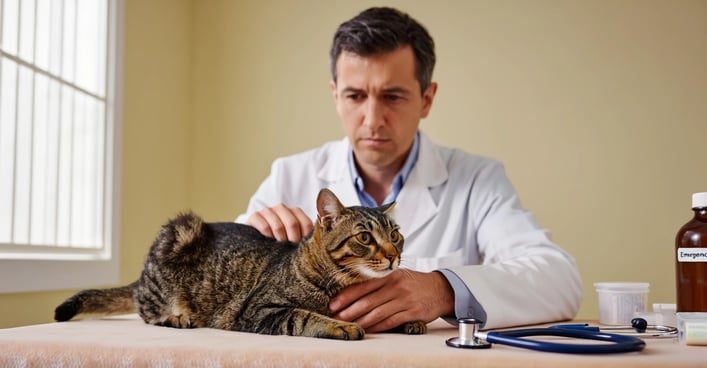
Cat Poisoning: Emergency Guide to Toxins, Symptoms & First Aid (2026)
A vital emergency guide for cat owners. Learn to identify common toxins, recognize critical symptoms, and take immediate first-aid steps to save your cat's life.
Share this page
Cat Poisoning: Emergency Guide to Toxins, Symptoms & First Aid (2026)
Cats are naturally curious, and their exploratory instincts can lead them into dangerous situations. Poisoning is a critical veterinary emergency where minutes matter. Quick recognition of symptoms and immediate action can mean the difference between recovery and tragedy. This guide provides the essential knowledge to protect your feline companion.
Understanding Feline Toxicity
Why Cats Are Uniquely Vulnerable
Unique Metabolism: Cats lack specific liver enzymes found in other mammals, making them exceptionally sensitive to many common substances.
Grooming Behavior: They ingest substances that land on their fur during self-cleaning.
Small Size: Their lower body weight means even tiny amounts of a toxin can be dangerous.
Antidote: Fomepizole (must be administered within 8 hours of ingestion).
8. Heavy Metals
Lead, Zinc:
Sources include old paint, batteries, and some coins.
Cause gastrointestinal and neurological symptoms.
9. Recreational Drugs
Marijuana (THC), Cocaine, Methamphetamine:
Toxicity varies by substance.
Symptoms: Lethargy, agitation, tremors, seizures.
10. Household Items
String, Yarn, Thread:
Risk of "linear foreign body" that can saw through intestines.
Consider this a medical emergency.
Batteries:
Risk of chemical burns, heavy metal toxicity, and intestinal obstruction.
Recognizing Poisoning Symptoms
Gastrointestinal Signs
Vomiting (especially repeated)
Diarrhea (may be bloody)
Excessive drooling/hypersalivation
Loss of appetite
Signs of abdominal pain
Neurological Signs
Tremors or shaking
Seizures
Disorientation or stumbling
Unusual agitation or profound lethargy
Dilated pupils
Sudden blindness
Respiratory Signs
Difficulty breathing
Coughing
Rapid breathing (tachypnea)
Blue-tinged gums (cyanosis)
Cardiovascular Signs
Rapid or very slow heart rate
Weak pulse
Collapse
Other Critical Signs
Pale gums (indicating anemia or blood loss)
Yellow gums/eyes (jaundice from liver damage)
Excessive thirst and urination (signs of kidney damage)
Unexplained bleeding or bruising
Fever or abnormally low body temperature
Immediate First Aid: What to Do
Step 1: Remove Your Cat from the Source
Immediately get your cat away from the suspected toxin.
Prevent any further exposure.
Ventilate the area thoroughly if toxic fumes are present.
Step 2: Contact Professionals IMMEDIATELY
Who to Call:
Your Veterinarian or Emergency Vet Clinic: For immediate, specific guidance.
Pet Poison Helpline: (855) 764-7661 (consultation fee applies).
ASPCA Animal Poison Control Center: (888) 426-4435 (consultation fee applies).
Information to Have Ready:
The name and ingredients of the toxin.
The approximate amount ingested or exposed to.
The time the exposure occurred.
Your cat's weight.
All symptoms you have observed.
Step 3: Do NOT Induce Vomiting Unless Instructed
Never induce vomiting if:
Your cat is unconscious, seizing, or having trouble breathing.
The substance ingested is caustic (like acid, alkali, or bleach).
The substance is a petroleum product.
The toxin was inhaled (high risk of aspiration pneumonia).
A professional may recommend inducing vomiting only for specific toxins ingested very recently (within 1-2 hours). Follow their instructions precisely.
Step 4: Collect Evidence
Bring the toxin's original container or packaging to the vet.
If safe, collect samples of any vomit or stool.
Note the exact time of exposure.
Step 5: Transport to the Veterinarian
Keep your cat calm, quiet, and warm during transport.
Bring all collected evidence and notes.
Call the clinic ahead so they can prepare for your arrival.
Veterinary Emergency Treatment
Initial Stabilization
Airway, Breathing, Circulation (ABC):
Supplemental oxygen if needed.
IV catheter placement for rapid treatment.
Aggressive fluid therapy to combat dehydration and support organ function.
Decontamination
Emesis (Induced Vomiting):
Performed if ingestion was recent (within 1-2 hours) and it is safe to do so.
Activated Charcoal:
Administered to bind toxins in the gastrointestinal tract and prevent further absorption.
Gastric Lavage (Stomach Pumping):
Considered for large, recent ingestions, performed under anesthesia.
Specific Antidotes (When Available)
Toxin
Antidote
Acetaminophen
N-acetylcysteine
Ethylene Glycol
Fomepizole or Ethanol
Anticoagulant Rodenticides
Vitamin K1
Heavy Metals
Chelation Therapy
Organophosphates
Atropine
Supportive Care & Monitoring
Intravenous Fluids:
Flush toxins from the system and support kidney function.
Medications:
Anti-seizure drugs (e.g., diazepam).
Anti-nausea drugs (e.g., maropitant).
Gastrointestinal protectants and pain management.
Monitoring:
Frequent blood work to assess kidney and liver function.
Continuous observation of vital signs.
Cost of Poisoning Treatment
Treatment costs vary dramatically based on the toxin and severity.
Severity
Estimated Cost Range
Mild (quick intervention)
$200 - $500
Moderate (hospitalization)
$500 - $2,000
Severe (intensive care)
$2,000 - $5,000
Life-threatening (extended care)
$5,000 - $10,000+
Pet insurance can be invaluable, often covering a significant portion of emergency poisoning treatment after the deductible is met.
Prevention: How to Poison-Proof Your Home
Secure All Medications
Store all human and pet medications in locked or securely latched cabinets.
Never leave pills on counters, tables, or nightstands.
Keep purses, backpacks, and briefcases containing medications out of reach.
Plant Safety
Remove all lilies from your home and yard entirely.
Research the toxicity of any plant before bringing it into your home.
Keep plants in hanging baskets or rooms your cat cannot access.
Chemical Storage
Store all cleaners, detergents, and chemicals in locked cabinets.
Ensure proper ventilation when using chemicals and rinse surfaces thoroughly.
Never leave buckets of cleaning solution unattended.
Food Safety
Keep human food, especially toxic items like chocolate, grapes, and xylitol products, securely stored.
Use trash cans with secure, pet-proof lids.
Avoid feeding your cat table scraps.
Garage & Basement Safety
Store antifreeze, pesticides, and car fluids in sealed, labeled containers.
Clean up any spills immediately and completely.
Consider using pet-safe propylene glycol-based antifreeze.
Pest Control Safety
Only use flea/tick products labeled specifically for cats.
Consult your vet for the safest pest control options.
Keep cats away from areas treated with pesticides until they are completely dry and safe.
Expect 48-72 hours of aggressive IV fluid therapy.
Kidney function will be closely monitored via blood tests.
Prognosis is excellent if treatment begins within 18 hours of ingestion.
Antifreeze (Ethylene Glycol) Protocol
Treatment is extremely time-critical.
The antidote (Fomepizole) is only effective if given within approximately 8 hours.
Intensive supportive care and kidney monitoring are required for days.
Acetaminophen (Tylenol) Protocol
Life-threatening emergency.
Immediate administration of the N-acetylcysteine antidote.
Supportive care including oxygen therapy and potentially blood transfusions.
When to Seek Emergency Care
Go to the Vet NOW (Immediate Emergency)
Known ingestion of any toxin.
Any exposure to lilies (even just chewing a leaf).
Suspected antifreeze ingestion.
Ingestion of human medication.
Presence of severe symptoms: seizures, collapse, difficulty breathing.
Seek Urgent Care (Within Hours)
Suspected poisoning with mild symptoms (vomiting, lethargy).
Behavior changes after potential chemical exposure.
Ingestion of a non-food foreign object.
Prognosis
Excellent: With rapid treatment for many common toxins.
Good: For most poisonings when appropriate veterinary care is provided.
Guarded: With delayed treatment or exposure to certain severe toxins.
Grave: With delayed care for lily poisoning, antifreeze ingestion after 8 hours, or severe rodenticide toxicity.
Conclusion
Facing a potential poisoning is every cat owner's nightmare, but preparedness saves lives. Keep emergency numbers in your phone and posted visibly at home. Proactively poison-proof your living space by securing medications, removing toxic plants (especially lilies), and storing chemicals safely.
Never hesitate to seek professional help—veterinarians and poison control experts would much rather provide reassurance for a false alarm than treat a preventable tragedy. Your vigilance and swift action are your cat's greatest defense against these hidden dangers.
Get expert advice about cat care, behavior, nutrition, grooming, and training. Ask our AI cat care expert anything about your cat and receive professional guidance.