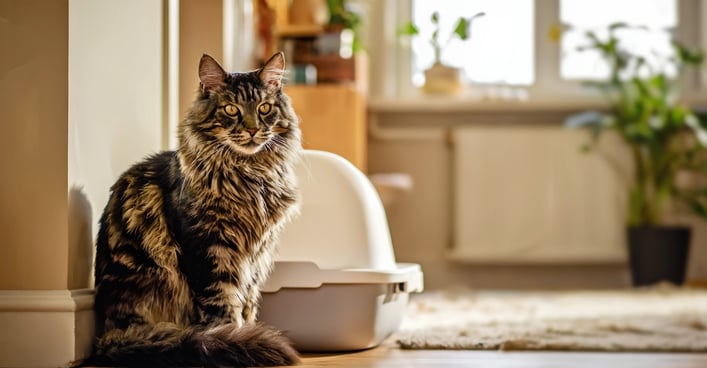
Cat Litter Training: The Complete Success Guide for Kittens and Adult Cats
Master cat litter training with our expert guide. Learn to troubleshoot accidents, choose the right litter box, and successfully train kittens or adult cats for a clean, happy home.
Share this page
Cat Litter Training: The Complete Success Guide for Kittens and Adult Cats
One of the most appealing aspects of cat ownership is their natural instinct to use a litter box. However, successful cat litter training requires more than just placing a box in the corner. It involves understanding feline behavior, choosing appropriate equipment, and knowing how to troubleshoot problems effectively. This comprehensive guide covers everything from kitten basics to solving litter box issues in adult cats.
Understanding Feline Elimination Behavior
Why Cats Use Litter Boxes
Cats are naturally clean animals with strong instincts to bury their waste. This behavior serves several purposes:
Hides scent from predators in the wild
Marks territory in domestic settings
Satisfies their cleanliness preferences
Provides comfort and security through a consistent routine
When Litter Training Begins
Mother Cat's Role:
Kittens learn by observing their mother at 3-4 weeks old
Reduce Stress: Identify triggers (outdoor cats, new pets, changes) and manage them.
Increase Resources: Provide ample boxes, scratching posts, feeding stations, and high perches to reduce competition.
Veterinary Consultation: For persistent cases, discuss anti-anxiety medications with your vet.
Special Situations and Adaptations
Senior Cat Considerations
Age-Related Changes:
Reduced mobility from arthritis or muscle weakness
Cognitive decline (feline cognitive dysfunction)
Increased frequency of urination due to kidney changes
Accidents due to confusion or inability to reach the box in time
Helpful Adaptations:
Low-entry boxes or ramps for easy access
More boxes on each floor of the home
Larger boxes for comfort and ease of turning
Place boxes closer to favorite resting areas
Use nightlights to illuminate the path to the box
Choose softer, finer litter if paw pads are sensitive
Multi-Cat Households
Territory and Resource Management:
Strictly follow the "one per cat + one" box rule.
Place boxes in multiple, separate locations—never line them up side-by-side.
Ensure each cat has access to a private, low-traffic box location.
Monitor for bullying or guarding behavior that blocks access.
Ensure multiple escape routes from each litter box area.
Declawed Cats
Special Needs and Considerations:
Use softer litter (paper-based, fine-grained silica, or sand-like litter).
Declawed cats may avoid digging due to residual paw pain or sensitivity.
Watch closely for litter box aversion as a first sign of discomfort.
Discuss long-term pain management options with your veterinarian.
Use a shallower litter depth (1-2 inches) to minimize pressure on paws.
After Surgery or Illness
Temporary Adjustments for Recovery:
Place the box very close to the recovery area to minimize movement.
Use paper-based or pellet litter if there are abdominal incisions (prevents dust from sticking).
Provide a box with very low sides or cut down one side for easy entry.
Clean more frequently to ensure a hygienic environment.
Temporary confinement in a small room with the box may be necessary.
Maintenance and Hygiene: The Key to Long-Term Success
Daily Maintenance Routine
Scooping Protocol:
Scoop at least once daily; twice daily is ideal, especially in multi-cat homes.
Remove all clumps and solid waste completely.
Top off the litter level as needed to maintain 3-4 inches.
This is a prime opportunity to monitor your cat's health.
Health Signs to Monitor in Waste:
Changes in frequency of urination or defecation
Blood in urine or stool
Diarrhea or constipation
Changes in volume (very large or very small clumps)
Straining, crying, or spending excessive time in the box
Weekly Maintenance
Deep Cleaning the Box:
Empty all litter into a waste bag.
Wash the box with mild, unscented dish soap and warm water.
Avoid harsh chemicals like ammonia or bleach, which can deter cats and leave toxic residues.
Rinse thoroughly and dry completely before adding new litter.
Add fresh litter to a depth of 3-4 inches.
Dispose of waste in outdoor trash to control odors.
Monthly & Annual Maintenance
Box Replacement:
Replace plastic boxes every 12-18 months. Plastic absorbs odors over time, even with cleaning.
Check for deep scratches in the plastic that can harbor bacteria and odor.
If persistent odor is an issue, a new box is often the simplest solution.
Environmental Cleaning:
Wash litter mats regularly.
Wipe down walls and floors around the box area to remove any splatter or dust.
Vacuum the surrounding floor frequently to control tracked litter.
Strategic Placement for Multiple Boxes
Ideal Setup Principles
For Multi-Cat or Multi-Story Homes:
Place boxes in different rooms on the same floor to prevent resource guarding.
Minimum of one box per floor (e.g., one on main level, one in basement).
Away from food and water stations—cats instinctively separate these areas.
Private but accessible: Not in a dead-end corner where a cat could be trapped.
Ensure the cat has a clear view of the room while in the box to feel secure.
Social Dynamics & Bullying Prevention:
Never line boxes up in a row—this allows one cat to block access to all.
Ensure timid cats have private access to at least one box, perhaps in a quieter room.
Monitor for guarding behavior (one cat sitting near a box to block another).
Use baby gates with cat doors or place boxes in closets with the door propped open to create safe zones for bullied cats.
Cost Breakdown of Litter Box Setup
Initial Setup Costs (One Cat)
Item
Budget Option
Mid-Range
Premium Option
Litter Box
$10 - $20 (Open Pan)
$25 - $40 (Covered)
$50+ (Self-Cleaning)
Litter Scoop
$3 - $5
$8 - $12 (Sifter Style)
$15+ (Ergonomic)
Litter Mat
$10 - $15
$20 - $30 (Large, Trapping)
$35+ (Designer)
Initial Litter
$10 (20 lbs Clay)
$25 (Natural/Clumping)
$40 (Premium Silica)
Enzymatic Cleaner
$10 - $15
$18 - $25 (Gallon)
$30+ (Pro Strength)
Total Estimate
$43 - $65
$96 - $132
$170+
Ongoing Monthly Costs (One Cat)
Item
Monthly Cost Estimate
Notes
Clumping Clay Litter
$15 - $30
Varies by brand, cat's usage, and number of boxes.
Premium/Natural Litter
$25 - $50
Corn, walnut, paper, or silica gel litters.
Waste Bags/Deodorizer
$5 - $10
Biodegradable bags and litter deodorizers.
Cleaner Refills
$5 - $10
For enzymatic cleaners used on accidents.
Monthly Total Range
$25 - $70
Annual Cost Summary
Household
Annual Litter Cost (Estimate)
1 Cat
$300 - $840
2 Cats
$500 - $1,400
3 Cats
$700 - $1,900
Note: Costs assume mid-range litter and do not include initial setup or unexpected vet visits for medical issues.
Frequently Asked Questions (FAQ)
Q: How many litter boxes do I really need?A: The golden rule is one box per cat, plus one extra. For two cats, you need three boxes. This prevents competition, reduces stress, and provides options if one box is temporarily unacceptable.
Q: How often should I completely change the litter?A: For clumping litter, scoop daily and do a complete change (wash box, new litter) every 2-4 weeks. For non-clumping litter, change it completely every 3-7 days, as it doesn't isolate waste.
Q: Why did my previously well-trained cat suddenly stop using the box?A:This is often a medical red flag. Your first step should always be a veterinary visit to rule out UTIs, diabetes, kidney disease, or arthritis. If medical causes are eliminated, then assess cleanliness, location, household stress, or changes in litter.
Q: Is scented litter a good idea for odor control?A:Most cats dislike strongly scented litter. Their sense of smell is far more sensitive than ours. What smells "fresh" to you can be overwhelming and aversive to them. For odor control, frequent scooping, adequate litter depth, and good ventilation are more effective and cat-friendly.
Q: What's the best way to transition my cat to a new type of litter?A: Transition gradually over 7-14 days to avoid rejection. Start with 75% old litter / 25% new litter. After a few days, move to a 50/50 mix, then 25% old / 75% new, and finally 100% new litter.
Q: My kitten keeps trying to eat the litter. What should I do?A:Switch to a non-clumping, kitten-safe litter immediately. Eating clumping litter can cause life-threatening intestinal blockages. Use paper-based or non-clumping clay until the kitten is older and outgrows this exploratory behavior (usually by 6 months).
Conclusion
Successful cat litter training hinges on respecting your cat's natural instincts while providing the appropriate tools and environment. Whether you're guiding a curious kitten or troubleshooting issues with a seasoned adult cat, the core principles remain constant: immaculate cleanliness, the right litter, strategic placement, and abundant patience.
Remember that litter box problems are a form of communication, not defiance. Your cat is signaling that something is wrong—be it medical discomfort, environmental stress, or an unsuitable setup. By responding proactively with the strategies in this guide, you can resolve challenges and maintain excellent litter box habits for your cat's lifetime.
The investment you make in proper training and setup pays off immensely, resulting in a cleaner home, a stronger bond with your cat, and, most importantly, a happier and healthier feline companion. You are now equipped with the knowledge to navigate any litter box challenge with confidence.
Get expert advice about cat care, behavior, nutrition, grooming, and training. Ask our AI cat care expert anything about your cat and receive professional guidance.