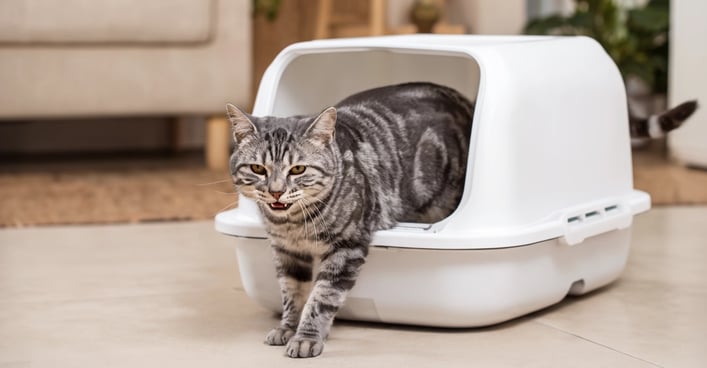
Cat Litter Box Training: Your Complete Guide for Success in 2026
Master litter box training for kittens and adult cats. This guide covers setup, troubleshooting, and solving common problems to ensure a clean, stress-free home.
Share this page
Cat Litter Box Training: Your Complete Guide for Success in 2026
Litter box issues rank among the most frequent behavioral challenges cat owners face. Fortunately, establishing proper habits from the start can prevent most problems. This comprehensive guide provides everything you need to know—whether you're welcoming a new kitten, adopting an adult cat, or resolving existing issues—to achieve successful litter box training.
Understanding Your Cat's Natural Instincts
Why Cats Use Litter Boxes
Evolutionary Background:
Wildcats buried waste to avoid attracting predators.
In multi-story homes, place boxes on multiple floors.
Ideal Locations:
Quiet corners of spare rooms or bathrooms.
Areas with multiple escape routes (no dead ends).
Easily accessible spots without obstacles.
Locations to Avoid:
Directly next to food or water bowls.
High-traffic areas like hallways or kitchens.
Isolated, hard-to-reach corners (e.g., dark basements).
Near loud appliances (washing machines, furnaces).
Areas requiring stairs for senior or disabled cats.
Training Kittens: A Step-by-Step Process
Weeks 3-4: Gentle Introduction
Initial Setup:
Use a shallow box with 2-3 inch sides.
Start with non-clumping litter (kittens may taste it).
Place the box near their nesting/sleeping area.
Gently place the kitten in the box to show them the location.
Training Process:
After each feeding, place the kitten in the litter box.
Gently scratch the litter with their front paw to demonstrate.
Offer calm praise when they sniff or investigate the box.
Repeat this process frequently throughout the day.
Weeks 4-6: Building Consistent Habits
Establish a Routine:
Place the kitten in the box after waking, eating, and playing.
For very young kittens, offer the box every 2-3 hours.
Positive Reinforcement is Key:
Offer immediate, gentle praise when they use the box correctly.
A small treat after successful use reinforces the good behavior.
Never punish for accidents—this creates fear and anxiety.
Clean accidents thoroughly with an enzymatic cleaner to remove odors.
Recognize the Signs:
Sniffing or circling a spot on the floor.
Scratching at the floor or carpet.
Crying or appearing restless.
Suddenly leaving playtime.
Common Kitten Training Issues
Playing in the Litter:
This is normal exploratory behavior.
Usually outgrown by 8-10 weeks of age.
Provide plenty of other engaging toys to redirect energy.
Eating Litter:
Common in very young, curious kittens.
Crucial: Use only non-clumping litter until this phase passes.
Consult your veterinarian if the behavior persists.
Missing the Box:
The box may be too large or have sides that are too high.
Try a shallower, kitten-sized box.
If accidents occur in a specific spot, place a box there temporarily.
Training Adult and Newly Adopted Cats
Bringing Home a New Cat
Initial Setup:
Confine the cat to a small, quiet room (like a bathroom) for the first few days.
Place the litter box in an obvious corner, away from food and bed.
If possible, use the same litter type from their previous home.
Allow them to explore the box on their own.
The First Few Days:
Gently place the cat in the box upon arrival and after meals.
Praise any investigation or use of the box.
Gradually expand their access to the rest of the home once they use the box reliably.
Transitioning Formerly Outdoor Cats
Understanding the Challenge:
Accustomed to eliminating on grass or soil.
May have a different schedule and strong territorial instincts.
Effective Strategies:
Start with a litter that mimics outdoors, like a soil-based or grass seed blend.
Gradually mix in a standard clumping litter over several weeks.
Place the box near the door they use to go outside.
Temporarily restrict unsupervised outdoor access during training.
Be patient: This transition can take several weeks.
Solving Common Litter Box Problems
Rule Out Medical Causes First
Common Medical Issues:
Urinary Tract Infections (UTIs) or bladder stones.
Kidney disease or diabetes.
Arthritis (making it painful to enter/exit the box).
Constipation or gastrointestinal issues.
Cognitive decline in senior cats.
Red Flag Symptoms:
Straining to urinate or defecate with little output.
Blood in urine or stool.
Vocalizing (crying) while in the box.
Drastic increase or decrease in frequency.
Eliminating outside the box suddenly in a previously reliable cat.
Immediate Action: Schedule a veterinary visit for a full examination, which should include a urinalysis and possibly blood work.
Addressing Behavioral Causes
Litter Box Aversion (The Cat Dislikes the Box Setup):
Potential Causes:
A dirty or smelly box.
A litter type or scent the cat dislikes.
A box that is too small or difficult to enter.
A negative association (e.g., being ambushed by another pet at the box).
A stressful or noisy location.
Solutions:
Scoop at least once daily; do a full wash weekly.
Experiment with 2-3 different unscented litter types in separate boxes.
Upgrade to a larger, more open box.
Ensure the box location is safe and peaceful.
Add more boxes in different locations.
Surface or Location Preference:
The cat may develop a preference for soft surfaces (carpet, bedding) or smooth ones (tile, bathtub).
Solutions:
Make the preferred surface inaccessible (cover with foil, double-sided tape).
Place a litter box directly on that spot, then gradually move it a few inches per day to a more suitable location.
Use a litter that mimics the preferred texture (e.g., a soft, fine-grain litter for carpet lovers).
Managing Stress and Anxiety
Common Stressors:
A new pet, baby, or person in the home.
Moving to a new house or remodeling.
Changes in routine or owner's schedule.
Conflict with another household cat.
Signs of Stress-Related Issues:
Eliminating right next to, but not inside, the box.
Spraying urine on vertical surfaces.
Going in conspicuous areas like near doors or windows.
Solutions:
Use synthetic pheromone diffusers (like Feliway).
Increase the number of litter boxes and spread them out.
Provide ample vertical space, hiding spots, and individual resources.
In severe cases, consult your vet about anti-anxiety supplements or medications.
Multi-Cat Household Dynamics
Common Problems:
One cat blocks access to or "guards" litter boxes.
Bullying or ambushing occurs at the box.
Territorial marking increases.
Essential Solutions:
The Golden Rule: One box per cat, plus one extra, in separate locations.
Place boxes on multiple floors and in different social areas.
Use open boxes or boxes with multiple exits to prevent trapping.
Ensure each cat has their own food, water, and sleeping areas to reduce competition.
Cleaning and Maintenance Protocol
Daily Routine
Scoop all waste from boxes at least once, ideally twice.
Top up litter to maintain a 2-3 inch depth.
Inspect waste for any changes in amount, consistency, or signs of blood.
Weekly Deep Cleaning
Empty all old litter.
Wash the box with mild dish soap and warm water.
For odor removal, use a 50/50 white vinegar and water solution or an enzymatic pet cleaner.
Rinse thoroughly until all soap or cleaner residue is gone.
Dry the box completely before adding fresh litter.
Cleaners to Avoid:
Ammonia-based cleaners (smell like urine to cats).
Strong bleach or citrus scents (overpowering and often disliked).
Any harsh chemical that leaves a strong perfume odor.
Long-Term Maintenance
Plastic boxes absorb odors over time. Replace them annually or if they become heavily scratched.
For persistent odor, soak the empty box in an enzymatic cleaner before washing.
Special Situations and Adaptations
Senior Cats (Aged 10+)
Challenges: Arthritis, cognitive decline, more frequent needs.
Adaptations: Provide low-entry boxes (2-3" sides), larger boxes for easy turning, more boxes for shorter travel distances, and nightlights for visibility.
Cats with Disabilities
Blind/Visually Impaired: Keep the box in a permanent, consistent location. Use textured litter as a cue. Avoid moving furniture.
Mobility Issues (Arthritis, Paralysis): Use very low-entry boxes or modify a plastic storage tub with a low-cut opening. Consult your vet for specific aids.
Post-Surgical or Medical Recovery
An E-collar (cone) may make box entry difficult. A larger, low-sided box can help.
Pain medication can alter habits; monitor closely.
For extreme cases, temporary use of absorbent puppy pads next to the box may be necessary.
When to Seek Professional Help
Consult Your Veterinarian Immediately If:
Any sudden change in litter box habits occurs.
You observe signs of straining, pain, or blood.
A previously reliable cat begins having accidents.
These signs accompany other symptoms like lethargy or changes in appetite.
Consult a Certified Feline Behaviorist If:
All medical causes have been ruled out by your vet.
Inappropriate elimination or spraying persists despite environmental changes.
Severe multi-cat conflict is centered around litter box use.
Anxiety appears to be the root cause of the problem.
The Bottom Line: Keys to Lifelong Success
Most cats will reliably use a litter box when their natural instincts are supported by a proper environment. Success hinges on these six pillars:
Proper Setup: The right box size, type, and preferred litter.
Adequate Quantity: One litter box per cat, plus one extra.
Impeccable Cleanliness: Daily scooping and weekly deep cleaning.
Strategic Placement: Quiet, accessible, safe locations away from resources.
Health First: Always rule out medical issues at the first sign of trouble.
Stress-Free Environment: Minimize changes and provide security, especially in multi-cat homes.
Remember: Punishment is counterproductive and damages your bond. Patience, positive reinforcement, and a methodical approach to solving underlying causes will resolve the vast majority of litter box challenges.
Last Updated: 2026 Never punish a cat for litter box accidents. Consistent cleaning and addressing the root cause are the only paths to lasting success.
Get expert advice about cat care, behavior, nutrition, grooming, and training. Ask our AI cat care expert anything about your cat and receive professional guidance.