Cat Litter Box Training: The Complete Guide for Kittens and Adult Cats
Master litter box training for cats of all ages. This definitive guide covers setup, training techniques, and proven solutions for common problems to ensure a clean, happy home.
Share this page
Cat Litter Box Training: The Complete Guide for Kittens and Adult Cats
Proper litter box training is fundamental to a harmonious relationship with your cat. While most felines instinctively use a litter box, some require guidance, and others may develop issues that necessitate retraining. This comprehensive guide covers everything from initial setup to solving common problems for kittens and adult cats alike.
Understanding Your Cat's Natural Instincts
Why Cats Use Litter Boxes
Cats are naturally clean animals with strong instincts to bury their waste, a behavior inherited from their wild ancestors to avoid attracting predators. Domestic cats retain this instinct, preferring loose, absorbent material and specific elimination spots.
The Good News: Over 90% of cats will use a properly set-up litter box instinctively.
Cat Litter Box Training: The Complete Guide for Kittens and Adult Cats - Articles
Size Matters:
Choose a box at least 1.5 times your cat's length from nose to tail base.
Ensure there's ample room for your cat to turn around comfortably.
Avoid boxes that are too tall for kittens, seniors, or cats with mobility issues.
Test both covered and uncovered options to see which your cat prefers.
Common Types:
Open Pans: Most preferred by cats for easy access and escape.
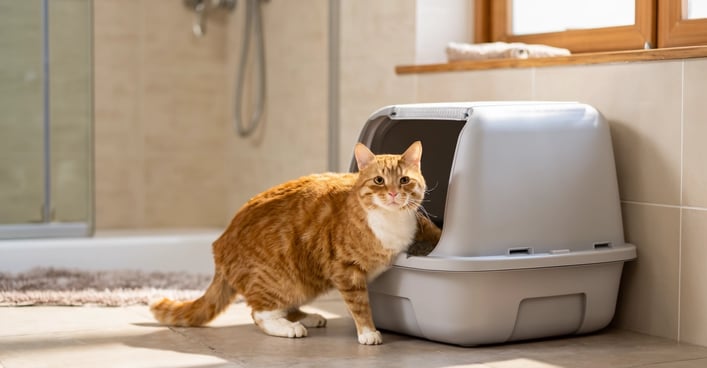
Covered Boxes: Offer privacy and help contain odors, but some cats feel trapped.
Self-Cleaning Boxes: Convenient but can frighten noise-sensitive cats.
High-Sided Boxes: Ideal for cats who spray or stand while urinating.
Low-Entry Boxes: Best for kittens, seniors, and cats with arthritis.
Selecting the Best Litter
Litter Type
Key Features
Best For
Clumping Clay
Easy to scoop, excellent odor control, most popular choice.
Most adult cats, multi-cat households.
Non-Clumping Clay
Traditional, requires complete weekly changes, often less dusty.
Kittens (to prevent ingestion), some adult cat preferences.
Crystal (Silica Gel)
Highly absorbent, low dust, long-lasting.
Owners seeking low-maintenance, some cats dislike the texture.
Natural/Biodegradable (Corn, Wheat, Pine)
Eco-friendly, often flushable, lightweight.
Environmentally conscious owners, may attract insects.
Unscented vs. Scented:
Most cats strongly prefer unscented litter.
Artificial fragrances can deter use and irritate sensitive respiratory systems.
Scented options are primarily for human benefit.
Strategic Litter Box Placement
Ideal Locations:
Quiet, low-traffic areas (e.g., spare bathroom, laundry room).
Easily accessible at all times.
Away from food and water stations.
Feature multiple exits (avoid dead-end corners).
Provide at least one box per floor of your home.
Locations to Avoid:
Near noisy appliances (washing machines, furnaces).
High-traffic hallways or entryways.
Areas where other pets or children could ambush the cat.
Damp, cold, or dark basements.
The Golden Rule: Provide one litter box per cat, plus one extra.
Training Kittens: A Step-by-Step Guide
When to Start
Begin introducing a litter box around 3-4 weeks of age. Most kittens are fully trained by 8-10 weeks, thanks to their strong natural instincts.
The Training Process
The Introduction: On your kitten's first day home, gently place them in the litter box. Let them sniff and explore the texture. Never force them.
Perfect Timing: Place your kitten in the box after they wake up, after meals, after play sessions, and before bedtime. For young kittens, aim for every 2-3 hours.
Positive Reinforcement: Offer immediate praise and a small treat when they use the box successfully. Never punish accidents—this creates fear and aversion.
Consistency is Key: Maintain the same litter type, box location, and cleaning schedule during the training period.
Solving Common Kitten Issues
Eating Litter: A normal curiosity. Use non-clumping litter until they outgrow this behavior (usually by 6 months).
Playing in the Box: Redirect with toys outside the box. This behavior typically decreases with age.
Missing the Box: Often due to a box with sides that are too high. Use a low-sided temporary box.
Training and Retraining Adult Cats
Newly Adopted Cats
Show them the box location immediately upon arrival.
Keep them in a safe, confined room (like a bathroom) with the box for the first few days.
If possible, use the same litter type they had at the shelter for a familiar scent.
Transitioning Outdoor Cats Indoors
Challenges: Cats accustomed to soil may reject commercial litter.
Solutions:
Start with a large, uncovered box filled with unscented, sand-like clumping litter.
Initially, mix a handful of outdoor soil or leaves into the litter to provide a familiar scent.
Gradually reduce the amount of soil over several weeks.
Stray or Feral Cats
These cats may have never used a litter box. Use the outdoor soil transition method above. A large plastic storage bin with a low-cut entry can serve as an excellent, spacious box.
Solving Litter Box Problems
First Step: Rule Out Medical Issues
Always consult a veterinarian first if a previously trained cat stops using the box. Common medical causes include:
Urinary Tract Infections (UTI)
Bladder stones or crystals
Kidney disease or diabetes
Arthritis (pain when entering the box)
Gastrointestinal issues
Common Behavioral Causes & Solutions
Problem
Potential Cause
Solution
Urinating Outside Box
Dirty box, stress, UTI, dislike of litter.
Vet check, add more boxes, clean daily, try new litter, use Feliway diffusers.
Defecating Outside Box
Litter aversion, box too small, constipation.
Try different litter (softer texture), provide larger box, vet check for constipation.
Spay/neuter, provide multiple resources, use Feliway MultiCat, consult a behaviorist.
Cleaning Accidents Properly
Use an enzymatic cleaner (e.g., Nature's Miracle, Rocco & Roxie) exclusively. These cleaners break down the odor-causing proteins that regular cleaners leave behind. If a cat can smell a previous accident, they are likely to reuse the spot.
Managing Multi-Cat Households
Box Quantity: Strictly follow the "one per cat plus one" rule. Place boxes in separate, distinct locations, not side-by-side.
Reduce Conflict: Use mostly uncovered boxes so cats can see their surroundings and avoid ambushes. Ensure each box has multiple escape routes.
Adaptations for Special Needs
Senior Cats: Provide low-sided boxes for easy entry, place boxes on every floor, and consider adding a nightlight.
Declawed Cats: Offer softer litter (recycled paper, fine-grained clay) as their paws may be sensitive.
Large or Long-Haired Cats: Use extra-large boxes (storage bins work well). For long-haired breeds, unscented litter and occasional "sanitation trims" can prevent litter from clinging to fur.
Maintenance Schedule
Daily: Scoop solid waste and urine clumps at least once, ideally twice.
Weekly: For non-clumping litter, do a complete change. For clumping litter, top up as needed and do a full wash of the box with mild, unscented soap every 2-4 weeks.
Monthly/Bi-Annually: Replace old, scratched boxes that retain odors, even after cleaning.
Troubleshooting Quick Reference
Symptom
First Action
Next Steps
Sudden refusal to use box.
Schedule a veterinary exam.
After medical clearance, assess litter cleanliness, type, and box location.
Goes beside the box.
Box may be too small or have uncomfortable sides.
Upgrade to a larger box with lower entry.
Prefers bathtub or sink.
Often related to a cool surface or litter aversion.
Ensure box is spotless, try a different litter texture, place a box in the bathroom.
Uses box for pee but not poop (or vice versa).
Could indicate a substrate preference or medical issue.
Vet check, then offer a second box with a different type of litter.
Frequently Asked Questions
Q: My cat was trained but suddenly stopped. What happened?
A: The first step is always a veterinary visit to rule out illness. If they get a clean bill of health, consider recent changes: new litter? moved the box? new pet or family member? dirty box?
Q: Covered or uncovered box—which is better?
A: Most cats prefer uncovered boxes. Covers trap odors inside (unpleasant for the cat) and can make them feel vulnerable. If you prefer a cover for aesthetics, ensure it's large, well-ventilated, and you keep it extremely clean.
Q: How can I stop my cat from tracking litter everywhere?
A: Place a high-quality litter mat (like a honeycomb-style mat) outside the box. Some tracking is inevitable, but mats catch a significant amount. Also, consider switching to a heavier, larger-particle litter.
Q: Is it okay to punish my cat for an accident?
A: Absolutely not. Punishment creates fear and anxiety, which will worsen the problem. It teaches your cat to avoid you, not the inappropriate spot. Always use positive reinforcement for desired behavior.
Last Updated: 2026 | Success hinges on patience, consistency, and understanding your cat's needs. Most litter box issues are solvable with a thoughtful, step-by-step approach.
Get expert advice about cat care, behavior, nutrition, grooming, and training. Ask our AI cat care expert anything about your cat and receive professional guidance.