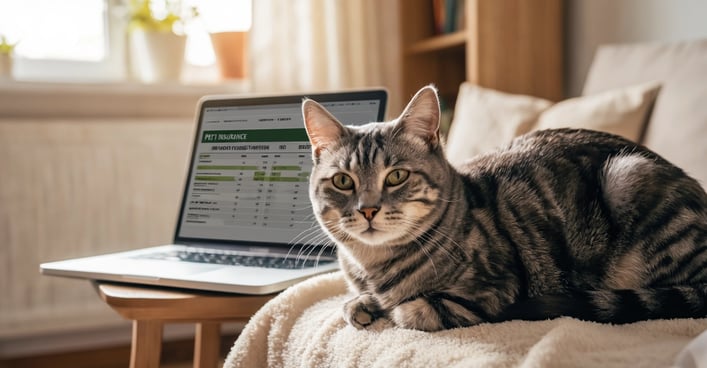
Cat Insurance Comparison 2026: The Complete Guide to Protecting Your Feline
Navigate the 2026 pet insurance landscape for cats. Compare top providers, understand coverage, and learn how to choose the right financial safety net for your feline friend.
Share this page
Cat Insurance Comparison 2026: The Complete Guide to Protecting Your Feline
As veterinary medicine advances and treatment costs rise, pet insurance has become a crucial tool for responsible cat owners. This comprehensive 2026 guide demystifies cat insurance, compares leading providers, and provides a clear framework to select the optimal financial protection for your companion.
Understanding How Cat Insurance Works
The Reimbursement Model
Pet insurance operates differently from human health insurance. It's primarily a reimbursement system:
Pay Upfront: You pay the veterinary bill at the time of service.
Submit a Claim: File a claim with your insurer, providing the invoice and medical records.
Get Reimbursed: The company reimburses you a percentage of the covered costs, minus your deductible.
Pre-existing Conditions (the most critical exclusion)
Routine/Preventive Care (unless added via wellness plan)
Cosmetic or Elective Procedures
Breeding, Pregnancy, or Whelping
Experimental Treatments
Grooming, Food, or Dietary Supplements
Is Cat Insurance Worth It? A Financial Perspective
When Insurance is Highly Advisable:
Young Kittens: Lock in low rates before any conditions develop.
Purebred Cats: Prone to specific, often expensive, hereditary conditions.
Adventure Cats: Indoor/outdoor or escape-artist cats with higher accident risk.
Limited Savings: If a $3,000+ emergency would cause financial strain.
Peace of Mind: You value the assurance of being able to say "yes" to recommended care.
When to Consider Self-Insuring:
Senior Cats with Existing Conditions: Premiums are high, and many ailments may be excluded.
Substantial Emergency Fund: You have $5,000-$10,000 readily available for pet care.
Indoor-Only, Robust Adults: Lower risk profile, but not zero risk.
How to Choose the Right Plan: A 4-Step Framework
Audit Your Finances: Determine your comfortable monthly premium and your available emergency fund.
Assess Your Cat & Your Philosophy: Consider age, breed, lifestyle (indoor/outdoor), and your willingness to pursue advanced treatments.
Get & Compare Quotes: Obtain personalized quotes from at least 3 providers for identical coverage parameters (e.g., $250 deductible, 80% reimbursement).
Read the Fine Print: Scrutinize sample policies for exclusions, waiting periods, and claim processes.
Recommended Scenarios:
Budget-First: ASPCA or Nationwide Major Medical plan with a higher deductible.
Best Value Balance: Healthy Paws or Embrace with an 80% reimbursement rate.
Maximum Coverage: Trupanion or Fetch's highest-tier plan for peace of mind and no payout worries.
Pro Tips for 2026
Enroll Early: The single best way to ensure comprehensive coverage is to insure a young, healthy cat.
Document Everything: Maintain a detailed health record from your first vet visit.
Understand Waiting Periods: Schedule initial wellness visits after the illness waiting period passes.
Review Annually: As your cat ages and your financial situation changes, reassess your coverage needs.
Final Recommendation
For most cat owners seeking a balance of comprehensive coverage and value, Healthy Paws and Fetch are excellent 2026 choices. If your priority is eliminating financial caps entirely, Trupanion is the standout. Budget-conscious owners should closely compare the entry-level plans from ASPCA and Nationwide.
The best policy is one that aligns with your financial reality and empowers you to make medical decisions based on care, not cost.
Last Updated: February 2026 Disclaimer: Quotes, coverage details, and provider offerings are subject to change. Always verify the most current policy terms directly with the insurance provider before purchasing.
Get expert advice about cat care, behavior, nutrition, grooming, and training. Ask our AI cat care expert anything about your cat and receive professional guidance.