Cat Hydration Guide 2026: How to Get Your Cat to Drink More Water
Discover proven strategies to boost your cat's water intake. Learn about hydration's vital role in health, creative solutions, and the best products to encourage drinking.
Share this page
Cat Hydration Guide 2026: How to Get Your Cat to Drink More Water
Meta: Discover essential strategies to ensure your cat stays properly hydrated. This comprehensive guide covers the importance of water intake, signs of dehydration, and actionable solutions to promote your feline's long-term health.
Introduction
Cats evolved from desert-dwelling ancestors, resulting in a naturally low thirst drive. This biological trait means they often drink less water than their bodies require. Adequate hydration is fundamental for kidney function, urinary tract health, digestion, and overall vitality. Cats on a dry food diet are at a particularly high risk for chronic, low-level dehydration.
This guide provides practical, veterinarian-recommended strategies to encourage your cat to consume more water, helping to prevent serious health issues and improve their quality of life.
Cat Hydration Guide 2026: How to Get Your Cat to Drink More Water - Articles
Chronic dehydration can lead to a cascade of health problems. Understanding these risks underscores the importance of proactive hydration management.
Urinary Tract Health:
Concentrated urine, which is irritating to the bladder lining
Formation of urinary crystals and stones
Increased risk of painful urinary blockages (a medical emergency)
Exacerbation of Feline Lower Urinary Tract Disease (FLUTD)
Kidney Function:
Reduced filtration efficiency, leading to toxin buildup
Accelerated progression of Chronic Kidney Disease (CKD)
Increased strain on renal tissues
Potentially shorter lifespan
Digestive System:
Constipation and difficult bowel movements
More frequent and problematic hairballs
Reduced efficiency of nutrient absorption
General Wellbeing:
Dull, flaky skin and a poor-quality coat
Lethargy and reduced activity levels
Compromised function of all major organs
Daily Water Requirements
A cat's water needs are not one-size-fits-all. Key factors include diet, environment, and health status.
General Guidelines:
3.5-4.5 ounces of water per 5 pounds of body weight daily.
An average 10-pound cat needs approximately 8-12 ounces of water per day.
Requirements increase in hot weather, with high activity, or for cats eating exclusively dry food.
Cats with medical conditions like kidney disease or diabetes often have elevated needs.
Important Note: Cats consuming wet food may get 70-80% of their daily water intake directly from their meals.
Recognizing the Signs of Dehydration
Early detection is crucial. Learn to spot the subtle and not-so-subtle signs that your cat needs more fluids.
Simple At-Home Checks
The Skin Turgor Test:
Gently pinch the skin at the scruff of the neck.
In a well-hydrated cat, the skin will snap back into place immediately.
If the skin retracts slowly or forms a "tent," it indicates dehydration.
Gum and Capillary Refill Check:
Gums should be moist and pink, not sticky or dry.
Press lightly on the gum; the color should return within 1-2 seconds.
Other Physical & Behavioral Indicators
Sunken or dull-looking eyes
Notable lethargy or depression
Loss of appetite
Panting (when not overheated or stressed)
Producing small, hard stools
Noticeably smaller or darker clumps in the litter box
When to Seek Veterinary Care
Contact your veterinarian immediately if you observe:
Signs of moderate to severe dehydration.
Vomiting or diarrhea preventing water retention.
Your cat has not drunk any water for over 24 hours.
Any sudden, extreme increase in water consumption.
Dehydration accompanied by other symptoms like hiding or vocalizing.
7 Proven Strategies to Increase Water Intake
1. Transition to Wet Food
This is the single most effective method to boost hydration.
Why It Works: High-quality wet food is approximately 75-80% water, providing hydration in a form cats naturally accept.
Transition Tips:
Make the switch gradually over 7-14 days.
Start by mixing a small spoonful of wet food into their usual dry food.
Slowly increase the wet food ratio while decreasing the dry.
Experiment with different textures: pâté, minced, flaked, or in gravy.
Slightly warming the food can enhance aroma and appeal.
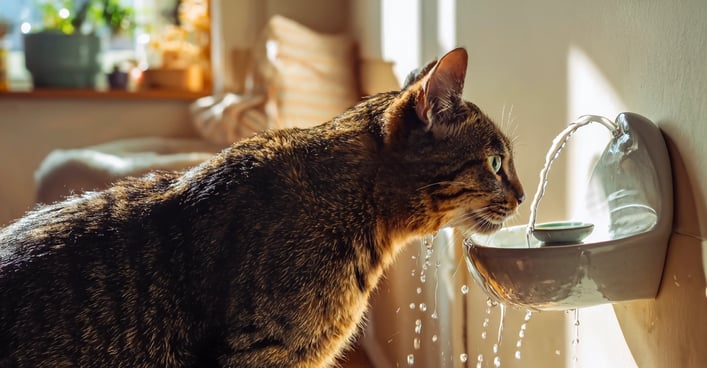
2. Invest in a Cat Water Fountain
Moving water is inherently more attractive to cats, as it mimics fresh, flowing streams.
Top Fountain Recommendations for 2026:
Fountain
Key Features
Ideal For
Approx. Cost
PetSafe Drinkwell 360
Adjustable multi-stream flow, large capacity
Multi-cat households, curious drinkers
$45-60
Catit Flower Fountain
Quiet triple-stream design, easy to disassemble
First-time fountain users, quieter homes
$30-40
Pioneer Pet Raindrop
Stainless steel construction, elegant design
Cats sensitive to plastic, easy cleaning
$40-50
Veken Pet Fountain
Large 2L/3L capacity, multi-stage filtration
Busy pet parents, families with multiple pets
$30-35
PetSafe Drinkwell Platinum
Free-falling stream, built-in reservoir
Cats who love faucets, larger breeds
$40-55
Fountain Maintenance:
Clean weekly with vinegar or pet-safe cleaner to prevent biofilm.
Replace carbon filters monthly (or as manufacturer recommends).
Place the fountain away from food bowls and litter boxes.
3. Optimize Water Bowl Placement & Quantity
Location and accessibility are critical for encouraging drinking.
Golden Rules:
Provide multiple water stations in different, quiet areas of your home.
Never place water bowls next to food or litter. Cats instinctively avoid contaminating their water source.
Offer water on different levels (floor, counter, cat tree shelf).
A good rule is one more bowl than the number of cats in the household.
Strategic Locations: Bedrooms, living rooms, home offices, and near favorite sleeping spots.
4. Choose the Right Bowl
The material and shape of the bowl can make a significant difference.
Best Materials:
Stainless Steel: Durable, easy to clean, and doesn't retain odors.
Ceramic: Heavy and stable, with a cool surface. Ensure it's lead-free.
Glass: Provides a clean, neutral taste.
Avoid Plastic: It can harbor bacteria, cause feline acne, and impart unpleasant tastes.
Ideal Design: Wide, shallow bowls that don't touch your cat's sensitive whiskers ("whisker fatigue").
5. Enhance Water Quality and Freshness
Cats are connoisseurs of fresh water.
Change water daily, at a minimum. In warmer weather, refresh it twice a day.
Always rinse the bowl thoroughly before refilling to remove saliva and biofilm.
Most cats prefer cool water. Adding an ice cube can make it more appealing.
Consider using a water filter pitcher if your tap water is heavily chlorinated or has a strong taste.
6. Add Enticing, Safe Flavors (Sparingly)
A little flavor can go a long way for picky drinkers.
Safe Options:
A teaspoon of low-sodium or no-sodium chicken or beef broth.
A tablespoon of the water from a can of tuna (in water, not oil).
Commercial "cat water" or lactose-free cat milk as an occasional treat.
Use Caution: These are supplements, not replacements for plain water. Use in small amounts to avoid excess sodium or calories.
7. Get Creative with Drinking Opportunities
Ice Cube Games: Freeze low-sodium broth into ice cubes for your cat to lick or bat around.
The Sink Drip: Allow supervised access to a slowly dripping faucet.
Water "Play": Some cats enjoy drinking from a slow stream in the bathtub or playing with shallow dishes of water with floating toys.
Helpful Hydration Products
Beyond Basic Fountains
Whisker-Friendly Bowls: Brands like Dr. Catsby's offer wide, flat dishes.
Elevated Bowls: Can be more comfortable for senior cats or those with arthritis.
Smart Fountains: Devices like the Petkit Eversweet 3 can track water volume consumed and send alerts to your phone—great for monitoring cats with health issues.
Medical Support for Hydration
For cats with chronic conditions like Kidney Disease (CKD), dietary and environmental changes may not be enough.
Subcutaneous (Sub-Q) Fluid Therapy:
A veterinarian can teach you to administer sterile fluids under the skin at home.
This is a common and life-extending treatment for CKD cats.
It provides direct hydration, helping the kidneys flush toxins.
Appetite Stimulants & Prescription Diets:
Medications like Mirtazapine can increase thirst along with appetite.
Veterinary prescription diets (e.g., renal support diets) are formulated to encourage water intake and manage specific conditions.
Monitoring and Maintenance
How to Track Hydration
Observe Drinking Habits: Note frequency and duration at bowls or fountains.
Litter Box Audit: Well-hydrated cats produce larger, lighter-colored urine clumps. Monitor for changes.
Regular Physical Checks: Perform the skin turgor and gum test weekly.
High-Risk Cats Needing Extra Attention
Senior cats (age 7+)
Cats with Chronic Kidney Disease, Diabetes, or Hyperthyroidism
Cats eating a 100% dry food diet
Overweight cats
Breeds prone to urinary issues (e.g., Persians, Ragdolls)
Cost Considerations
Investing in your cat's hydration is an investment in their health, potentially reducing future veterinary bills.
Initial Setup (Approximate One-Time Cost):
Quality Water Fountain: $30 - $60
Additional Ceramic/Stainless Bowls: $15 - $40
Total: $45 - $100
Ongoing Monthly Costs:
Increased Wet Food: +$20 - $80 (varies greatly by brand and amount)
Fountain Filters/Electricity: $3 - $10
Total: $23 - $90
Implementation Plan & Troubleshooting
4-Week Success Plan
Week 1: Focus on freshness and placement. Add one new bowl in a prime location and commit to changing all water daily.
Week 2: Introduce a water fountain (leave it unplugged at first if your cat is wary). Begin a gradual wet food transition.
Week 3: Fine-tune strategies based on your cat's preferences. Try a safe flavor enhancer if interest is still low.
Week 4 & Beyond: Establish your hydration routine. Continue monitoring litter box output and your cat's energy levels.
Solving Common Problems
"My cat is afraid of the fountain."
Unplug it and let it function as a still bowl for a few days.
Place treats near it to create positive associations.
Ensure the motor is quiet; some cats prefer ceramic or stainless over plastic hum.
"My cat refuses all wet food."
Try every texture and protein source available (pâté, shreds, morsels).
Use a topper like a sprinkle of freeze-dried chicken or a broth drizzle.
Consult your vet about using appetite stimulants to kickstart the process.
"I'm still not seeing an improvement."
Schedule a veterinary visit to rule out underlying medical issues affecting thirst or metabolism.
Discuss the possibility of Sub-Q fluids if chronic dehydration is confirmed.
Frequently Asked Questions (FAQ)
Q: How much water should my cat actually drink each day?A: A general guideline is 8-12 ounces for a 10-pound cat. Remember, cats on wet food get most of this from their meals. The best indicator is healthy, frequent urination.
Q: Is tap water safe for my cat?A: If your municipal tap water is safe for you to drink, it is safe for your cat. However, some cats are sensitive to chlorine or mineral tastes and may prefer filtered or bottled water.
Q: My cat only drinks from my glass on the nightstand. Why?A: This likely indicates a preference for fresh, cool water in a convenient, social location. Get them their own glass or bowl for your bedside!
Q: Can a cat drink too much water?A: Yes. Polydipsia (excessive drinking) is a major red flag and can be a primary symptom of diabetes, kidney disease, or hyperthyroidism. A sudden increase in water consumption warrants an immediate vet visit.
Q: Do cats like cold water?A: Most cats prefer cool, fresh water. Icy cold water can be a shock. Room temperature or slightly cool is ideal. The key is freshness, not temperature extremes.
Conclusion
Ensuring your cat stays optimally hydrated is a cornerstone of preventative healthcare. By understanding their unique needs and implementing a combination of strategies—prioritizing wet food, providing moving water, and making water accessible and appealing—you can dramatically improve their daily water intake.
Patience and observation are key. What works for one cat may not work for another. Celebrate small victories, like finding a wet food flavor they love or seeing them take a long drink from their new fountain.
The commitment you make to your cat's hydration today is an investment in their vitality, comfort, and longevity for years to come.
Disclaimer:This guide is for informational purposes only and is not a substitute for professional veterinary advice. Always consult with your veterinarian for diagnosis, treatment, and guidance specific to your pet's health, especially if you suspect dehydration or illness.
Get expert advice about cat care, behavior, nutrition, grooming, and training. Ask our AI cat care expert anything about your cat and receive professional guidance.