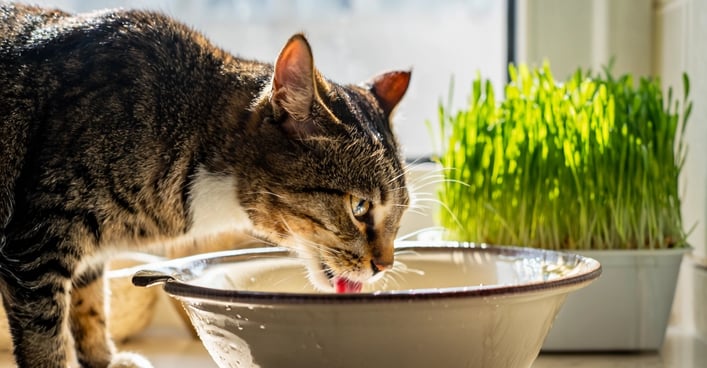
Cat Hydration: A Complete Guide to Ensuring Your Cat Drinks Enough Water
Learn why proper hydration is vital for feline health and discover practical strategies to increase your cat's water intake, prevent urinary issues, and support kidney function.
Share this page
Cat Hydration: A Complete Guide to Ensuring Your Cat Drinks Enough Water
Meta Description: Discover why hydration is critical for feline health and learn actionable strategies to increase water intake, prevent urinary issues, and support kidney function through proper hydration management.
Introduction
Cat hydration is a fundamental yet frequently overlooked component of feline wellness. Descended from desert ancestors, cats possess a naturally low thirst drive and highly efficient urine concentration mechanisms—traits that served wild felines well but create significant health vulnerabilities for modern domestic cats. Chronic, low-level dehydration is a major contributing factor to three of the most common and serious feline health conditions: chronic kidney disease (CKD), feline lower urinary tract disease (FLUTD), and constipation.
Understanding your cat's unique drinking behavior and implementing effective strategies to boost water consumption can profoundly impact their long-term health, vitality, and quality of life. This comprehensive guide explores the science behind feline hydration, teaches you how to recognize the subtle signs of dehydration, and provides practical, proven techniques to encourage adequate daily water intake.
In multi-cat households, offer N+1 bowls (number of cats plus one).
Place bowls in quiet, low-traffic areas away from food and litter boxes.
Ensure easy access from favorite resting spots.
Strategy 2: Choose the Right Bowl
Bowl Material
Pros
Cons
Stainless Steel
Easy to clean, durable, dishwasher-safe, doesn't retain odors or tastes.
Some cats dislike the metallic taste/sound; can be noisy.
Ceramic (Lead-Free)
Heavy and stable, wide variety of styles, stays cooler.
Can chip or crack, harboring bacteria; must be checked for lead-free glaze.
Glass
Non-porous, easy to clean, doesn't affect water taste.
Breakable, often heavy.
Plastic
Inexpensive, lightweight.
Scratches easily, harbors bacteria, can leach chemicals and cause feline acne.
Strategy 3: Bowl Shape Matters
Wide and Shallow Bowls are best.
Cats dislike their sensitive whiskers touching the sides ("whisker fatigue").
A large surface area allows them to drink without bending their whiskers.
Prioritizing Water Quality and Freshness
Change Water Frequently: Refresh water 2-3 times daily. Stale water is less appealing.
Clean Bowls Daily: Wash with mild soap and hot water, rinsing thoroughly to remove all soap residue.
Water Temperature: Many cats prefer cool, room-temperature water. Some enjoy an ice cube or two.
Water Source: While tap water is usually fine, some cats prefer filtered or bottled water, especially if tap water is heavily chlorinated.
What to Avoid:
Flavored waters with artificial additives
Mineral waters with high mineral content
Water sitting in direct sunlight
Bowls placed next to loud appliances
Investing in a Cat Water Fountain
Why Fountains Are Effective:
Moving Water Appeal: The sound and sight of flowing water are inherently attractive to many cats.
Freshness: Continuous circulation oxygenates the water, keeping it tasting fresh.
Instinct: Mimics a natural, flowing water source, which cats instinctively perceive as safer than stagnant water.
Key Features to Look For:
Quiet Pump Operation
Multiple Flow Settings (stream, fountain, etc.)
Easy to Disassemble and Clean
Effective Filter System (carbon filters to remove impurities)
Material: Opt for stainless steel, ceramic, or BPA-free plastic.
Popular & Reliable Brands:
PetSafe Drinkwell (various models)
Catit Flower Fountain
Pioneer Pet Raindrop Fountain
Veken Pet Fountain
Essential Fountain Maintenance:
Weekly Cleaning: Disassemble and clean all parts to prevent biofilm and mineral buildup.
Filter Changes: Replace filters as recommended by the manufacturer (usually every 2-4 weeks).
Pump Care: Regularly check and clean the pump intake to ensure proper function.
Dietary Strategies for Superior Hydration
Incorporating Wet Food into the Diet
The Single Most Effective Hydration Strategy
How to Successfully Transition:
Start Slowly: Begin by mixing a small amount of wet food into their usual dry food.
Experiment with Textures: Offer pate, chunks in gravy, shredded, or morsels to find their preference.
Enhance Palatability: Warm the wet food slightly (5-10 seconds in microwave) to increase aroma.
Be Patient: A full transition can take several weeks. Never starve a cat into accepting new food.
Feeding Schedule Options:
Replace one dry meal per day with a wet food meal.
Use wet food as a high-value treat or supplement.
For optimal hydration, aim for wet food to comprise at least 50% of their daily calories.
Using Broths, Toppers, and Food Enhancements
Low-Sodium Bone or Meat Broth:
Add a tablespoon or two over dry or wet food.
Provides moisture and enhances flavor.
Crucial: Ensure it contains NO onion, garlic, leeks, or excessive salt. Homemade or trusted pet-specific brands are best.
The "Water Gravy" Trick:
Add warm water to dry kibble and let it soak for a few minutes to soften and create a gravy.
Add extra water to canned wet food to create a soupier consistency.
Many cats lap up the flavorful liquid.
Fun with Ice Cubes
Drop a plain ice cube into the water bowl; some cats enjoy batting it and drinking the cool water.
Create flavored ice treats by freezing low-sodium tuna water, chicken broth, or diluted wet food.
Offer an ice cube in an empty bowl for them to lick as it melts.
Caution: Introduce slowly to avoid stomach upset from very cold water.
Environmental and Lifestyle Considerations
Managing Temperature and Climate
Hot Weather: Ensure multiple water sources in cool, shaded areas. Consider a cooling mat near a water station.
Cold Weather: Check that outdoor water hasn't frozen. Some cats dislike very cold water; offer room-temperature options.
Indoor Climate Control: Heating and air conditioning dry the air, increasing insensible water loss. A humidifier can help maintain ideal humidity (40-50%).
Special Situations and Medical Needs
Supporting Cats with Illness
When a Cat Refuses to Drink:
Subcutaneous (Sub-Q) Fluids: Your veterinarian can teach you to administer fluids under the skin at home for cats with CKD or other chronic conditions. This is often life-saving.
Syringe Feeding Water: Offer small amounts of water via syringe (without the needle) into the side of the mouth, very carefully to avoid aspiration. Consult your vet first.
Highly aromatic wet food can stimulate both appetite and fluid intake.
Your vet may send your cat home with administered fluids.
Maintaining Hydration During Travel
Bring a familiar water bowl and water from home to avoid rejection due to taste change.
Offer small amounts of water frequently during breaks.
Use wet food pouches for easy, hydrating meals on the go.
Consider a portable, battery-operated water fountain for the carrier.
How to Monitor Your Cat's Hydration at Home
Daily Observational Checks
Track Water Consumption: Mark water levels in bowls or use a measuring cup to see how much is drunk daily.
Monitor the Litter Box: Note the size and number of urine clumps. Consistently small, hard clumps can indicate concentrated urine.
Observe Behavior: Watch for normal energy levels and grooming habits.
Perform Weekly Checks: Do a quick gum check and skin tent test during your regular petting sessions.
When to Seek Veterinary Assessment
Schedule a Vet Visit If You Notice:
Any physical signs of dehydration (tacky gums, skin tenting).
A sudden increase or decrease in water consumption.
Changes in urination frequency or volume.
Lethargy, vomiting, diarrhea, or loss of appetite.
Veterinary Diagnostic Tools:
Physical Exam: Including skin turgor and gum assessment.
Bloodwork: Elevated BUN, Creatinine, and electrolytes can indicate dehydration and kidney function.
Urinalysis: High urine specific gravity confirms the kidneys are concentrating urine, but it can also indicate dehydration.
Busting Common Cat Hydration Myths
Myth
Reality
"Cats can drink milk for hydration."
Most adult cats are lactose intolerant. Milk can cause digestive upset and diarrhea, which leads to dehydration.
"Dry food cleans teeth, so it should be the main diet."
The dental benefit of dry food is minimal. The significant dehydration risk often outweighs any unproven dental advantage. Regular dental care is key.
"Cats will drink when they're thirsty."
Their low thirst drive means they often don't drink enough to compensate for a dry food diet. We must proactively encourage intake.
"If the water bowl is full, my cat is drinking enough."
You must actively measure intake. A full bowl doesn't mean they are drinking from it.
"Hydration is only a concern in summer."
Indoor heating in winter creates very dry air, increasing dehydration risk year-round.
Conclusion: Hydration as a Cornerstone of Feline Health
Cat hydration is not merely about keeping a water bowl full; it is a proactive and critical component of preventive healthcare. By understanding that our domestic cats are biologically designed to get water from their food, we can make informed choices that align with their physiology.
The strategies outlined—prioritizing wet food, providing appealing water sources like fountains, and vigilantly monitoring for subtle signs of trouble—empower you to safeguard your cat's renal and urinary health. The investment in better nutrition and hydration products is often offset by the avoidance of costly emergency vet visits for urinary blockages or kidney crises.
Remember, chronic diseases develop silently. By the time obvious symptoms of kidney failure appear, up to 75% of kidney function may already be lost. Your daily attention to hydration acts as a powerful, protective measure.
Your cat relies on you to create an environment that supports their well-being. Ensuring optimal hydration is one of the most profound acts of care you can provide, directly contributing to a longer, healthier, and more vibrant life for your feline companion. Start implementing these changes today—their health depends on it.
Get expert advice about cat care, behavior, nutrition, grooming, and training. Ask our AI cat care expert anything about your cat and receive professional guidance.