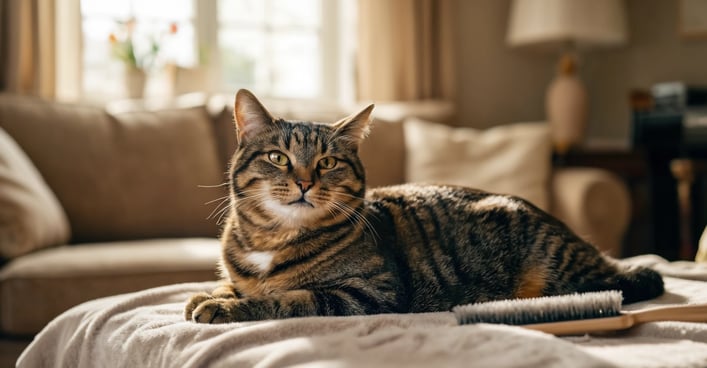
Cat Hairball Remedies: The 2026 Guide to Prevention and Treatment
Learn how to manage and prevent cat hairballs with proven strategies, from grooming and diet to safe remedies. Keep your feline friend comfortable and healthy.
Share this page
Cat Hairball Remedies: The 2026 Guide to Prevention and Treatment
While hairballs are a common feline reality, frequent occurrences can signal underlying health concerns. This comprehensive guide provides modern strategies for prevention, effective remedies, and crucial warning signs to ensure your cat's digestive health and comfort.
Understanding Hairballs
What Are Hairballs?
Scientific Name: Trichobezoars
Hairballs form when ingested hair, collected during grooming, accumulates in the stomach instead of passing through the digestive tract. This indigestible mass is eventually vomited up.
Normal vs. Excessive Frequency:
Normal: Occasional (once every 1-2 weeks)
Concerning: More than once per week
Serious: Frequent vomiting, constipation, or signs of blockage
Grooming Behavior: Cats spend 30-50% of their waking hours grooming. Their barbed tongues trap loose hair.
Shedding Cycles: Increased shedding in spring and fall leads to more hair ingestion. Indoor cats may shed year-round due to artificial lighting.
Breed Predisposition: Long-haired breeds (Persians, Maine Coons, Ragdolls) and heavy shedders (British Shorthairs) are more prone, though all cats can develop them.
When Hairballs Become Dangerous
Immediate Warning Signs:
Frequent vomiting (more than weekly)
Unproductive retching or gagging
Constipation or straining in the litter box
Lethargy or loss of appetite
Bloated abdomen or noticeable weight loss
Potential Complications:
Intestinal Blockage: A hairball obstructs the digestive tract (a veterinary emergency).
Chronic Constipation: From accumulated hair.
Malnutrition: Resulting from chronic vomiting.
When to Seek Veterinary Care:
Retching without producing a hairball
Constipation lasting over 48 hours
Blood in vomit or stool
Signs of pain, lethargy, or depression
Prevention Strategies
Regular Grooming: Your First Line of Defense
Regular brushing removes loose hair before your cat can ingest it.
Grooming Schedule by Coat Type:
Coat Type
Frequency
Recommended Tools
Session Length
Short-Haired
1-2 times weekly
Bristle brush, grooming glove
5-10 minutes
Medium-Haired
2-3 times weekly
Slicker brush, metal comb
10-15 minutes
Long-Haired
Daily
Metal comb, slicker brush; consider professional grooming
15-20 minutes
Top-Rated Grooming Tools:
Furminator Deshedding Tool
JW Pet Gripsoft Slicker Brush
Safari Metal Comb
Kong ZoomGroom
Dietary Solutions
Hairball Control Foods:
Specialty diets are formulated with increased fiber to help move hair through the digestive system and omega fatty acids to improve coat health and reduce shedding.
Leading Brands for 2026:
Hill's Science Diet Hairball Control
Royal Canin Hairball Care
Purina Pro Plan Focus Hairball Management
Blue Buffalo Hairball Control
IAMS ProActive Health Hairball Care
Transitioning Food:
Mix new food gradually over 9-12 days:
Days 1-3: 25% new, 75% old
Days 4-6: 50% new, 50% old
Days 7-9: 75% new, 25% old
Day 10+: 100% new food
Pumpkin Supplement
Plain canned pumpkin (not pie filling) is a natural, palatable source of soluble fiber.
Dosage & Benefits:
Dose: 1 teaspoon per 10 lbs of body weight daily, mixed with food.
Benefits: Adds moisture and fiber to the diet, aiding hair passage. It's cost-effective and most cats enjoy it.
Effective Hairball Remedies & Products
Lubricants (The Standard Treatment)
These products coat hair and the digestive tract, allowing for easier passage.
Petroleum-Based Gels (High Efficacy):
Tomlyn Laxatone: ($8-12) Available in tuna, maple, or catnip flavors. Dose: 1/2-1 teaspoon daily.
Vetoquinol Laxatone: ($8-14) Similar formula with good palatability.
Sentry HC Petromalt: ($6-10) Original fish-flavored formula.
Natural Lubricant Alternatives:
Coconut Oil: 1/4-1/2 teaspoon daily. Start small to avoid diarrhea. Offers additional skin/coat benefits.
Olive Oil: 1/4 teaspoon daily. Less palatable but effective.
Fish Oil: 250-500mg daily. Provides omega-3s for coat health and mild lubrication.
Administration Tip: Place a small amount on your cat's paw; they will instinctively lick it off. Can also be mixed into food.
Fiber Supplements
Add bulk to stool to help move hair through the gut.
Psyllium Husk: 1/4 teaspoon mixed with wet food. Ensure ample water intake.
Wheat Bran: 1 teaspoon per day with food.
Benefiber (Clear Soluble): 1/4 teaspoon daily; dissolves odorlessly in water or food.
Furminator: Reduces shedding up to 90%. Use 1-2 times weekly. ($25-45)
ShedMonster: Gentle option for sensitive cats. ($15-25)
When to Consider Professional Grooming
Ideal for: Long-haired cats, those intolerant of home grooming, or before heavy shedding seasons.
Services: Lion cuts, deshedding treatments, sanitary trims.
Cost: $50-100 per session.
Critical: When to See a Veterinarian
Seek Immediate Emergency Care for:
Repeated unproductive vomiting
Straining to defecate without results
Bloated, painful abdomen
Complete anorexia, lethargy, or blood in vomit/stool
Schedule a Consultation for Chronic Issues:
Hairballs more than twice weekly despite prevention
Accompanying weight loss or digestive upset
Underlying Causes a Vet May Investigate:
Skin allergies leading to over-grooming
Anxiety or compulsive disorders
Gastrointestinal diseases
Intestinal parasites
Safe vs. Unsafe Home Remedies
Safe to Try in Moderation:
Butter: 1/2 teaspoon 1-2 times weekly as a lubricant.
Plain Yogurt: 1 teaspoon daily for probiotics (if your cat tolerates dairy).
Wheatgrass: Provides fiber; many cats enjoy grazing on it.
Never Give These (Dangerous):
Mineral oil (high aspiration risk)
Human laxatives or medications
Products containing xylitol (a toxic sweetener)
Excessive amounts of any oil or fiber, which can cause blockages or diarrhea
Cost Comparison for 2026
Monthly Prevention Costs
Method
Estimated Monthly Cost
Effectiveness
Hairball Formula Food
$10-20 premium
High
Laxatone Gel
$8-15
High
Coconut Oil
$3-5
Moderate
Canned Pumpkin
$2-4
Moderate
Daily Brushing
Time investment
Very High
Professional Grooming (if monthly)
$50-100
High
Hairball Treats
$5-10
Moderate
One-Time Tool Investments
Item
Price Range
Furminator Deshedding Tool
$25-45
Quality Slicker Brush
$10-20
Grooming Glove
$8-25
Stainless Steel Comb
$8-15
Creating Your 2026 Hairball Prevention Plan
Step 1: Assess Your Cat's Risk
Note hairball frequency, coat type, current diet, and grooming routine.
Observe for any secondary symptoms.
Step 2: Implement a Layered Approach
For All Cats:
Consistent grooming tailored to coat length.
High-quality, balanced diet.
Ensure access to fresh water to promote hydration.
For Prone Cats, Add:
Transition to a hairball control diet or add a fiber supplement.
Use a lubricant (gel or natural oil) 1-2 times weekly.
Consider digestive enzyme supplements with meals.
Step 3: Monitor and Optimize
Track frequency, stool quality, and your cat's overall well-being. Adjust the plan based on effectiveness, tolerance, and practicality.
Conclusion
Managing cat hairballs effectively requires a proactive, multi-faceted strategy. The cornerstone is regular, thorough grooming to minimize hair ingestion. This should be supported by a digestive-friendly diet, potentially supplemented with fiber or safe lubricants.
While the occasional hairball is normal, a sudden increase in frequency or any accompanying concerning symptoms is a clear signal to consult your veterinarian. Underlying health issues, from skin problems to intestinal blockages, must be ruled out.
By investing in prevention through proper grooming tools, quality nutrition, and attentive care, you can significantly reduce your cat's discomfort and maintain a cleaner, happier home for you both.
Related Reading:
Choosing the Best Cat Food for Hairball Control in 2026
Get expert advice about cat care, behavior, nutrition, grooming, and training. Ask our AI cat care expert anything about your cat and receive professional guidance.