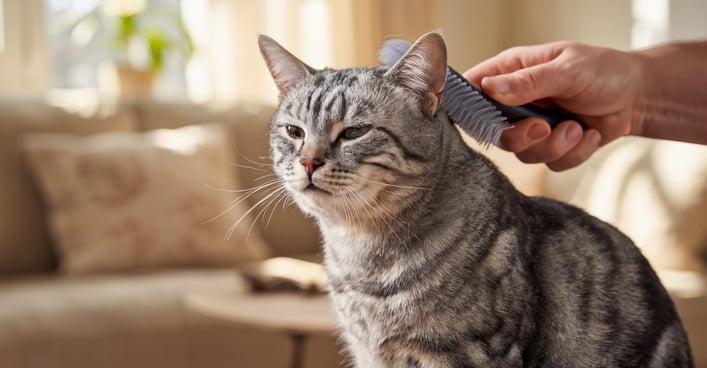
Cat Grooming: The Complete Guide for All Coat Types in 2026
Master cat grooming for every coat type. Learn essential brushing, bathing, and nail care techniques to keep your feline healthy, comfortable, and beautiful.
Share this page
Cat Grooming: The Complete Guide for All Coat Types in 2026
Regular grooming is a cornerstone of feline health, comfort, and well-being. While cats are meticulous self-cleaners, they greatly benefit from human assistance—particularly long-haired breeds, seniors, and cats with special needs. This definitive guide provides expert techniques, tool recommendations, and schedules for every coat type, empowering you to maintain a healthy, happy cat.
Place cotton balls gently in the ears to prevent water entry.
Fill the tub or sink with 3-4 inches of warm water.
Have all supplies (shampoo, towels, cup) within reach.
Washing:
Wet the cat from the neck down, avoiding the face.
Apply a diluted, cat-specific shampoo.
Gently massage into the coat.
Rinse thoroughly—any residue can cause skin irritation.
Drying & Aftercare:
Wrap the cat in a towel immediately and blot (don't rub) to absorb water.
Use a low-heat dryer if tolerated, or continue with dry towels.
Keep your cat in a warm, draft-free area until completely dry.
Remove ear cotton balls, comb the coat as it dries, and offer treats and praise.
Nail Trimming Guide
Why Trim Nails
Prevents painful overgrowth and curling, reduces furniture damage, prevents nail bed infections, and is essential for indoor cats.
Trimming Technique
Preparation: Choose a calm time, have styptic powder ready, and position your cat comfortably.
The Process:
Gently press the paw pad to extend the nail.
Identify the quick (the pink area containing blood vessels and nerves).
Cut perpendicular to the nail, removing only the sharp tip (2-3 mm).
When in doubt, cut less.
Reward your cat after each paw.
If You Cut the Quick:
Stay calm.
Apply styptic powder immediately and hold gentle pressure.
Bleeding typically stops within 1-2 minutes.
Comfort your cat and resume when both of you are calm.
Schedule:
Indoor cats: Every 2-3 weeks.
Senior cats: Monthly (check for overgrowth).
Outdoor cats: Less frequent due to natural wear.
Ear & Eye Care
Ear Cleaning
When: For visible wax/debris, after bathing, weekly for folded-ear breeds, or as recommended by your vet.
Procedure:
Apply ear cleaner to the canal.
Gently massage the base of the ear.
Allow your cat to shake its head.
Wipe away loosened debris from the outer ear with a cotton ball.
Never insert Q-tips into the ear canal.
Eye Care
Routine Cleaning: Use a damp cotton ball to wipe from the inner to the outer corner. Use a separate cloth for each eye. Daily cleaning is crucial for flat-faced breeds (e.g., Persians).
Grooming Special Populations
Senior Cats (11+ Years)
Challenges: Arthritis, thinner skin, reduced flexibility, and potential resistance.
Approach: Gentle handling, shorter/more frequent sessions, a warm environment, and professional help for difficult tasks.
Obese Cats
Challenges: Difficulty reaching all areas, skin folds needing attention, and higher matting risk.
Focus Areas: Lower back, hindquarters, belly, and skin folds. Consider regular professional grooming.
Kittens
Training: Start young (8+ weeks) with short, positive sessions. Handle paws, ears, and mouth regularly, using lots of treats and praise to build lifelong tolerance.
Professional Grooming
When to Seek a Professional
Severe matting
Aggressive or extremely fearful behavior
Underlying medical conditions
Specific styling (e.g., lion cut for matted cats)
Owner time constraints
Services & Cost Overview
Service
Short Hair
Long Hair
Nail Trim Only
$15 - $25
$15 - $25
Bath & Dry
$40 - $60
$60 - $90
Full Groom
$50 - $80
$80 - $150
Deshedding Treatment
$30 - $50
$50 - $80
Lion Cut
N/A
$80 - $120
Mobile Grooming
+$20 - $40
+$20 - $40
Choosing a Groomer: Look for cat-specific experience, gentle handling techniques, a clean facility, positive reviews, and comfort with any medical conditions.
Common Grooming Challenges
Matting
Prevention: Regular brushing, addressing tangles immediately, and maintaining a professional grooming schedule.
Treatment: Work small mats apart with fingers or a mat splitter. Always seek professional removal for large mats.
Shedding
Management: Regular brushing (daily during peak seasons), using deshedding tools, providing a high-quality diet with omega fatty acids, and accepting that some shedding is normal.
Grooming Schedule by Coat Type
Weekly Schedule
Short Hair: Thorough brush, nail check, ear check.
Medium Hair: Brush 2-3 times, thorough comb-through, nail trim.
Long Hair:Daily brushing is essential, with a weekly thorough grooming session.
Monthly Schedule (All Cats)
Thorough nail trim
Ear cleaning
Dental care check
Full-body inspection for lumps, bumps, or skin issues
Cost Analysis: Home vs. Professional Grooming
Initial Home Investment: $105 - $205
Annual Home Maintenance: $90 - $160
Cost Comparison:
Home Grooming: ~$100-$200 initial, then $90-$160/year.
Grooming is far more than a cosmetic routine; it's a vital component of preventive healthcare and a powerful way to strengthen your bond with your cat. By understanding your cat's specific coat needs and establishing a consistent, gentle routine, you contribute significantly to their comfort, health, and happiness. Invest in the right tools, be patient, and don't hesitate to enlist professional groomers when needed. The result is a healthier, more content feline companion.
Related Articles:
Long-Haired Cat Care: The Complete Guide
Cat Dental Health: A Step-by-Step Guide
Identifying and Treating Common Skin Problems in Cats
Senior Cat Care: Adapting to Your Cat's Golden Years
Get expert advice about cat care, behavior, nutrition, grooming, and training. Ask our AI cat care expert anything about your cat and receive professional guidance.