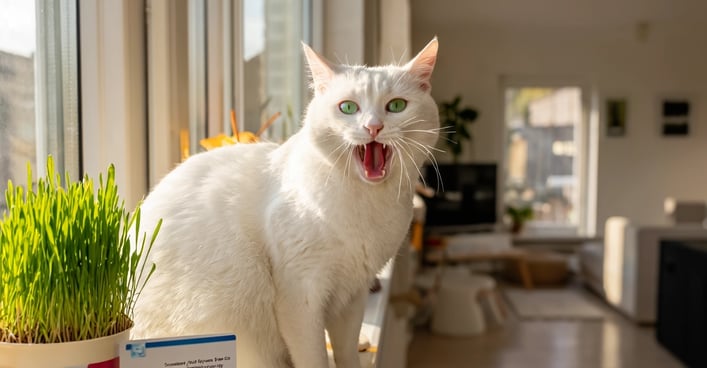
Cat Gingivitis and Dental Disease: Your 2026 Prevention and Treatment Guide
Learn how to protect your cat from painful dental disease. This guide covers prevention, early signs, treatment costs, and effective home care strategies for 2026.
Share this page
Cat Gingivitis and Dental Disease: Your 2026 Prevention and Treatment Guide
Dental disease is a pervasive health issue in cats, impacting over 70% of felines over the age of three. Gingivitis—the inflammation of the gums—marks the initial, reversible stage of periodontal disease. Proactive understanding and management of your cat's oral health can prevent discomfort, reduce expensive veterinary interventions, and significantly extend your pet's quality of life.
Understanding Feline Dental Anatomy
Adult Cat Dentition
An adult cat has 30 permanent teeth, each serving a specific function:
12 Incisors: Small front teeth for grooming and nibbling.
4 Canines: Long "fangs" for grasping and tearing.
10 Premolars: Designed for shearing food.
4 Molars: Used for grinding.
The Structure of a Tooth
Each tooth is a complex structure consisting of:
Crown: The visible portion above the gumline.
Root: Anchored within the jawbone.
Enamel: The hard, protective outer layer.
Dentin: The sensitive layer beneath the enamel.
Pulp: The inner chamber housing nerves and blood vessels.
Periodontal Ligament: Connective tissue that secures the tooth to the bone.
What it is: A painful and common condition (affecting up to 50% of cats) where the tooth structure is eroded by specialized cells called odontoclasts.
Types:
Type 1: Inflammatory resorption with a normal root structure visible on X-ray.
Type 2: Replacement resorption, where the tooth root dissolves and is replaced by bone.
Symptoms: Difficulty eating, apparent tooth sensitivity, and sometimes visible pink defects at the gumline.
Treatment: Extraction of the affected tooth is almost always required.
4. Stomatitis (Feline Chronic Gingivostomatitis)
What it is: A severe, debilitating inflammation of the entire mouth's mucous membranes, far more extensive than typical gingivitis.
Cause: Believed to be an exaggerated immune response to plaque bacteria.
Symptoms: Extreme oral pain, drooling, reluctance to eat, weight loss, and severe halitosis.
Treatment: Often necessitates full-mouth extractions to provide lasting relief and improve quality of life.
5. Feline Orofacial Pain Syndrome
What it is: A chronic neuropathic pain condition affecting the mouth and face with no clear dental or medical cause.
Symptoms: Obsessive face grooming, pawing at the mouth, and difficulty prehending food.
Causes of Dental Disease
Primary Factors
Plaque Accumulation: A sticky biofilm of bacteria, saliva, and food debris that forms on teeth. If not removed within 24-48 hours, it mineralizes into hard tartar (calculus).
Diet: Dry food alone does not provide sufficient mechanical cleaning. Specially formulated dental diets are more effective.
Genetics: Some cats have a hereditary predisposition to dental issues.
Age: Risk increases significantly after age three.
Contributing Factors
Breed Predisposition: Siamese, Oriental breeds, and brachycephalic cats (e.g., Persians) are often at higher risk.
Systemic Disease: Conditions like diabetes, kidney disease, FIV, and FeLV compromise oral health.
Immunosuppression: Weakens the body's ability to control oral bacteria.
Effectiveness: Offers a supplemental benefit but does not replace brushing or professional care.
Note: Raw bones are controversial due to risks of tooth fracture, gastrointestinal obstruction, and bacterial contamination.
Water Additives & Oral Gels
Water Additives (e.g., Dental Fresh): Contain enzymes or antimicrobials to reduce bacteria in the mouth. Easy to use but offer mild benefits. ($12 - $25/month)
Oral Gels/Sprays (e.g., Maxi/Guard): Applied directly to the gums to help reduce plaque-forming bacteria. More effective when used consistently. ($18 - $35)
Treatment Protocols for Specific Conditions
Gingivitis Treatment
Stages 1-2: Professional cleaning followed by consistent home care (brushing, rinses). Often fully reversible.
Stage 3 (Severe): Professional cleaning, possible antibiotic therapy, and intensive home care with a recheck in 3-6 months.
Periodontitis Treatment
Mild: Deep cleaning (scaling and root planing), local antibiotic placement in pockets, and rigorous home care.
Moderate to Severe: Often requires extraction of compromised teeth to eliminate pain and infection sources.
Tooth Resorption (FORLs) Treatment
Diagnosis is Key: Dental X-rays are mandatory to determine the type (1 or 2).
Treatment: Extraction is the standard of care for Type 1 lesions. For Type 2, crown amputation may be an option.
Stomatitis Treatment
Medical Management: Often includes corticosteroids, antibiotics, pain relievers, and immune-modulating drugs (e.g., cyclosporine). This is typically palliative, not curative.
Surgical Management: Full-mouth or near-full-mouth extraction provides the highest chance for long-term comfort and remission. Cost: $2,500 - $6,000.
Proactive Prevention Strategies
Starting with Kittens
Gently handle their mouth daily to build positive associations.
Introduce tooth brushing early with kitten-formulated toothpaste.
Have your vet check for retained baby teeth at the 6-month spay/neuter visit.
Maintenance for Adult Cats (1-7 years)
Daily: Aim for tooth brushing.
Weekly: Quick oral check.
Annually: Professional veterinary oral exam.
Every 1-2 Years: Professional dental cleaning under anesthesia, as recommended by your vet.
Special Considerations for Senior Cats (8+ years)
Increase monitoring frequency; disease can progress more rapidly.
Address concurrent issues like arthritis that may hinder grooming.
Professional cleanings may be needed every 6-12 months.
Screen for systemic diseases that impact oral health.
Breed-Specific Considerations
Brachycephalic Breeds (Persian, Himalayan): Crowded teeth are common, requiring more frequent professional care and vigilant home care.
Oriental Breeds (Siamese, Oriental Shorthair): Have a known genetic predisposition to periodontal disease and tooth resorption, often needing intervention at a younger age.
The Serious Risks of Untreated Dental Disease
Local Complications
Tooth loss, chronic oral pain, jaw fractures (from weakened bone), and oronasal fistulas (holes from the mouth into the nasal cavity).
Systemic Complications
Oral bacteria entering the bloodstream can damage vital organs:
Heart: Endocarditis (infection of the heart valves).
Kidneys: Can accelerate the progression of chronic kidney disease.
Liver: Can cause inflammation and infection.
Overall Health: Linked to a reduced lifespan of 2-4 years.
Treatment for systemic complications (e.g., heart or kidney infection): $2,000 - $10,000+
The Bottom Line: Consistent, affordable prevention can save thousands of dollars and, more importantly, years of health and comfort for your cat.
Partnering with Your Veterinarian
When to Seek a Specialist
For complex cases like severe stomatitis, multiple resorptions, or jaw fractures, ask for a referral to a Board-Certified Veterinary Dentist (find one via the American Veterinary Dental College website).
Key Questions for Your Vet
Based on today's exam, how urgent is a professional cleaning?
Will you take full-mouth dental X-rays during the procedure?
What is your pain management protocol before, during, and after?
What specific home care products do you recommend for my cat's situation?
What is the expected follow-up schedule?
Conclusion
Feline dental disease is a prevalent but largely preventable condition. The cornerstone of prevention is a partnership between you and your veterinarian, combining regular professional care with consistent home maintenance—primarily daily tooth brushing.
View bad breath not as a normal "cat smell" but as a critical early warning sign. The investment in your cat's oral health pays profound dividends in their comfort, overall health, and longevity. With patience and positive reinforcement, most cats can learn to accept and even enjoy their dental care routine, ensuring a happier, healthier life together.
Get expert advice about cat care, behavior, nutrition, grooming, and training. Ask our AI cat care expert anything about your cat and receive professional guidance.