Cat Eye Care: A Complete Guide to Maintaining Healthy Vision in 2026
Learn essential techniques for feline eye health, from daily cleaning to recognizing serious problems. Your guide to protecting your cat's vision and ensuring their well-being.
Share this page
Cat Eye Care: A Complete Guide to Maintaining Healthy Vision in 2026
Cat eye care is a fundamental aspect of responsible pet ownership, crucial for preserving your feline companion's vision and overall health. While cats are adept at self-grooming, certain situations require your intervention. Understanding normal feline eye anatomy, recognizing early warning signs, and mastering proper cleaning techniques can prevent minor irritations from escalating into serious, vision-threatening conditions.
This comprehensive guide provides everything you need to know—from routine maintenance and common ailments to emergency protocols—ensuring you can confidently support your cat's visual health throughout their life.
Understanding Feline Eye Anatomy
External Eye Structures
Conjunctiva:
A clear, protective membrane lining the eyelids and covering the eyeball.
Produces mucus for lubrication and has a rich blood supply, making redness a key sign of irritation.
Cat Eye Care: A Complete Guide to Maintaining Healthy Vision in 2026 - Articles
Cornea:
The transparent front "window" of the eye that allows light to enter.
Highly sensitive to pain and heals quickly, though scarring can impair vision.
Iris:
The colored part of the eye that controls pupil size to regulate light entry.
Features unique patterns, much like a fingerprint.
Pupil:
The black central opening that dilates in low light and constricts in bright light.
A distinctive vertical slit in cats, enhancing their predatory vision.
Third Eyelid (Nictitating Membrane):
A protective inner eyelid normally barely visible at the inner corner.
Its prominence often indicates illness or stress and contains lymphoid tissue for immune function.
Internal Eye Structures
Lens:
Focuses light onto the retina; can develop age-related cataracts.
Held in place by delicate ligaments.
Retina:
The light-sensitive layer at the back of the eye, rich in rods for superior night vision.
Contains the tapetum lucidum, which reflects light and creates eye shine.
Optic Nerve:
Transmits visual information to the brain; damage here causes irreversible blindness.
Vulnerable to increased intraocular pressure (glaucoma).
Normal Eye Appearance in a Healthy Cat
Visual Indicators of Health
Physical Appearance:
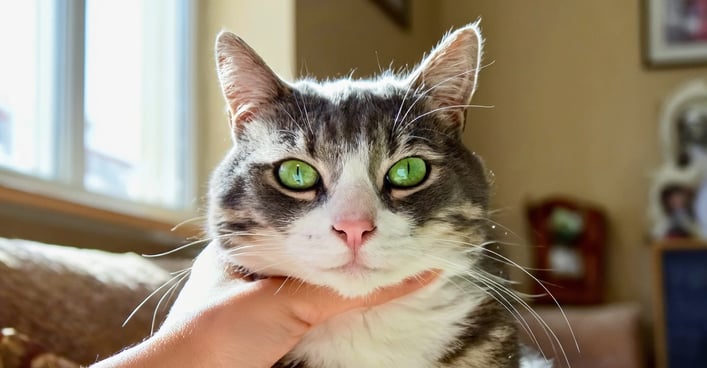
Clear, bright eyes with no cloudiness.
Equal pupil size that responds quickly to light.
Minimal tear production with no redness or discharge.
The third eyelid should not be prominently visible.
Behavioral Signs:
No squinting, pawing at the face, or excessive blinking.
Normal navigation without bumping into objects.
Ability to track moving objects (like toys or laser pointers).
Normal Discharge:
A small amount of clear tears is normal.
Slight crusting ("sleep" or rheum) at the inner corner after a nap, easily wiped away with a damp cloth.
Routine Eye Care and Cleaning
Daily Monitoring Checklist
Perform a quick visual check each day. Look for:
Clear, bright eyes.
Any unusual discharge (color or amount).
Equal and responsive pupils.
Signs of squinting or discomfort.
Pawing at the face or eyes.
When to Clean:
Noticeable crusting at the corner of the eye.
Minor debris or dust on the surrounding fur.
Visible tear staining (especially in light-colored cats).
After exposure to dusty or windy environments.
Step-by-Step Cleaning Technique
Gather Your Supplies:
A soft, clean cloth, gauze pad, or cotton ball.
Lukewarm water or sterile saline solution.
Use a separate cloth for each eye to prevent cross-contamination.
The Process:
Wash Your Hands: Always start with clean hands to prevent introducing bacteria.
Moisten the Cloth: Dampen it with warm water or saline. Wring it out thoroughly—it should be damp, not dripping.
Wipe Gently: Wipe from the inner corner of the eye outward, using a single, gentle stroke. Use a fresh section of the cloth for each wipe and avoid touching the eyeball itself.
Clean Surrounding Fur: Gently wipe away any tear stains or debris from the fur beneath the eye to prevent matting and skin irritation.
Pat Dry: Use a soft, dry cloth to gently pat the area dry. Never rub.
Recommended Frequency:
As needed for most cats when discharge is present.
Daily for brachycephalic breeds (e.g., Persians).
Weekly as a preventive measure for cats with normal eyes.
After any exposure to potential irritants.
Common Feline Eye Problems and Conditions
1. Conjunctivitis (Pink Eye)
Description: Inflammation of the conjunctiva, very common and often contagious.
Causes: Viral (feline herpesvirus), bacterial, allergies, or irritants.
Note: Costs vary significantly by location and case complexity. Pet insurance can help manage unexpected expenses.
Conclusion
Proactive cat eye care is a blend of vigilant observation, gentle hygiene, and knowing when to seek professional help. Your cat's eyes are not only windows to their soul but also vital indicators of their overall health. By incorporating simple daily checks and understanding the signs of trouble, you become your cat's first line of defense against vision loss.
Commit to this aspect of their care—from the playful curiosity of a kitten to the dignified grace of a senior cat. Your efforts ensure your feline friend can continue to explore their world with clarity, confidence, and the sharp vision that defines their extraordinary nature.
Get expert advice about cat care, behavior, nutrition, grooming, and training. Ask our AI cat care expert anything about your cat and receive professional guidance.