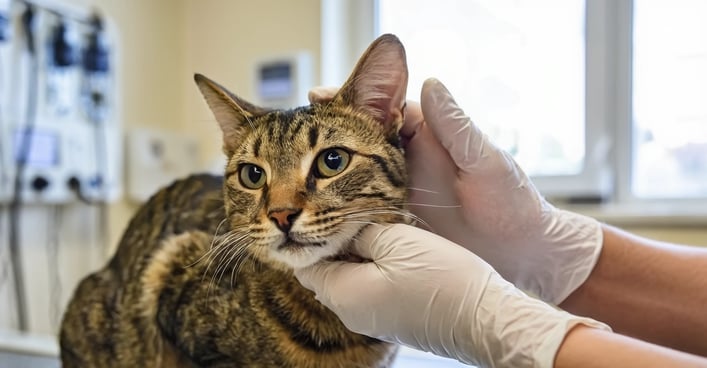
Cat Ear Infections: A Complete Guide to Causes, Treatment, and Prevention for 2026
Learn to identify, treat, and prevent painful ear infections in your cat. Our expert guide covers symptoms, veterinary care, and effective home management strategies.
Share this page
Cat Ear Infections: A Complete Guide to Causes, Treatment, and Prevention for 2026
Ear infections (otitis) are a common source of significant discomfort for cats. While less frequent than in dogs, feline ear infections often signal underlying health issues that require accurate diagnosis and targeted treatment. This comprehensive guide provides everything you need to know to identify, manage, and prevent ear infections in your feline companion.
Understanding Feline Ear Anatomy
Outer Ear (Pinna and Ear Canal)
Pinna: The visible, external ear flap.
External Ear Canal: An L-shaped canal leading to the eardrum, designed to protect the inner structures.
Ceruminous Glands: Produce ear wax (cerumen) to trap debris.
Middle Ear
Located directly behind the eardrum (tympanic membrane).
Contains small bones (ossicles) crucial for hearing.
Connected to the throat via the Eustachian tube, which helps regulate pressure.
Inner Ear
Houses the cochlea (for hearing) and the vestibular system (for balance).
Infections here can severely impact hearing, coordination, and equilibrium.
Oral Antifungals: Itraconazole for severe yeast infections.
Oral Steroids: Prednisolone to reduce severe inflammation and swelling.
4. Treatment for Specific Causes
Ear Mites: Single-dose topical parasitides (Revolution) or 7-10 day ear drop courses.
Foreign Bodies: Removal under sedation, followed by medication.
Polyps/Tumors: Surgical intervention, which may be curative.
Understanding the Cost of Treatment
Initial Visit & Basic Treatment
Service
Typical Cost Range
Veterinary Examination
$100 - $200
Ear Cytology
$30 - $60
Professional Ear Cleaning
$30 - $50
Initial Medications
$30 - $100
Estimated Total
$190 - $410
Chronic or Complex Cases
Service
Typical Cost Range
Culture & Sensitivity Test
$100 - $200
Skull X-rays
$150 - $300
CT Scan
$800 - $1,500
Polyp Removal Surgery
$800 - $2,000
Tumor Removal & Biopsy
$1,000 - $3,000+
Note: Long-term management for chronic allergies or infections can cost $500-$2,000+ annually. Pet insurance is highly recommended for such conditions.
Proactive Prevention Strategies
1. Regular Ear Maintenance
Weekly Home Checks: Look for redness, discharge, or odor. Healthy ears have minimal wax and no smell.
Gentle Cleaning Schedule:
Healthy cats: Clean every 2-4 weeks.
Allergy-prone cats: Clean weekly or as advised by your vet.
Always dry ears thoroughly after baths.
2. Consistent Parasite Prevention
Use veterinarian-recommended broad-spectrum products year-round (e.g., Revolution Plus, Bravecto).
Apply to all cats in the household to prevent mite transmission.
3. Effective Allergy Management
Work with your vet to identify triggers (food trials, environmental testing).
Implement strategies like hypoallergenic diets, HEPA filters, and regular cleaning.
Use preventive ear cleansers during allergy seasons.
4. Environmental & Lifestyle Control
Minimize ear moisture. Avoid unnecessary bathing and prevent swimming if your cat is prone to infections.
Reduce stress, which can worsen inflammation, using enrichment, routines, and products like Feliway.
Special Considerations
Chronic Ear Infections
Defined as infections lasting >3 months or recurring 3+ times per year. A thorough workup is essential:
Advanced diagnostics (culture, imaging).
Comprehensive allergy investigation.
Screening for systemic diseases (e.g., FeLV, FIV, diabetes).
Infections in Special Populations
Kittens: Primarily ear mites; treat the entire litter and queen.
Senior Cats: Higher index of suspicion for tumors or polyps; require a complete diagnostic workup.
Immunocompromised Cats: More susceptible; may need longer, more aggressive treatment protocols.
Home Care & Administration Tips
How to Give Ear Medication
Prepare: Warm drops to room temperature. Have treats ready.
Restrain Gently: Wrap your cat in a towel ("purrito" style) if needed for safety.
Administer: Hold the ear flap upright, apply the prescribed number of drops into the canal.
Massage: Gently massage the base of the ear for 30 seconds to distribute medication.
Release & Reward: Let your cat shake its head, then offer a high-value treat and praise.
Monitoring & Follow-up
Contact your vet if there's no improvement within 5-7 days or symptoms worsen.
Always schedule a recheck after finishing medication to ensure the infection is fully resolved and the eardrum is intact.
For chronic conditions, regular follow-ups (every 2-6 months) are key to long-term management.
Conclusion
Ear infections in cats are more than just a nuisance; they are painful and often a sign of an underlying problem. Successful treatment hinges on an accurate veterinary diagnosis to address the root cause—be it mites, allergies, or a polyp. By partnering with your veterinarian and committing to regular home monitoring and preventive care, you can help your cat recover comfortably and maintain healthy ears for life. Early intervention is the best strategy to prevent simple outer ear issues from progressing to serious conditions affecting hearing and balance.
Related Reading:
Ear Mites in Cats: Identification, Life Cycle, and Eradication
Feline Allergies: From Diagnosis to Long-Term Management
A Guide to Common Feline Skin Conditions and Solutions
The Ultimate Guide to Flea and Tick Prevention for Cats
Information reviewed for accuracy and updated for 2026.
Get expert advice about cat care, behavior, nutrition, grooming, and training. Ask our AI cat care expert anything about your cat and receive professional guidance.